
Budget Biotope Aquarium Setup for Realistic Habitats

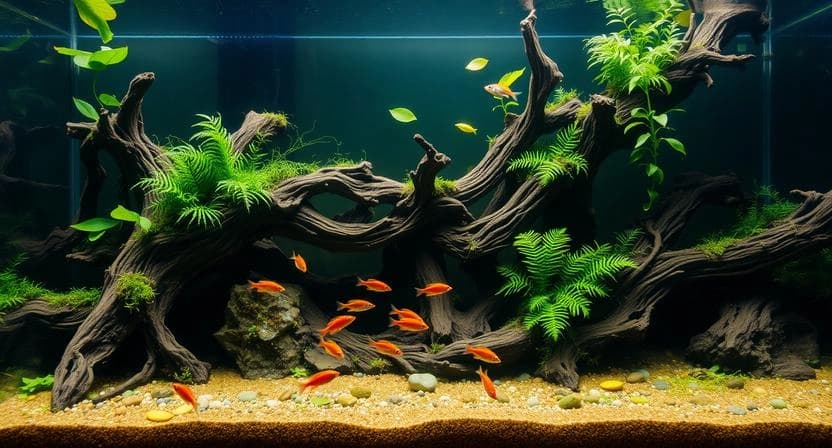
A biotope aquarium setup lets you recreate a specific natural aquatic habitat in your home, using authentic fish, plants, and decor that match a real geographic location. You can achieve impressive results even with a limited budget, focusing on careful planning, affordable materials, and low-tech approaches rather than expensive gadgets.
Many aquarists choose this path because it promotes natural fish behavior, creates a more stable ecosystem, and offers educational value about real-world environments.
With smart choices, such as sourcing local hardscape or propagating plants, you can build a stunning, low-maintenance tank that rivals high-end displays.
This guide walks you through every step of a budget-friendly biotope aquarium setup, helping you avoid common pitfalls while keeping costs down.
Whether you're drawn to the tannin-rich blackwaters of the Amazon or the rocky shallows of Southeast Asia, the principles remain the same: research deeply, prioritize compatibility, and let nature guide the design.
What is a Biotope Aquarium and Why Choose It?
A true biotope aquarium replicates a precise slice of nature, matching not just the species but also the water chemistry, substrate, and overall feel of a specific river, lake, or stream. Unlike general community tanks, every element ties back to one real location, creating harmony among inhabitants.
You might wonder how this differs from thematic setups. Thematic aquariums focus on aesthetics, mixing species from various places for visual appeal.
A biotope, however, demands accuracy, often resulting in healthier, less stressed fish that display natural behaviors like schooling or foraging.
On a limited budget, the biotope approach shines because it encourages simplicity. You skip CO2 systems, high-tech lights, and fancy substrates in favor of natural processes. This saves money while teaching patience and observation.
The rewards extend beyond savings. Watching fish thrive in conditions close to their wild origins brings a deeper connection to the hobby. Many find it more satisfying than constantly tweaking artificial elements.
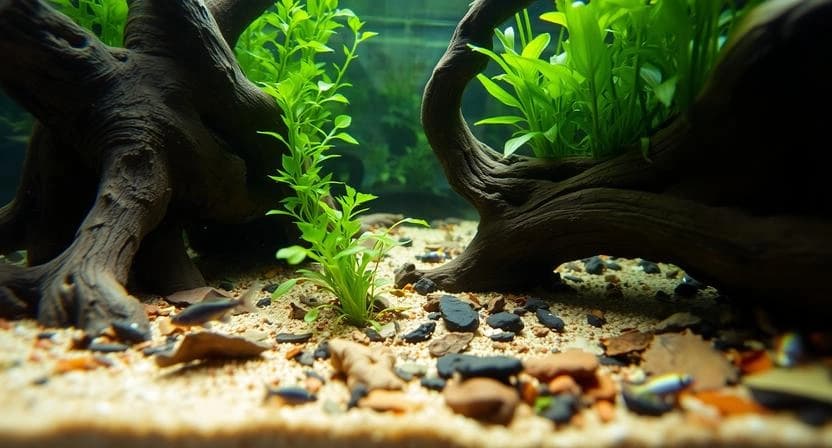
Planning Your Budget Biotope Aquarium Setup
Start by selecting a geographic region that excites you and matches your resources. Popular choices include Amazon blackwater streams for their forgiving low-light plants or Asian rice paddies for easy-to-source species.
Research thoroughly using free online resources, books from libraries, or forums. Note the target water parameters, typical inhabitants, and seasonal variations. This step prevents costly mistakes later.
Define your tank size realistically. Beginners often thrive with nano setups of 10 to 30 gallons, which are cheaper to fill, heat, and maintain. Larger tanks offer more flexibility but demand bigger investments in equipment and livestock.
Set a practical budget range, ideally between $100 and $400. Break it down: 30% for the tank and stand, 20% for equipment, 30% for substrate and decor, and the rest for plants and fish. Prioritize used items from reputable sellers to stretch your funds.
Selecting the Ideal Aquarium Size for Beginners
Nano biotopes in the 10 to 30 gallon range offer excellent starting points. They heat quickly, require less water for changes, and allow you to focus on details without overwhelming costs.
You can still create impressive depth in small spaces by using vertical hardscape and floating plants. Many realistic biotope aquarium examples fit perfectly in compact tanks, proving size isn't everything.
Medium tanks around 40 to 75 gallons suit intermediate keepers wanting more swimming room. They support larger schools but increase expenses for substrate, lighting, and filtration.
Very large biotopes become challenging on a budget due to higher costs for everything from water conditioners to maintenance time. Stick to smaller scales unless you have room and funds to spare.
Essential Equipment for a Low-Cost Biotope Aquarium
Lighting doesn't need to be extravagant. Affordable LED fixtures designed for planted tanks provide sufficient spectrum for low to medium light plants without breaking the bank.
Filtration should mimic natural flow. Sponge filters or gentle hang-on-back units work well, keeping water clear while avoiding strong currents that disrupt the natural feel.
Heating remains straightforward. Reliable submersible heaters with thermostats maintain stable temperatures affordably. Choose one rated slightly higher than your tank size for safety.
Temperature control pairs with basic timers if you want day-night cycles. Skip advanced controllers; simple setups suffice for most biotope environments.
Creating a Realistic Biotope Aquarium Setup on a Budget
Substrate forms the foundation. Fine sand or soil topped with leaf litter costs little and looks authentic, especially in blackwater styles.
Hardscape materials can come from nature. Collect safe driftwood or rocks locally after proper preparation, saving significantly compared to commercial pieces.
Backgrounds enhance depth. Paint the back glass black or use affordable photo prints of natural scenes to create immersion without expensive 3D options.
Layer elements gradually. Add substrate first, then hardscape, followed by plants. This method prevents mess and lets you adjust as you go.
Best Budget Plants for Authentic Biotope Environments
For Amazonian biotopes, easy low-tech plants like Java fern, Anubias, and Amazon swords thrive under basic lighting and help stabilize the tank.
Asian and African setups benefit from hardy options such as Cryptocoryne species or Vallisneria. These adapt well and propagate easily.
Propagation saves money long-term. Cuttings from Java fern or Anubias rhizomes root quickly, turning a few starters into lush coverage.
Floating plants like frogbit or water sprite add shade and realism while being inexpensive and fast-growing.
Choosing Fish and Invertebrates for Your Biotope
Small, peaceful species fit nano budgets perfectly. Neon tetras, rasboras, or ember tetras school beautifully and stay affordable.
Regional-appropriate fish often appear at low prices in local stores. Focus on captive-bred specimens for better health and ethics.
Cleanup crew members like nerite snails or cherry shrimp cost almost nothing yet maintain the tank naturally by eating algae and detritus.
Always match fish to your chosen biotope's parameters and behavior to ensure long-term success.
Water Parameters and Maintenance for Long-term Success
Achieve natural chemistry affordably with RO water mixed with tap, plus natural additives like driftwood for tannins.
Follow a simple weekly routine: 20-30% water changes, siphon debris, and monitor parameters with basic test kits.
Low-cost testing strips or drop kits provide accurate readings without fancy electronics.
Adjustments stay minimal when you choose forgiving biotopes and avoid overstocking.
Common Mistakes to Avoid in Budget Biotope Aquarium Setup
Mixing species from different regions disrupts authenticity and often causes stress or aggression.
Overspending on unnecessary equipment like high-powered filters wastes money when low-flow options suffice.
Patience during maturation proves crucial. Rushing stocking leads to crashes; allow the tank to cycle fully.
Ignoring research on compatibility can result in lost fish and frustration.
Final Tips to Make Your Biotope Look Professional on a Budget
Source materials locally, propagate plants, and observe natural references for inspiration. Small touches like leaf litter or subtle tannins elevate the look dramatically.
A well-executed budget biotope aquarium setup proves that realism comes from thoughtful choices, not big spending. You create something truly special that reflects nature's elegance.
Now it's your turn. Share your own low budget biotope experiences in the comments, or tell us which region inspires you most. Your story might help another aquarist start their journey!