
Can fish sleep with the aquarium light on?

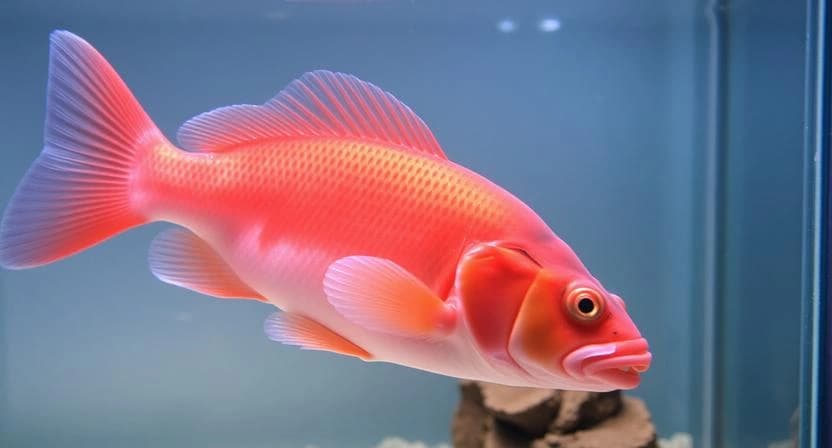
Can fish sleep with the aquarium light on? No, fish cannot sleep properly with the aquarium light on because they need darkness to rest and maintain healthy sleep cycles.
Just like many other animals, fish require periods of darkness to enter their rest state and recover from daily activities. Understanding how fish sleep is essential for creating a healthy environment in your home aquarium.
Many aquarium owners wonder whether their fish need complete darkness to rest or if keeping lights on constantly might harm their aquatic pets. The answer lies in understanding the natural behaviors and biological needs of fish in their native habitats.
Fish have evolved over millions of years to respond to natural light cycles, and disrupting these patterns can lead to stress and health problems.
Providing the right lighting schedule is one of the most important aspects of fish care that beginners often overlook. By learning about fish sleep patterns and the role of light in their daily lives, you can create an environment that supports their health and wellbeing.
This knowledge will help you make informed decisions about your aquarium lighting setup.
Do Fish Actually Sleep?
Fish do sleep, but their sleep looks very different from the sleep experienced by mammals like humans. Most fish don't have eyelids, so they sleep with their eyes open, which can make it difficult for observers to tell when they're resting.
During sleep, fish enter a state of reduced activity where their metabolism slows down and they become less responsive to their surroundings.
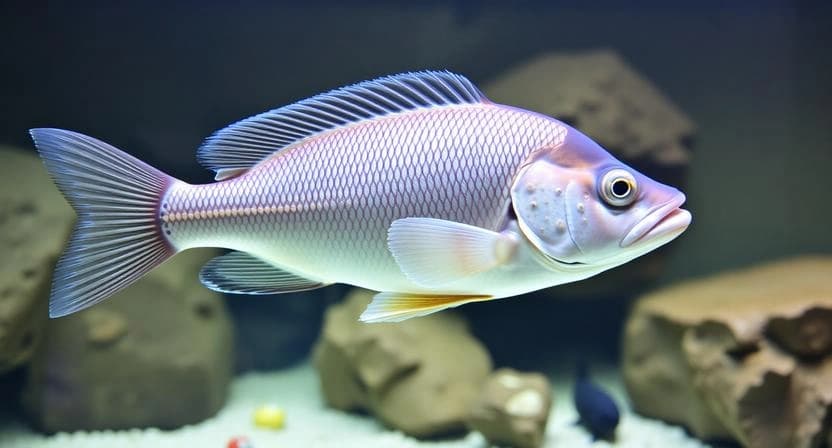
The sleep state in fish is characterized by specific behaviors and physical changes. When resting, many fish will find a safe spot in the aquarium, such as behind decorations, near the bottom, or among plants.
Their breathing rate typically slows down, and their body movements become minimal or cease entirely. Some species may even change color slightly or tilt at an angle while sleeping.
Research has shown that fish experience something similar to sleep cycles, though the exact nature of these cycles varies among different species.
Scientists have observed that fish deprived of rest show signs of sleep debt and will compensate by resting more when given the opportunity. This evidence confirms that sleep serves important biological functions for fish, just as it does for other animals.
The amount of sleep fish need varies depending on their species, age, and environmental conditions. Some fish are more active during the day and rest at night, while others are nocturnal and do the opposite.
Understanding your specific fish species' natural patterns will help you provide appropriate lighting conditions.
What fish sleep looks like
When fish sleep, they typically remain relatively still in one location, though some movement may occur to maintain position in the water. You might notice your fish hovering in place, resting on the substrate, or wedging themselves into corners or decorations.
This reduced activity is the most obvious sign that your fish has entered a rest state.
Different fish species display unique sleeping behaviors. Bottom-dwelling fish like catfish often settle on the substrate and may appear to be lying down. Some fish, such as parrotfish, produce a mucus cocoon around themselves for protection while sleeping.
Certain species of wrasses bury themselves in the sand to rest safely away from potential predators.
Differences between fish sleep and human sleep
Fish sleep differs significantly from mammalian sleep in several important ways. Unlike humans, fish don't have a neocortex, the part of the brain associated with complex sleep stages in mammals.
Fish don't experience REM (rapid eye movement) sleep or the deep sleep stages that humans go through during their rest periods.
Another major difference is that fish maintain some level of awareness during sleep. While their responsiveness decreases, they can still react to sudden threats or changes in their environment.
This lighter form of sleep allows fish to escape from predators quickly if needed, which is crucial for survival in the wild.
Fish also don't require the same consolidated sleep periods that humans need. Instead of sleeping for several hours continuously, some fish take short rest periods throughout the day and night. This polyphasic sleep pattern allows them to remain alert to opportunities for feeding and potential dangers.
How different species rest
Tropical freshwater fish, such as tetras and guppies, generally rest during nighttime hours when the natural light fades. These species come from environments with consistent day-night cycles and have adapted to be most active during daylight hours. Providing them with a regular light schedule mimics their natural habitat conditions.
Nocturnal fish species, including many catfish and some loaches, become active when darkness falls and rest during the day. These fish have specialized adaptations such as enhanced sensory organs that help them navigate and find food in low-light conditions. They require daytime darkness or subdued lighting to rest properly.
Saltwater fish display equally diverse sleep patterns depending on their natural habitats. Reef fish often seek shelter in crevices or coral formations at night, while open-water species may find protected areas or simply reduce their activity level. Understanding the specific needs of your fish species is essential for providing appropriate care.
The Role of Light in Fish Biology
Light plays a fundamental role in regulating various biological processes in fish, from metabolism to reproduction. Fish have evolved to respond to natural light cycles, which influence their feeding behavior, activity levels, and overall health.
The presence or absence of light triggers hormonal changes that affect nearly every aspect of fish physiology.
Fish eyes are adapted to detect light wavelengths present in their natural environments. The photoreceptors in their eyes send signals to the brain that help regulate their internal biological clock.
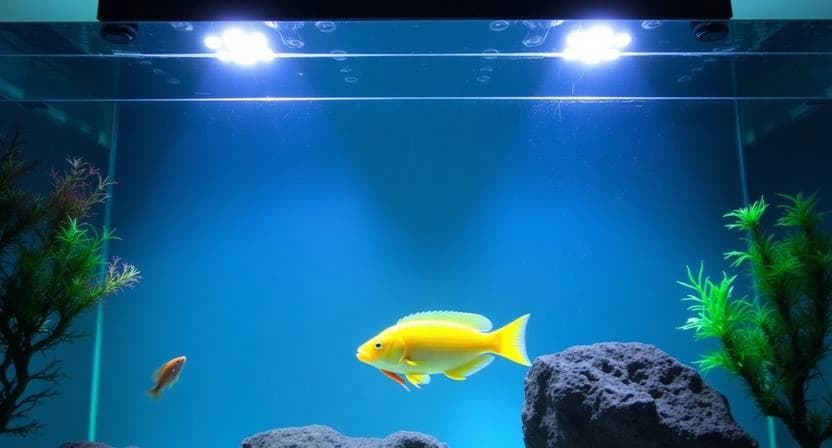
This connection between light perception and internal regulation makes lighting one of the most critical environmental factors in aquarium keeping.
Proper lighting supports important processes like vitamin synthesis, immune function, and growth. Many fish species require exposure to light to produce vitamin D and maintain healthy bone development. However, the intensity and duration of light exposure must match the needs of your specific fish species to avoid negative effects.
The quality of light, including its color spectrum, also matters for fish health. Different wavelengths penetrate water to varying depths in natural environments, and fish have adapted to the specific light conditions of their native habitats.
Replicating these conditions as closely as possible in your aquarium promotes natural behaviors and reduces stress.
Natural light cycles in aquatic environments
In natural aquatic environments, light availability changes predictably throughout the day following the sun's movement. Fish living near the equator experience roughly 12 hours of light and 12 hours of darkness year-round, with minimal seasonal variation. Species from these regions have evolved to expect consistent day-night cycles.
Fish from temperate regions experience seasonal changes in day length, with longer days in summer and shorter days in winter. These variations trigger important biological events such as spawning, migration, and seasonal color changes.
Some aquarium enthusiasts adjust their lighting schedules seasonally to mimic these natural patterns for certain species.
The depth at which fish live also determines their light exposure. Shallow-water species receive intense, direct sunlight, while deep-water fish experience dimmer, more diffused light. Understanding your fish's natural depth range helps you choose appropriate lighting intensity for your aquarium.
How fish perceive light and darkness
Fish perceive light through specialized photoreceptor cells in their eyes, similar to other vertebrates. However, many fish species can detect light wavelengths beyond the range visible to humans, including some ultraviolet wavelengths.
This enhanced vision helps them see patterns on other fish and find food that might be invisible to the human eye.
The pineal gland in fish, often called the "third eye," also plays a role in light detection. This small organ near the brain detects changes in ambient light levels and helps regulate circadian rhythms. Even fish with limited vision can sense light through this organ, making darkness essential for proper rest.
Fish respond to changes in light intensity throughout the day, using these cues to time their activities. The gradual increase in light at dawn and decrease at dusk signal feeding times, breeding periods, and rest phases. Sudden changes in lighting can startle fish and cause stress, which is why gradual transitions are recommended.
The circadian rhythm in fish
Fish possess internal biological clocks that regulate their daily cycles of activity and rest, known as circadian rhythms. These rhythms are synchronized by external cues, primarily the light-dark cycle in their environment.
Even in constant lighting conditions, fish maintain some level of rhythmic behavior, though it may become irregular without proper light cues.
The circadian system in fish controls numerous physiological processes including hormone production, feeding behavior, and metabolic rate. Disrupting these rhythms through inconsistent or inappropriate lighting can lead to health problems over time.
Fish experiencing circadian disruption may show reduced growth, weakened immune responses, and abnormal behaviors.
Maintaining a consistent light schedule helps keep your fish's circadian rhythms synchronized and healthy. Your fish will anticipate feeding times, rest periods, and activity phases when they experience regular day-night cycles. This predictability reduces stress and supports overall wellbeing in captive fish populations.
Can Fish Sleep with the Aquarium Light On?
Fish cannot achieve proper rest when aquarium lights remain on constantly. While some fish may appear to rest under bright conditions, they cannot enter the deeper rest states necessary for full recovery.
The continuous light exposure prevents the biological processes that normally occur during dark periods, affecting their health over time.
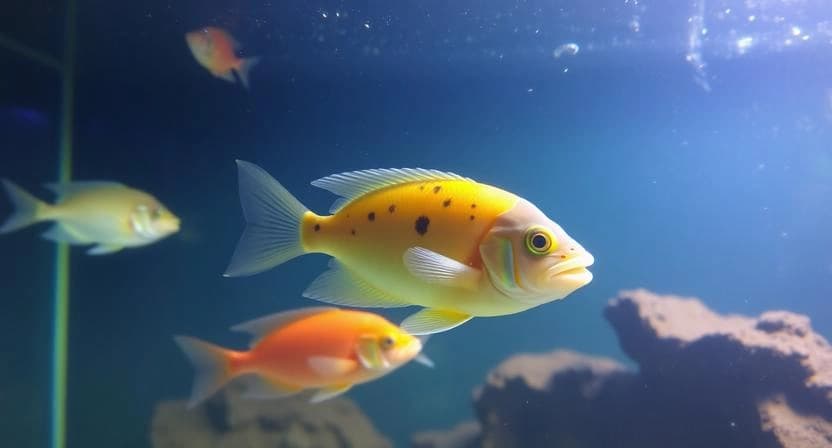
Different fish species show varying levels of tolerance to light during rest periods, but none truly sleep well under bright lighting. Diurnal fish that are active during the day need darkness to signal rest time, while nocturnal species need darkness to become active and then require dim conditions to rest during daylight hours. Both types suffer when appropriate lighting cycles are absent.
Some fish may appear to adapt to constant light by finding darker areas in the aquarium, such as caves or dense plant cover. However, this behavior indicates stress rather than successful adaptation.
Fish seeking out these hiding spots are attempting to create the dark conditions they need for rest, suggesting that the lighting situation is inadequate.
The physiological need for darkness in fish is supported by scientific research. Studies have shown that fish exposed to constant light experience disrupted hormone production, particularly melatonin, which regulates sleep cycles.
Without proper darkness, fish cannot produce adequate melatonin, leading to rest deprivation and associated health problems.
Effects of Constant Light Exposure on Fish
Constant light exposure creates chronic stress for aquarium fish, leading to numerous health and behavioral problems. When fish cannot escape light to rest properly, their bodies remain in a heightened state of alertness that depletes energy reserves.
Over time, this chronic stress weakens their immune systems and makes them more susceptible to diseases and infections.
The lack of proper rest periods affects fish metabolism and growth patterns. Young fish especially need adequate rest to support their rapid development, and constant lighting can stunt their growth. Adult fish may experience weight loss, reduced reproductive capability, and shortened lifespans when deprived of darkness for extended periods.
Fish exposed to inappropriate lighting often develop abnormal stress responses. Their cortisol levels, a hormone associated with stress, remain elevated rather than following natural daily patterns. These hormonal imbalances can trigger a cascade of health issues affecting digestion, wound healing, and overall vitality.
Color changes may also occur in fish kept under constant light. Some species lose their vibrant colors or develop unusual pigmentation patterns. These visible changes often indicate deeper physiological problems related to stress and disrupted biological rhythms.
Stress and health impacts
Chronic stress from constant light exposure compromises the immune function of fish, making them vulnerable to bacterial, fungal, and parasitic infections. Stressed fish produce excess mucus, breathe more rapidly, and show increased susceptibility to common aquarium diseases. The relationship between stress and disease is well-established in fish health research.
Behavioral signs of stress include excessive hiding, reduced appetite, aggressive behavior toward tank mates, and lethargy during normally active periods. Fish may also engage in repetitive movements like pacing or glass surfing, indicating psychological distress.
These behaviors signal that the fish's environment does not meet their basic needs.
Physical health problems resulting from light stress include fin damage, scale loss, and eye problems. Some fish develop damaged fins from excessive activity or scratching against aquarium decorations. The constant stimulation prevents normal healing processes, allowing minor injuries to become serious health issues.
Disrupted sleep cycles
When fish cannot follow natural sleep cycles, their entire daily routine becomes disrupted. Feeding behavior may become erratic, with fish either overeating during available feeding times or showing reduced interest in food.
These changes in eating patterns can lead to nutritional imbalances and digestive problems over time.
Reproductive behaviors are particularly sensitive to lighting disruptions. Many fish species require specific light cues to trigger spawning behavior, and constant lighting can prevent successful breeding. Even species that do spawn under improper lighting may produce fewer eggs or show reduced parental care behaviors.
Social interactions among fish can deteriorate under constant lighting stress. Normally peaceful fish may become aggressive, while social species might isolate themselves from their groups. These behavioral changes indicate that the fish's stress levels are affecting their normal social functioning.
Behavioral changes in fish
Fish kept under constant light often display hyperactive behavior, swimming erratically and showing signs of anxiety. This excessive activity burns energy unnecessarily and prevents the fish from resting adequately. You might notice your fish constantly moving around the tank rather than settling into rest positions.
Alternatively, some fish respond to light stress by becoming withdrawn and lethargic. They may hide constantly, refuse to come out during feeding times, and show little interest in their surroundings. This depressed behavior indicates that the fish has given up trying to cope with the inappropriate lighting conditions.
Changes in schooling behavior occur in species that normally swim in groups. Individual fish may separate from their schools or the entire group may become disorganized. These social disruptions add additional stress to already compromised fish populations.
How Long Should Aquarium Lights Stay On?
Most aquarium fish thrive with approximately 8 to 12 hours of light per day, depending on their species and natural habitat. This duration mimics the natural day length in many tropical and subtropical regions where popular aquarium fish originate. Providing this amount of light supports normal activity patterns while ensuring adequate darkness for rest.
The specific lighting duration should match the needs of your particular fish species. Research the natural habitat of your fish to determine whether they come from regions with consistent 12-hour days or areas with seasonal variation.
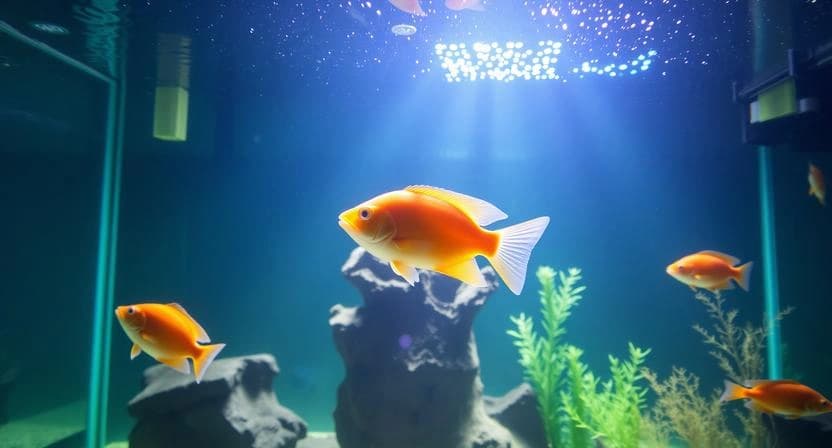
Matching the photoperiod to their natural environment promotes healthy behaviors and reduces stress.
Planted aquariums often require slightly longer lighting periods, typically 10 to 12 hours, to support photosynthesis in aquatic plants. However, you must balance plant lighting needs with fish requirements.
If your fish come from shaded forest streams, they may need lower light intensity even if the duration is extended for plant growth.
Consistency matters more than the exact number of hours. Fish benefit from receiving light at the same times each day, allowing their internal clocks to synchronize with the predictable schedule. Random lighting times confuse their circadian rhythms and prevent them from establishing healthy daily patterns.
Creating the Ideal Light Schedule for Your Aquarium
Establishing a proper lighting schedule begins with understanding your fish species' natural environment and daily activity patterns. Start by researching whether your fish are diurnal, nocturnal, or crepuscular, meaning most active during dawn and dusk. This information guides your decisions about when lights should be on and off.
Consider the location of your aquarium when planning your lighting schedule. Tanks placed near windows receive natural light that affects the total light exposure your fish experience. You may need to account for this ambient light when programming your artificial lighting system to avoid excessive overall brightness.
Gradual transitions between light and dark periods benefit fish more than sudden changes. If possible, use dimmable lights or multiple light stages to simulate dawn and dusk.
These gentle transitions allow fish to adjust their activity levels naturally rather than being startled by abrupt changes in brightness.
The lighting schedule should fit your daily routine while meeting your fish's needs. Most aquarium owners prefer having lights on during evening hours when they can observe their fish.
However, ensure this schedule still provides adequate darkness during your fish's natural rest periods, even if it means lights are off during parts of the day when you're home.
Recommended light duration for different fish types
Tropical community fish including tetras, rasboras, and livebearers generally do well with 10 to 12 hours of light daily. These species come from equatorial regions with consistent day lengths and active daytime behaviors. Providing this duration supports their natural activity patterns and allows adequate rest time.
Goldfish and other coldwater species typically thrive with 8 to 10 hours of light per day. In their natural environments, these fish experience seasonal variations in day length, but moderate, consistent lighting works well in aquarium settings.
Avoid extremely long light periods that might promote excessive algae growth in their tanks.
Nocturnal species like many catfish require lighting that accommodates their reversed schedules. Provide 8 to 10 hours of darkness during your daytime hours, allowing these fish to rest. When you want to observe them, use subdued lighting or special blue "moonlight" LEDs that allow you to see without disturbing their activities.
Using timers for consistency
Automatic timers eliminate the guesswork from aquarium lighting and ensure your fish receive consistent light cycles. Digital timers allow you to program exact on and off times, creating reliable schedules that maintain your fish's circadian rhythms. This consistency is especially valuable if your daily schedule varies.
When selecting a timer, choose models rated for the electrical load of your aquarium lights. Basic mechanical timers work well for simple setups, while digital timers offer more programming options for complex lighting systems. Some advanced controllers can manage multiple light channels and create gradual transitions.
Program your timer to turn lights on and off at the same times every day, including weekends. Fish cannot distinguish between weekdays and weekends, and changing their light schedule disrupts their biological rhythms. Consistency throughout the week maintains the stable environment that promotes fish health.
Simulating natural day-night cycles
Advanced aquarium lighting systems can replicate the natural progression of sunlight throughout the day. These systems gradually increase light intensity in the morning, maintain bright conditions during midday, and slowly dim in the evening. This simulation closely matches the lighting patterns fish experience in nature.
Color temperature changes throughout the day enhance the natural simulation. Morning and evening light can include more red and orange wavelengths, while midday lighting emphasizes cooler blue and white wavelengths. These subtle variations create a more dynamic environment that stimulates natural fish behaviors.
Some aquarists add a brief moonlight phase using blue or dim white LEDs that activate after the main lights turn off. This low-intensity lighting mimics moonlight in natural environments and can be particularly beneficial for nocturnal species. However, ensure the moonlight phase doesn't extend the total light exposure beyond appropriate levels.
Signs Your Fish Aren't Getting Enough Rest
Fish deprived of adequate rest display several observable warning signs that alert attentive aquarium keepers to problems. One common indicator is erratic swimming patterns, where fish move frantically around the tank or constantly pace along the glass. This hyperactivity suggests the fish cannot settle into restful states.
Loss of appetite often accompanies sleep deprivation in fish. When fish don't rest properly, their digestive systems don't function optimally, leading to reduced interest in food. You may notice your fish ignoring feeding times or eating much less than usual, even when offered their favorite foods.
Color fading or darkening can indicate chronic stress from inadequate rest. Many fish species display their most vibrant colors when healthy and properly rested. If your fish appear dull, washed out, or develop dark stress bars, lighting issues may be contributing to their poor condition.
Aggressive behavior sometimes increases in fish that aren't getting enough rest. Normally peaceful species may begin chasing tank mates, nipping fins, or defending territories more vigorously than usual. This irritability mirrors the mood changes humans experience when sleep-deprived.
Common Mistakes Aquarium Owners Make with Lighting
One frequent mistake is leaving aquarium lights on 24 hours a day because owners believe fish need constant light to see or feel secure. This misunderstanding leads to severe health problems for fish and creates ideal conditions for excessive algae growth. Fish actually need darkness to rest and maintain healthy biological rhythms.
Another common error involves placing aquariums in locations with excessive natural light exposure. Windows may seem like ideal spots for showcasing your aquarium, but direct sunlight combined with artificial lighting creates too much total light. This overexposure stresses fish and promotes rapid algae growth that degrades water quality.
Some aquarium owners use lighting durations based on their personal schedules rather than fish needs. Keeping lights on late into the night so you can view your fish disrupts their natural rest periods. While it's understandable to want to enjoy your aquarium during evening hours, you must balance this desire with your fish's biological requirements.
Inconsistent lighting schedules represent another widespread problem. Turning lights on and off at random times confuses fish circadian rhythms and prevents them from establishing healthy daily patterns. Without the predictability of regular light cycles, fish experience ongoing stress that accumulates over time.
Best Practices for Aquarium Lighting and Fish Sleep
Creating a healthy aquarium environment requires understanding that fish need regular periods of darkness to sleep and maintain their biological health.
Can fish sleep with the aquarium light on? The clear answer is no, they cannot rest properly under continuous lighting conditions. By providing appropriate light cycles that match your fish's natural patterns, you ensure they can engage in essential rest behaviors.
Implementing a consistent lighting schedule using automatic timers removes the possibility of human error and gives your fish the predictable environment they need.
Research your specific fish species to determine their natural habitat conditions and adjust your lighting accordingly. Whether you keep tropical community fish, coldwater species, or nocturnal bottom dwellers, matching their lighting needs promotes better health outcomes.
Pay attention to the signs your fish display and adjust your lighting practices based on their behavior. Healthy, well-rested fish show vibrant colors, normal appetite, appropriate activity levels, and peaceful social interactions.
When you notice concerning changes in these indicators, evaluate your lighting setup as a potential contributing factor. Taking time to optimize your aquarium lighting benefits both your fish's wellbeing and your enjoyment of this rewarding hobby.