
How Long Does It Take to Cycle a New Aquarium

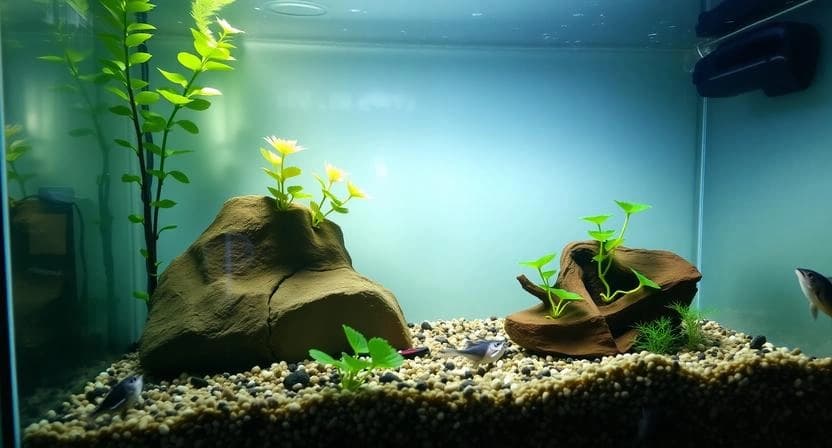
Understanding aquarium cycle time is essential before adding fish to your new tank. A new aquarium typically takes 4 to 6 weeks to fully cycle, though this timeline can vary based on several factors including temperature, bacteria source, and tank setup.
During this period, beneficial bacteria colonize your filter media and substrate to break down harmful ammonia and nitrite into safer nitrate.
Starting a new aquarium requires patience as nature establishes the biological foundation your fish need to survive. The cycling process creates a stable ecosystem where waste products are continuously converted into less harmful substances.
Rushing this process or skipping it entirely puts your fish at serious risk of illness or death from toxic water conditions.
Many beginners underestimate how critical proper cycling is to long-term aquarium success. Learning about the nitrogen cycle, testing procedures, and cycling methods helps you create a healthy environment from the start.
This guide explains everything you need to know about aquarium cycle time and how to ensure your tank is ready for fish.
What Is Aquarium Cycling and Why Is It Important
Aquarium cycling refers to the process of establishing beneficial bacteria colonies that convert toxic fish waste into less harmful compounds. When fish produce waste through respiration and excretion, ammonia enters the water as a byproduct.
Without beneficial bacteria to process this ammonia, it quickly reaches lethal concentrations that burn fish gills and damage internal organs.
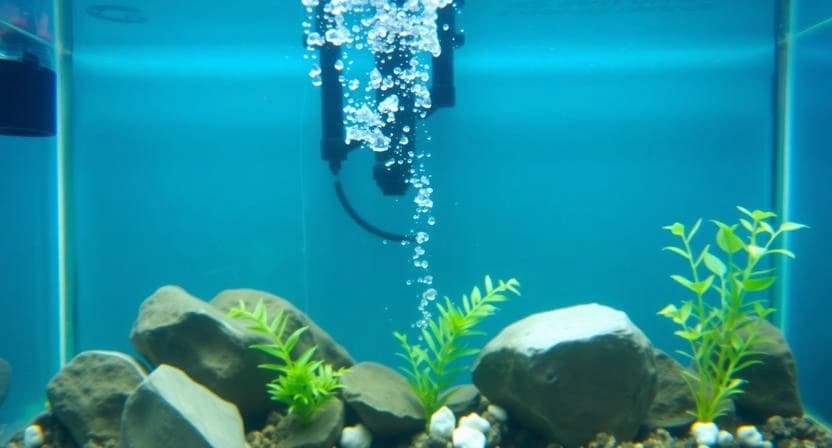
The cycling process is not optional for successful fishkeeping. It represents the foundation of your aquarium's biological filtration system. This natural system works continuously to detoxify the water, allowing fish to thrive in an enclosed environment that would otherwise become toxic within days.
Understanding why cycling matters helps you appreciate the time investment required. A properly cycled tank maintains stable water chemistry with minimal intervention.
An uncycled tank requires constant water changes and still exposes fish to dangerous conditions. The few weeks spent cycling your aquarium prevent months of problems and save fish lives.
The Role of Beneficial Bacteria
Beneficial bacteria are microscopic organisms that colonize surfaces throughout your aquarium, particularly in filter media and substrate. Two primary types of bacteria handle different stages of waste breakdown. Nitrosomonas bacteria convert ammonia into nitrite, while Nitrobacter bacteria convert nitrite into nitrate.
These bacteria need time to reproduce and establish sufficient populations to handle your tank's bioload. They grow on every surface in your aquarium but concentrate in areas with high water flow and oxygen levels.
Your filter provides the ideal environment for bacterial colonization because water constantly flows through the media, delivering both oxygen and ammonia.
The bacteria work automatically once established, requiring no feeding or maintenance beyond preserving their habitat. They reproduce as needed to match the bioload in your tank. Higher fish populations support larger bacterial colonies, while smaller populations maintain smaller colonies.
Understanding the Nitrogen Cycle in Aquariums
The nitrogen cycle is a three-stage process that transforms toxic ammonia into relatively harmless nitrate. Stage one begins when fish waste, uneaten food, and decaying matter release ammonia into the water. Ammonia is highly toxic even at low concentrations and can quickly harm or kill fish.
During stage two, Nitrosomonas bacteria consume ammonia and produce nitrite as a waste product. Nitrite is also toxic to fish, interfering with their ability to absorb oxygen from water. Many beginners celebrate when ammonia drops to zero without realizing their fish now face nitrite poisoning instead.
Stage three completes the cycle when Nitrobacter bacteria convert nitrite into nitrate. Nitrate is much less toxic than ammonia or nitrite and only causes problems at very high concentrations.
Regular partial water changes remove accumulated nitrate and keep levels safe for fish. This completed cycle runs continuously once established, processing waste as it appears.
Risks of Adding Fish to an Uncycled Tank
Adding fish to an uncycled aquarium exposes them to ammonia poisoning within hours or days. Ammonia burns fish gills, causing visible redness and labored breathing. Fish in ammonia-contaminated water often gasp at the surface, refuse food, and show clamped fins as early stress indicators.
Even if fish survive the initial ammonia spike, they then face nitrite poisoning as the first bacterial colony develops. Nitrite prevents hemoglobin from carrying oxygen, essentially suffocating fish even in well-oxygenated water. Fish affected by nitrite exhibit lethargy, rapid breathing, and brown or purple gills.
The stress from these toxic conditions weakens fish immune systems, making them vulnerable to diseases that healthy fish easily resist.
Many fish that survive uncycled tanks suffer permanent organ damage and shortened lifespans. The few weeks invested in proper cycling prevents this suffering and gives your fish the best chance at long, healthy lives.
Understanding Aquarium Cycle Time: The Complete Timeline
The complete aquarium cycling timeline typically spans 4 to 6 weeks under normal conditions. This duration allows sufficient time for both beneficial bacteria colonies to establish and stabilize. The process cannot be rushed without risking incomplete colonization that fails when you add fish.
Week one usually shows little activity as ammonia begins accumulating in the water. Nitrosomonas bacteria start colonizing surfaces, but their numbers remain too small to significantly impact ammonia levels.
You may not see measurable changes in water parameters during this initial establishment phase.
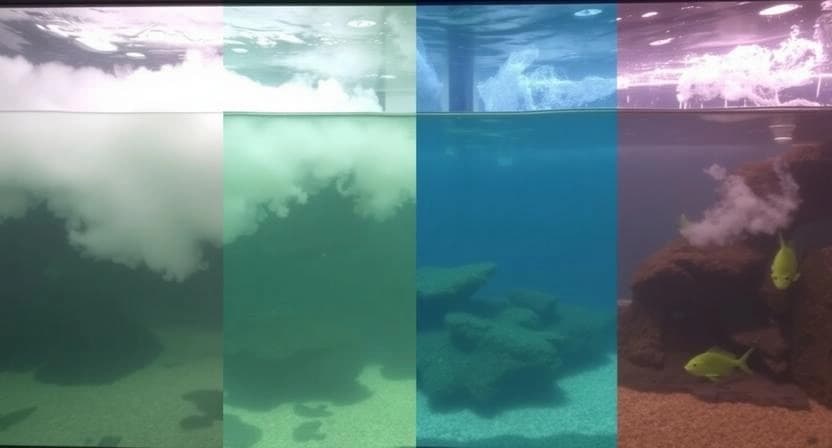
Weeks two and three bring visible progress as the first bacterial colony multiplies rapidly. Ammonia levels begin dropping as nitrite levels rise correspondingly.
The middle phase often shows the highest nitrite concentrations as the second bacterial colony develops more slowly than the first.
Weeks four through six complete the cycle as Nitrobacter populations catch up to processing capacity. Nitrite levels drop to zero while nitrate accumulates as the final product. Once both ammonia and nitrite read zero for several consecutive days, your tank has completed the cycling process and can support fish.
Typical Duration for a Full Cycle
Most aquariums complete the full nitrogen cycle in 4 to 6 weeks when using standard fishless cycling methods. This timeframe assumes room temperature water, a pure ammonia source, and no bacterial supplements. Variations in these factors can extend or shorten the process by one or two weeks.
Faster cycles of 2 to 3 weeks are possible when using established filter media or substrate from a mature aquarium. These materials contain existing bacterial colonies that immediately begin processing ammonia.
Adding commercial bacterial supplements may also reduce cycling time, though results vary by product quality and storage conditions.
Slower cycles extending 8 weeks or longer typically result from problematic conditions. Low temperatures, pH extremes, or chlorinated water can severely inhibit bacterial growth. Insufficient ammonia, over-cleaning filter media, or using antibacterial treatments also delay the process significantly.
Factors That Influence Cycling Speed
Water temperature directly affects bacterial reproduction rates and metabolic activity. Bacteria multiply fastest at temperatures between 75 and 80 degrees Fahrenheit.
Cooler temperatures below 70 degrees can double the cycling time, while temperatures above 85 degrees may stress beneficial bacteria.
The ammonia source and concentration impact how quickly bacteria colonize. Pure ammonia at 2 to 4 parts per million provides optimal conditions for bacterial growth. Too little ammonia starves developing colonies, while excessive ammonia can actually inhibit bacterial reproduction.
Oxygen levels determine how effectively bacteria can process nitrogen compounds. Well-oxygenated water supports rapid bacterial metabolism and reproduction. Stagnant water or inadequate filtration slows the cycle by limiting oxygen delivery to bacterial colonies.
Signs Your Tank Is Fully Cycled
A fully cycled tank consistently shows zero ammonia and zero nitrite readings while displaying measurable nitrate. These readings must remain stable for at least three to five consecutive days of testing. Single zero readings do not confirm completion because levels fluctuate during the late cycling stages.
Nitrate accumulation provides additional confirmation that the complete nitrogen cycle is functioning. Nitrate levels should gradually increase over time in a cycled tank without water changes. If nitrate remains at zero while ammonia and nitrite also read zero, the cycle may not be complete.
Your tank maintains stable readings even after adding small amounts of ammonia to test the system. A truly cycled aquarium processes 2 parts per million of ammonia to nitrate within 24 hours. This test confirms your bacterial colonies can handle typical fish waste loads.
The Different Stages of the Nitrogen Cycle
The first stage begins when ammonia enters the aquarium from any organic source. During cycling, you add ammonia manually or through decomposing matter. Fish waste, decaying plants, and uneaten food all release ammonia in established tanks. This stage shows rising ammonia levels with no corresponding changes to nitrite or nitrate.
Stage two starts when Nitrosomonas bacteria populations grow large enough to impact ammonia concentrations. You will see ammonia levels begin falling as nitrite levels rise simultaneously.
The ammonia drop signals that the first bacterial colony is establishing successfully. Nitrite typically spikes higher than the initial ammonia concentration during this phase.
The transition to stage three occurs when Nitrobacter bacteria colonies mature sufficiently to process nitrite. Nitrite levels peak and then begin declining as nitrate starts accumulating. This stage often takes longer than stage two because Nitrobacter bacteria reproduce more slowly than Nitrosomonas bacteria.
The final stabilization phase sees both ammonia and nitrite drop to undetectable levels while nitrate continues accumulating.
This marks the completion of the nitrogen cycle. Your bacterial colonies have reached sufficient size to process incoming ammonia immediately, preventing any measurable accumulation. The system now maintains itself automatically as bacteria populations adjust to match the bioload.
Fishless Cycling vs. Fish-In Cycling Methods
Fishless cycling and fish-in cycling represent two fundamentally different approaches to establishing beneficial bacteria. Fishless cycling uses an external ammonia source to feed bacteria without exposing any fish to toxic conditions.
Fish-in cycling relies on fish waste to provide ammonia while subjecting those fish to potentially harmful water chemistry.
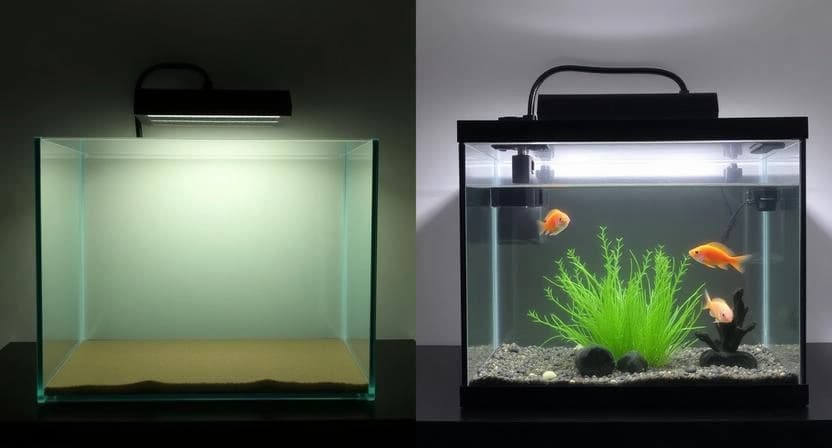
The choice between methods affects both cycling time and fish welfare. Fishless cycling allows you to maintain optimal conditions for bacterial growth without worrying about fish health.
Fish-in cycling requires constant monitoring and frequent water changes to prevent ammonia poisoning during the establishment phase.
Many experienced aquarists exclusively use fishless cycling for ethical reasons and practical advantages. The method provides better control over ammonia concentrations and eliminates the stress, illness, and potential death associated with fish-in cycling. However, fish-in cycling remains common among beginners who are unaware of fishless alternatives.
How Fishless Cycling Works
Fishless cycling begins with adding pure ammonia to your empty aquarium to reach 2 to 4 parts per million.
You dose ammonia daily or as needed to maintain this concentration while bacteria colonies develop. This method provides optimal conditions for bacterial growth without harming any living creatures.
You monitor water parameters every one to two days, watching for ammonia to drop and nitrite to rise. When ammonia processes to zero within 24 hours, you continue dosing while waiting for nitrite to drop. The cycle completes when both ammonia and nitrite reach zero within 24 hours of dosing.
Fishless cycling typically takes 4 to 6 weeks but allows precise control over the process. You can maintain ideal temperature, pH, and ammonia levels throughout the cycle. Once complete, you can add fish immediately to a fully established biological filter.
Fish-In Cycling: Process and Considerations
Fish-in cycling starts with adding a small number of hardy fish to an uncycled aquarium. The fish waste provides ammonia to feed developing bacterial colonies. This method requires daily water testing and frequent partial water changes to keep toxin levels below lethal concentrations.
You must monitor ammonia and nitrite levels constantly, performing water changes whenever either exceeds safe levels. Most aquarists performing fish-in cycles change 25 to 50 percent of the water daily during peak toxin periods. This intensive maintenance continues for the full 4 to 8 weeks until the cycle completes.
Fish-in cycling exposes fish to stress and potential health problems even with careful management. The method works best with very hardy species in large tanks where toxins dilute quickly. Small tanks and delicate fish species face much higher risks during fish-in cycling.
Which Method Cycles Faster
Fishless cycling typically completes in 4 to 6 weeks when properly managed. The method allows you to maintain optimal ammonia concentrations that maximize bacterial reproduction rates. You can also keep temperature and pH in ideal ranges without considering fish comfort.
Fish-in cycling often takes longer, ranging from 6 to 8 weeks or more. The frequent water changes necessary to protect fish also remove ammonia that bacteria need to grow. Lower ammonia concentrations slow bacterial colonization and extend the overall timeline.
The speed difference reflects the compromises required when protecting fish during the cycle. Fish-in cycling sacrifices optimal bacterial conditions to maintain fish safety. Fishless cycling optimizes for bacterial growth since no living fish require protection.
Factors That Affect How Long Cycling Takes
Temperature stands as one of the most significant factors affecting cycle duration. Beneficial bacteria reproduce and function best between 75 and 80 degrees Fahrenheit.
Every 10-degree drop in temperature can roughly double the time required for cycling. Tanks maintained at 65 degrees may take 10 to 12 weeks to cycle, while tanks at 78 degrees complete the process in 4 weeks.
Water pH affects bacterial efficiency and reproduction rates throughout the cycling process. Beneficial bacteria thrive in pH ranges between 7.0 and 8.0. Acidic water below 6.5 or alkaline water above 8.5 inhibits bacterial activity and significantly extends cycling time. Extreme pH values may prevent cycling entirely until corrected.
The surface area available for bacterial colonization determines how many bacteria your tank can support. More surface area in the form of filter media, substrate, and decorations allows larger bacterial populations to develop.
Bare tanks with minimal filtration cycle more slowly than well-equipped tanks with multiple colonization sites.
Ammonia source quality and consistency impact how reliably bacteria receive the food they need to reproduce. Pure household ammonia without surfactants or fragrances provides the most reliable results.
Organic sources like fish food decompose unpredictably and may slow the cycle. Maintaining consistent ammonia levels between 2 and 4 parts per million optimizes bacterial growth rates.
How to Speed Up the Aquarium Cycling Process
Adding established filter media from a healthy, disease-free aquarium instantly introduces mature bacterial colonies. Place the used media in your new filter alongside new media.
The existing bacteria immediately begin processing ammonia while colonizing the new media surfaces. This method can reduce cycling time to 1 to 2 weeks.
Raising your aquarium temperature to 78 to 80 degrees Fahrenheit accelerates bacterial metabolism and reproduction.
Warmer water speeds up all biological processes involved in the nitrogen cycle. Ensure your heater maintains stable temperatures without fluctuation, as temperature swings stress developing bacterial colonies.
Using commercial bacterial supplements may reduce cycling time when products are fresh and properly stored. These products contain live cultures of beneficial bacteria that colonize your tank immediately.
Quality varies significantly between brands, and dead bacteria from old or poorly stored products provide no benefit.
Ensuring excellent water circulation and oxygenation supports rapid bacterial growth throughout the cycling process. Position your filter output to create surface agitation that maximizes gas exchange.
Consider adding an air stone if your filter provides limited water movement. Well-oxygenated water allows bacteria to process ammonia and nitrite more efficiently.
Testing Water Parameters During the Cycle
Regular water testing provides the only reliable method for tracking cycling progress and determining when your tank is ready for fish. Visual observation cannot detect ammonia, nitrite, or nitrate in your water. Testing transforms the invisible cycling process into measurable data you can use to make informed decisions about tank management and fish addition timing.
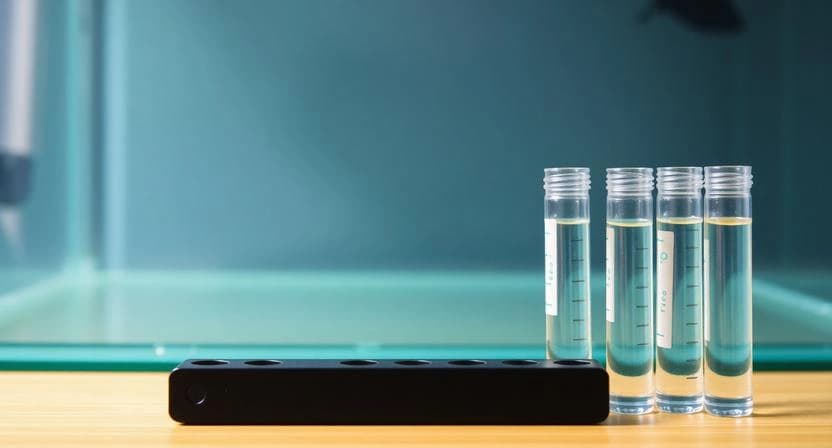
You need to test frequently during cycling to catch rapid changes in water chemistry. Daily testing during active cycling phases helps you respond quickly to problems like stalled cycles or toxic spikes. Less frequent testing might miss critical windows when intervention could save time or prevent issues.
Accurate testing requires proper technique and fresh test kits. Old reagents produce unreliable results that can mislead you about your tank's actual status. Following manufacturer instructions exactly ensures your results reflect true water conditions rather than testing errors.
Essential Test Kit Requirements
You must have tests for ammonia, nitrite, and nitrate to properly monitor the cycling process. These three parameters tell the complete story of where your cycle stands at any given time. Testing only one or two parameters leaves you guessing about the overall cycle status and risks adding fish prematurely.
Liquid test kits generally provide more accurate results than test strips for cycling purposes. Liquid kits measure specific ranges precisely, while strips often miss subtle changes in parameter levels. The investment in quality liquid tests pays off in reliable data throughout the cycling process.
A pH test kit helps you ensure water chemistry stays within ranges that support bacterial growth. pH outside the 6.5 to 8.5 range can stall your cycle indefinitely. Testing pH when the cycle seems stuck helps you identify and correct this common problem.
When and How Often to Test
Test your water every other day during the first week when ammonia accumulates but bacteria remain scarce. This baseline testing confirms ammonia is present and rising as expected. If ammonia fails to appear, your ammonia source may be inadequate or you may need to add more.
Increase testing frequency to daily once ammonia begins dropping and nitrite appears. This active phase shows rapid changes that require close monitoring. Daily testing helps you track bacterial growth rates and predict when the cycle will complete.
Return to every other day testing once both ammonia and nitrite reach zero. Test for at least one week after first seeing zero readings to confirm stability. The cycle is only complete when readings remain consistently at zero for multiple consecutive tests.
Reading and Interpreting Your Results
Rising ammonia in week one confirms you have successfully introduced an ammonia source. Ammonia should reach 2 to 4 parts per million and remain elevated while bacteria colonies begin establishing. If ammonia exceeds 5 parts per million, perform a small water change to bring levels back to the target range.
Dropping ammonia with rising nitrite signals that stage one bacteria are colonizing successfully. Nitrite typically spikes higher than the initial ammonia concentration as the first bacteria colony processes ammonia faster than the second colony processes nitrite. Patience during this phase is essential as the second bacteria colony develops.
Zero ammonia and zero nitrite with measurable nitrate indicates a completed cycle. Nitrate should continue accumulating over time in the absence of water changes. If all three parameters read zero, retest to ensure accuracy or consider whether something is consuming nitrate unexpectedly.
Common Mistakes That Delay the Cycling Process
Over-cleaning your filter during the cycling process removes the beneficial bacteria you are trying to establish. Many beginners rinse filter media under tap water, killing bacteria with chlorine. Filter media should remain undisturbed during cycling unless flow becomes severely restricted. If cleaning becomes necessary, rinse media gently in dechlorinated tank water only.
Adding fish too early restarts portions of the cycle and exposes fish to toxic conditions. Some aquarists see ammonia drop to zero and immediately add fish without waiting for nitrite to clear. The resulting nitrite spike harms the new fish while bacterial colonies struggle to catch up with the increased bioload.
Using chlorinated tap water for water changes during cycling kills beneficial bacteria and stalls the process. Chlorine and chloramine disinfect water by killing bacteria indiscriminately. Always treat tap water with a quality dechlorinator before adding it to your cycling tank. Even small amounts of chlorinated water can set your cycle back by days or weeks.
Inconsistent ammonia levels during fishless cycling confuse bacterial populations and slow colonization. Forgetting to dose ammonia for several days starves developing bacteria and causes die-off. Overdosing ammonia to compensate then overwhelms the remaining bacteria. Maintain steady ammonia between 2 and 4 parts per million through regular, consistent dosing.
What to Do After Your Tank Completes the Cycle
Perform a large water change of 50 to 75 percent before adding fish to remove accumulated nitrate. High nitrate levels from the cycling process can stress new fish even though nitrate is less toxic than ammonia or nitrite. Fresh water provides the best possible start for your first fish.
Add fish gradually in small groups rather than fully stocking immediately. Start with just a few hardy fish and monitor water parameters for one to two weeks.
The bacterial colonies need time to grow and match your increasing bioload. Adding too many fish at once can overwhelm the bacteria and trigger a mini-cycle.
Continue testing water parameters regularly during the first month after adding fish. Test every other day for the first two weeks, then weekly for the next two weeks. This monitoring confirms your biological filter adapts successfully to the new bioload and catches any problems early.
Maintain your biological filter carefully to preserve the bacteria you worked hard to establish. Never replace all filter media at once, and rinse media only in dechlorinated water.
Avoid using medications containing antibacterial ingredients unless absolutely necessary. Your beneficial bacteria form the foundation of your aquarium's health and deserve protection.
The time invested in properly cycling your aquarium creates a stable foundation for years of successful fishkeeping. Understanding aquarium cycle time and the factors that influence it helps you plan appropriately and avoid rushing this critical process.
Every aquarium benefits from a patient, thorough cycling approach that prioritizes biological stability over immediate gratification. Your fish will thrive in the healthy environment that only a fully cycled tank can provide.