
How Many Fish Is Too Many in a Low Maintenance Aquarium?

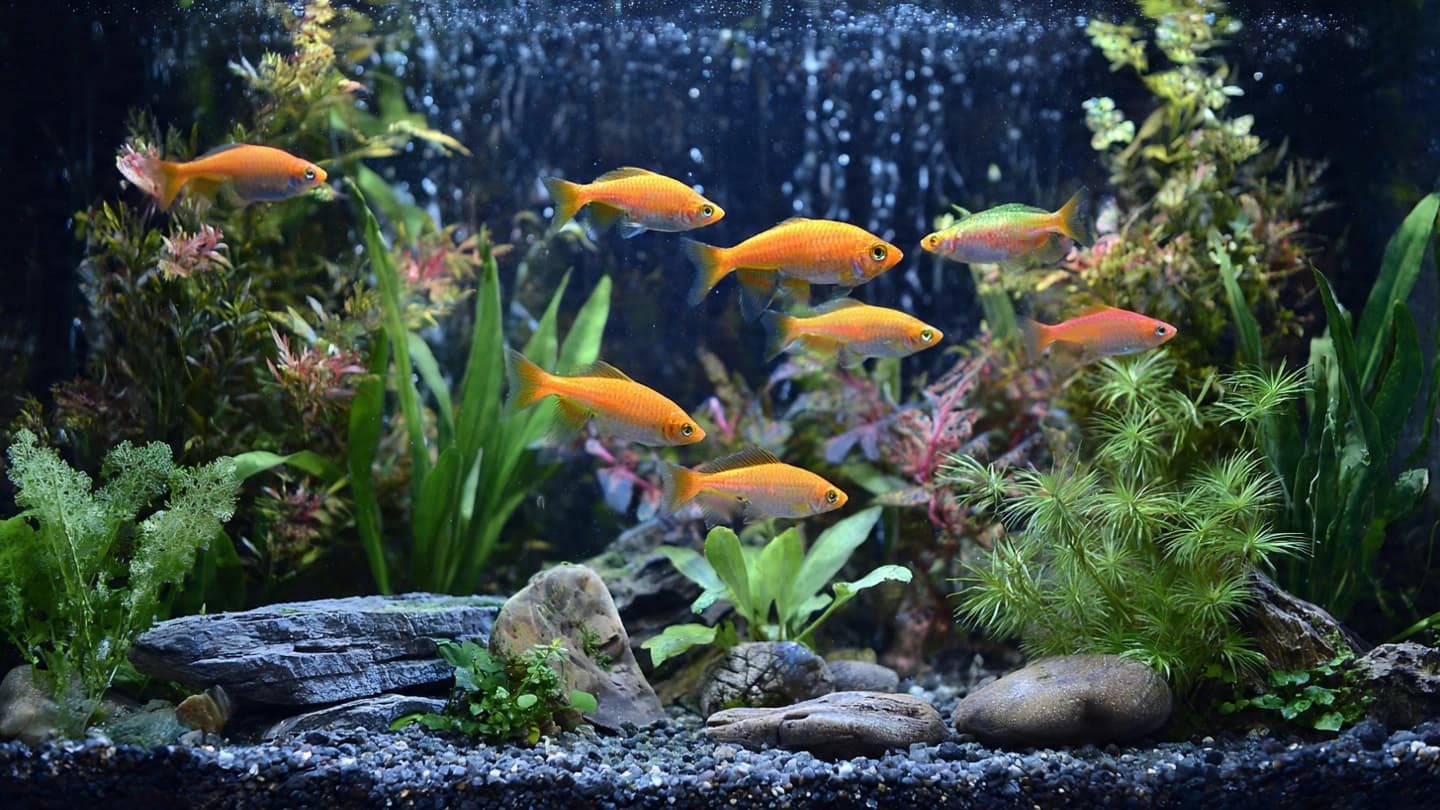
How many fish is too many in a low maintenance aquarium? In most cases, exceeding one inch of adult fish per gallon of water signals too many, especially in setups designed for minimal upkeep.
Low maintenance aquariums appeal to many hobbyists because they require less frequent care while still offering the beauty of underwater life. However, stocking them properly remains essential for the health of the fish and the stability of the tank.
You might wonder why the same stocking rules do not always apply as strictly to heavily maintained systems. The answer lies in how low maintenance tanks rely on natural balance rather than constant intervention.
Understanding these limits helps you create a thriving environment that stays clear and healthy with little effort.
By learning the basic guidelines and observing your tank closely, you can enjoy a peaceful aquarium without the stress of frequent problems. This guide walks you through the key principles so you can make informed decisions.
Understanding Low Maintenance Aquariums
Low maintenance aquariums prioritize simplicity and natural stability over intensive equipment or frequent interventions.
You design these setups to run smoothly with basic filtration, live plants, and a balanced ecosystem that handles waste naturally.
Many people choose this approach because it fits busy lifestyles. You perform water changes less often, and the tank relies on beneficial bacteria and plants to keep conditions stable.
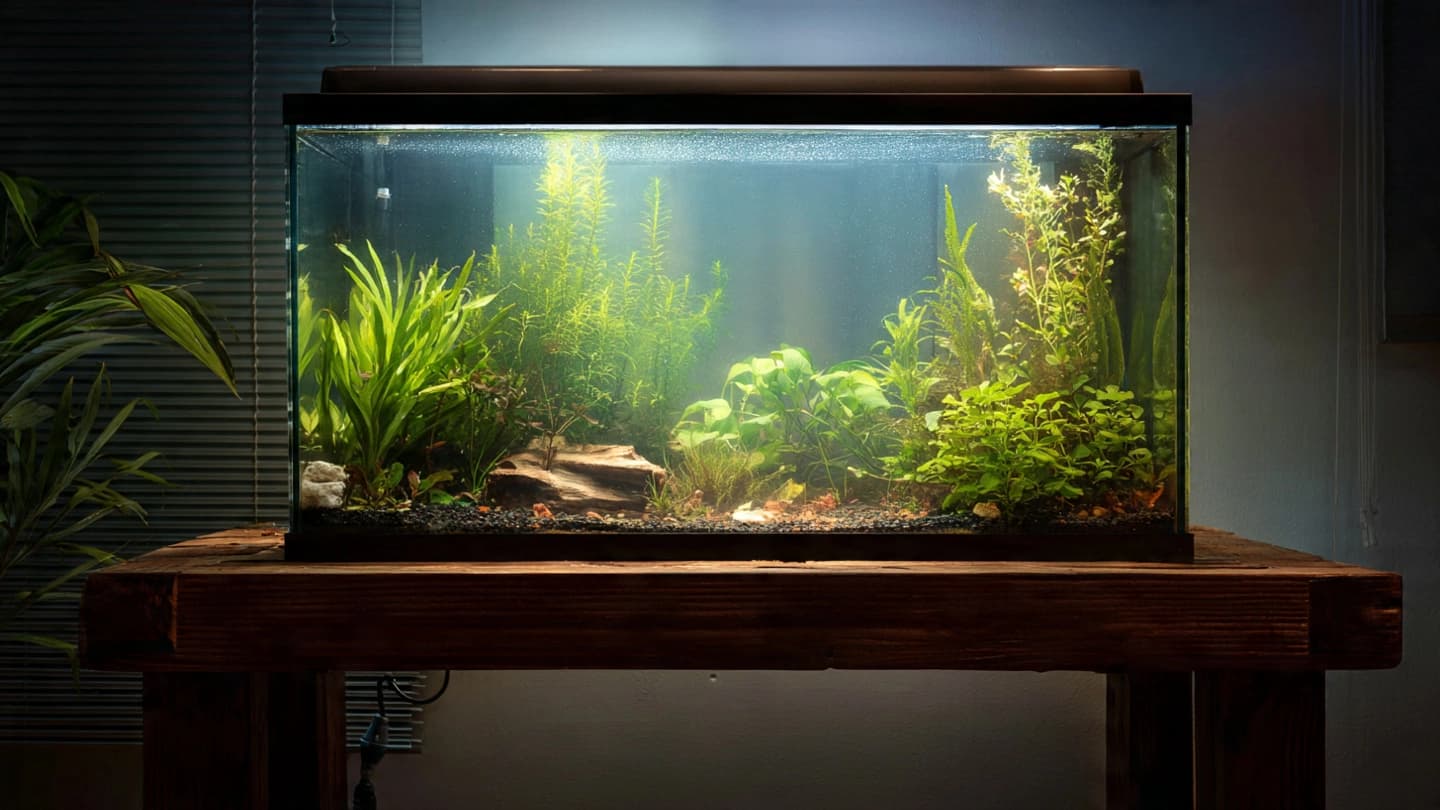
However, this reduced hands-on care means the system has less buffer against mistakes like adding too many fish.
These aquariums often feature hardy species, dense planting, and efficient but straightforward filters. The goal is to mimic a self-sustaining environment where biological processes manage most of the work.
Success depends on starting with realistic expectations. You create a foundation that supports life without constant adjustments, which makes thoughtful stocking even more important.
How Many Fish Is Too Many in a Low Maintenance Aquarium?
The General Rule of Thumb for Stocking
The most common guideline suggests one inch of adult fish length per gallon of water. For example, in a 20-gallon tank, you could safely keep fish that grow to a total of 20 inches combined.
This rule provides a quick starting point for beginners. It accounts for the waste production and oxygen needs of average community fish. You apply it using the expected adult size, not the size when you buy them.
Adjustments are often necessary based on specific conditions, but the inch-per-gallon rule helps you avoid gross overstocking from the beginning.
Why Overstocking Is Riskier in Low Maintenance Setups
In low maintenance systems, you intervene less frequently, so excess waste builds up faster and becomes harder to correct.
High fish numbers produce more ammonia, which strains the biological filter that you rely on heavily.
Without powerful equipment or weekly water changes to dilute toxins, water quality can decline quickly. You notice stress in fish long before major issues appear, but recovery takes longer in minimal-care tanks.
Overstocking also reduces the margin for error during unexpected events, like a filter slowdown. Keeping numbers moderate gives your setup the resilience it needs to stay stable.
Signs You've Added Too Many Fish
Cloudy water that persists despite basic care often indicates too many fish. You may also see algae growth accelerate as nutrients rise from excess waste.
Fish behavior offers clear clues. If they gasp at the surface regularly or hide more than usual, oxygen levels or toxin buildup may be the cause.
Poor plant health, frequent illnesses, or stunted growth in younger fish all point toward overstocking. Observing these signs early lets you adjust before serious harm occurs.
Key Factors That Determine Safe Stocking Levels
Aquarium Size and Volume
Tank size directly influences how many fish you can keep comfortably. Larger volumes dilute waste more effectively and provide more stable conditions.
A bigger aquarium also offers more swimming space and territories, which reduces stress among inhabitants. You benefit from greater forgiveness if you slightly misjudge stocking levels.
Smaller tanks demand stricter adherence to guidelines. Even a few extra fish can overwhelm the system quickly in limited water volume.
Filtration Capacity
The filter plays a central role in processing waste. In low maintenance setups, you typically use efficient but not oversized filtration that relies on biological media.
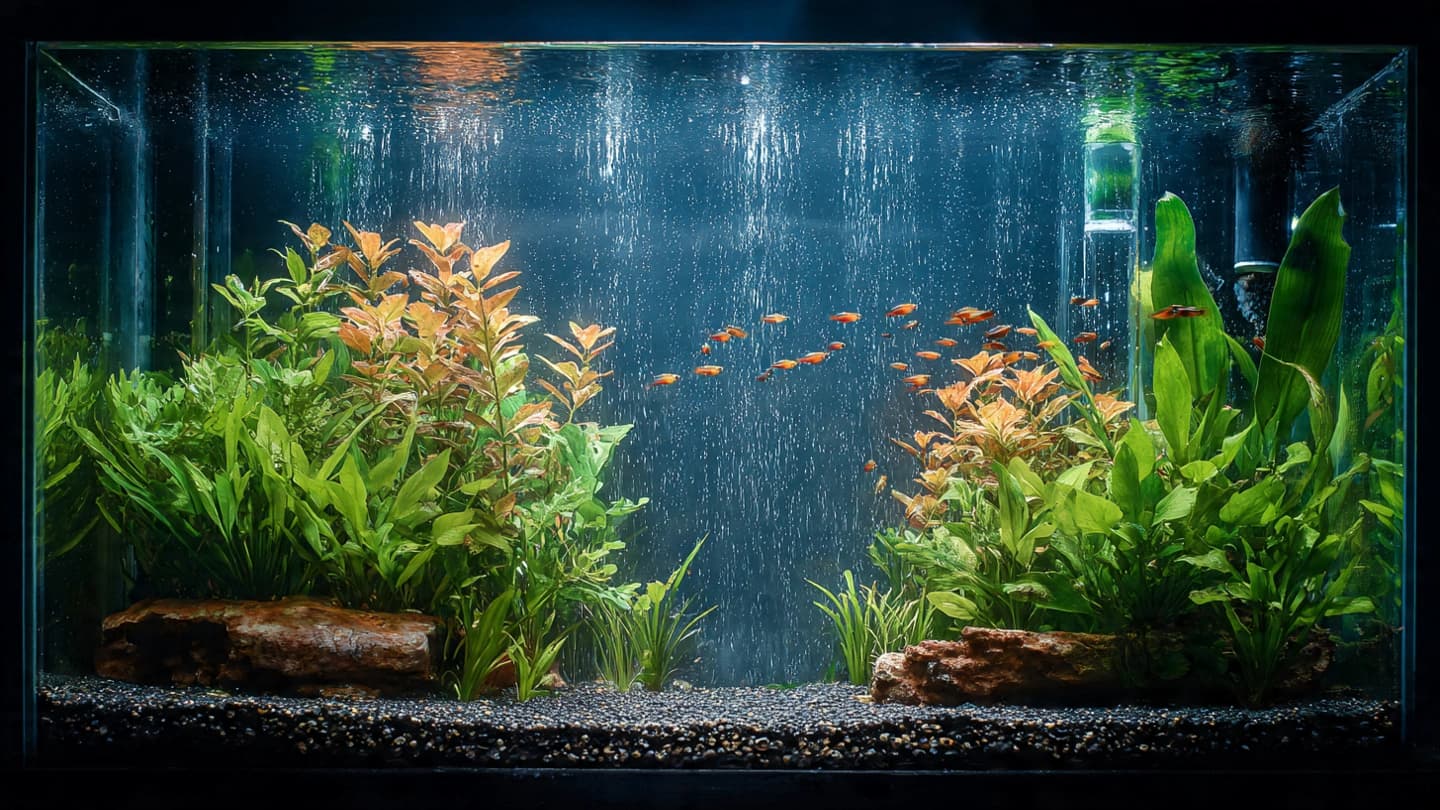
Stronger flow and larger media volume allow slightly higher stocking. However, you still avoid pushing limits because natural balance remains the primary tool.
Regular cleaning of mechanical parts keeps the system running smoothly. Good filtration extends the safe range but does not replace moderate stocking.
Fish Size and Species Behavior
Larger fish produce more waste than smaller ones of equal length count. A single six-inch fish creates far more bioload than six one-inch fish.
Active swimmers need more space and oxygen. Sedentary or bottom-dwelling species often tolerate closer quarters but still contribute to waste.
Schooling fish require groups for comfort, which affects total numbers. You plan around their social needs while staying within safe bioload limits.
Plant Coverage and Natural Filtration
Live plants absorb nitrates and provide oxygen, acting as a natural filter. Dense planting significantly improves water quality and allows moderate increases in stocking.
Fast-growing stem plants or floating species work especially well. They compete with algae for nutrients and create hiding spots that reduce stress.
Healthy plants indicate a balanced system. You support them with appropriate lighting and substrate to maximize their benefits.
The Role of Biological Filtration in Stocking Decisions
Biological filtration relies on beneficial bacteria that convert ammonia to nitrite and then nitrate. These microbes colonize filter media, substrate, and decorations.
In low maintenance aquariums, you depend almost entirely on this process. A mature cycle handles predictable waste loads reliably over long periods.
Adding fish too quickly overwhelms new or establishing colonies. You allow several weeks for bacteria to multiply in response to gradual increases.
Stable temperatures and minimal disturbances keep colonies healthy. Understanding this cycle helps you set realistic stocking goals that the system can sustain.
Maintaining Water Quality with Moderate Stocking
Moderate stocking keeps nitrate levels manageable between partial water changes. You perform these exchanges every few months rather than weekly.
Regular testing confirms that parameters stay within safe ranges. Simple kits let you monitor ammonia, nitrite, nitrate, and pH without complex equipment.
Consistent feeding practices prevent excess food from decaying. You offer only what fish consume in a few minutes to minimize waste.
Plants and snails assist in cleanup duties. Together with careful stocking, these elements maintain clear, healthy water over time.
Common Mistakes to Avoid When Stocking Your Aquarium
One frequent error involves trusting the size of juvenile fish. Many species grow rapidly, and you must plan for their adult dimensions from the start.
Another mistake is assuming all gallons count equally. Decorations, substrate, and plants displace water, reducing actual volume available for fish.
Ignoring species compatibility leads to stress that mimics overstocking effects. Aggressive or territorial fish disrupt balance even in lightly stocked tanks.
Rushing the cycling process invites disaster. You exercise patience during setup to establish a strong foundation for future inhabitants.
Tips for Achieving a Balanced, Healthy Aquarium
Start with fewer fish than the guidelines suggest and add more slowly. This approach lets you observe how the system responds to each change.
Choose hardy, peaceful community species suited to low maintenance life. They forgive minor fluctuations better than sensitive varieties.
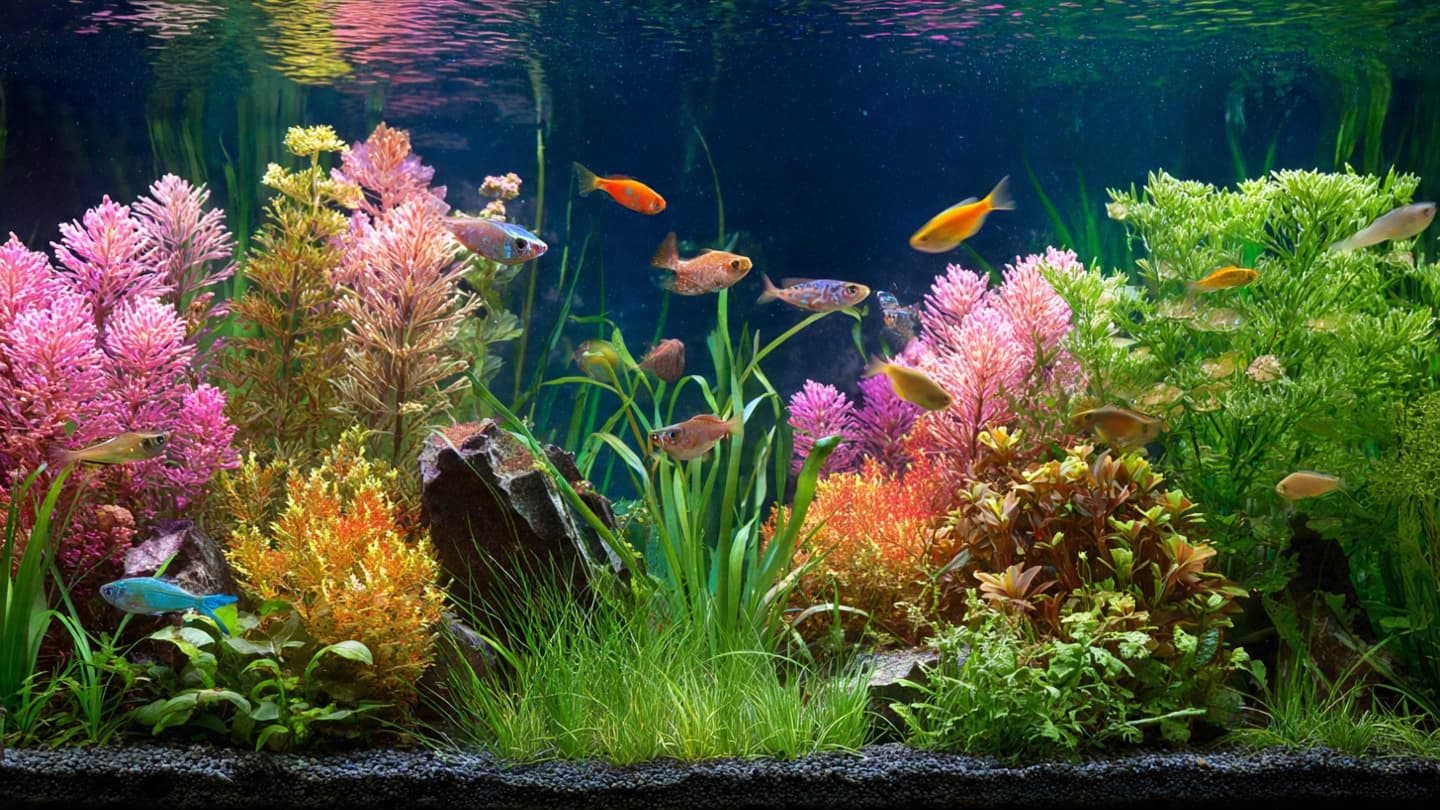
Incorporate plenty of hiding places and open swimming areas. Well-structured environments reduce stress and support natural behaviors.
Monitor your tank regularly, even in low maintenance designs. Brief weekly checks catch small issues before they grow into larger problems.
Keeping stocking levels conservative rewards you with a stable, beautiful aquarium that requires minimal intervention. You enjoy the serenity of underwater life while knowing your fish thrive in a balanced environment.
Take a moment to observe your setup today and consider whether it reflects these principles. Thoughtful planning leads to years of enjoyment for both you and your aquatic companions.