
How Often Should You Clean Your Aquarium Glass

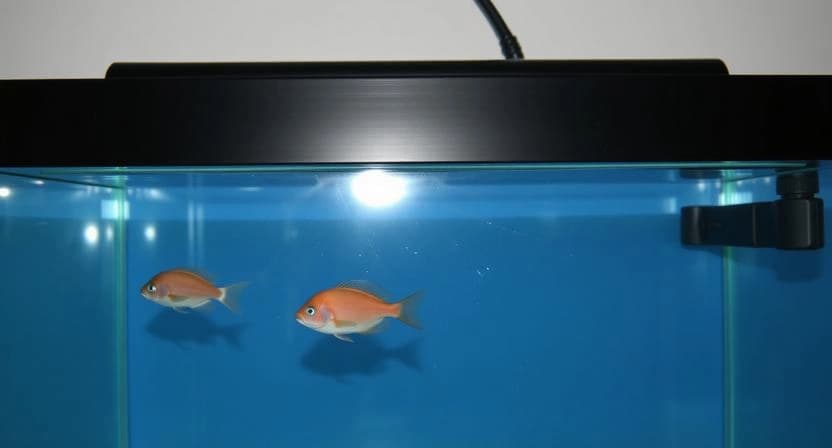
How often should you clean your aquarium glass? This is a question every aquarium owner faces when maintaining their aquatic environment.
Most aquarium glass should be cleaned once every week to two weeks, though the exact frequency depends on factors like tank size, lighting conditions, fish population, and algae growth rates.
Regular glass cleaning not only improves visibility but also supports overall tank health by preventing excessive algae buildup that can affect water quality.
Maintaining clear aquarium glass creates a more enjoyable viewing experience and allows you to monitor your fish more effectively. When you can see through the glass clearly, you notice behavioral changes, health issues, or equipment problems much faster.
This proactive approach to tank maintenance helps you catch potential problems before they become serious.
Understanding the right cleaning schedule for your specific aquarium requires considering multiple variables that influence algae growth.
By learning what affects glass cleanliness and recognizing the signs that cleaning is needed, you can develop a customized maintenance routine that keeps your tank looking pristine without overworking yourself or stressing your fish.
Why Aquarium Glass Cleaning Matters for Fish Health
Clean aquarium glass plays a more important role in fish health than many aquarium owners realize. While it might seem like a purely aesthetic concern, the condition of your glass directly reflects what's happening in your water column.
When algae covers the glass excessively, it indicates an imbalance in your tank's ecosystem that could affect your fish.
Excessive algae growth on glass surfaces often signals high nutrient levels in the water. These nutrients come from fish waste, uneaten food, and decaying plant matter.
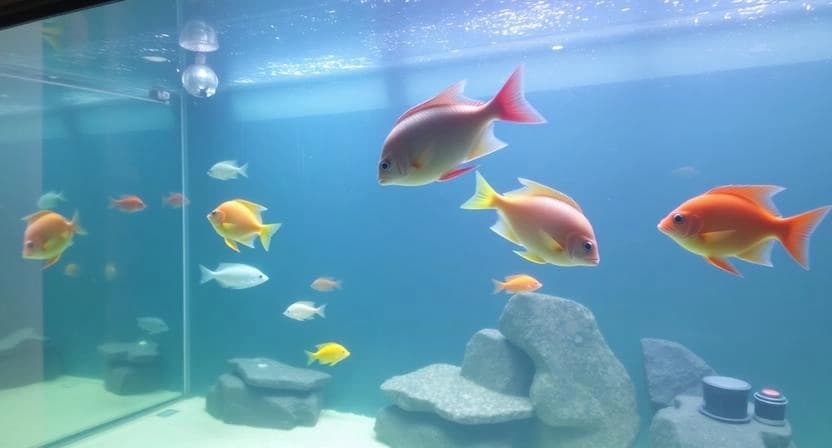
When algae consumes these nutrients on the glass, it competes with beneficial bacteria and live plants that help maintain water quality. This competition can disrupt the natural balance your fish need to thrive.
Dirty glass also makes it harder for you to observe your fish during daily checks. You might miss early warning signs of disease, injury, or stress when green or brown film obscures your view.
Regular glass cleaning ensures you can spot fin damage, unusual swimming patterns, or color changes that indicate health problems requiring immediate attention.
Beyond observation benefits, clean glass allows more light to penetrate the tank. This light supports photosynthesis in live plants, which produce oxygen and absorb harmful compounds like ammonia and nitrates. When thick algae blocks light from reaching your plants, it reduces their ability to contribute to a healthy tank environment.
Understanding Algae Growth on Aquarium Glass
Algae growth on aquarium glass is a natural occurrence in any aquatic environment. These simple organisms use light, water, and nutrients to grow and reproduce rapidly under the right conditions.
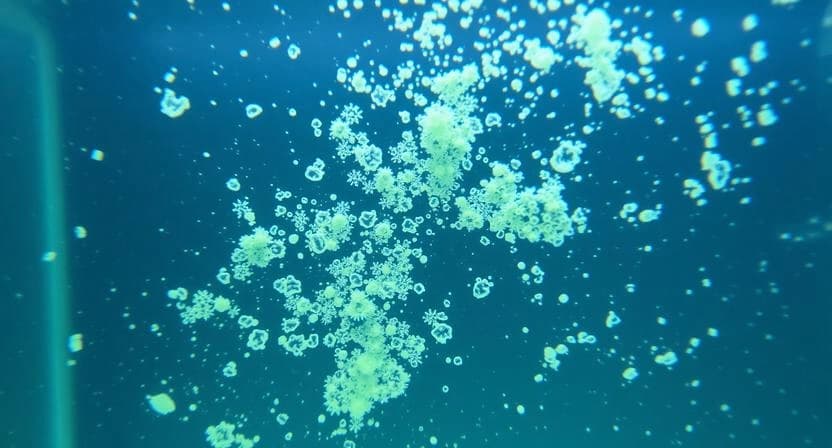
While some algae presence is normal and even beneficial, excessive growth becomes problematic for both aesthetics and tank balance.
The algae you see on your glass serves as a visible indicator of your tank's overall condition. Different types of algae appear under different circumstances, and understanding what you're dealing with helps you address the root cause rather than just treating the symptoms. This knowledge empowers you to make informed decisions about lighting, feeding, and water changes.
Types of Algae That Appear on Glass Surfaces
Green spot algae appears as small, hard, circular dots that are difficult to remove from glass. This type thrives in tanks with high light levels and low phosphate levels. You'll need a razor blade or specialized scraper to remove these stubborn spots, as regular cleaning tools often slide right over them.
Green dust algae creates a light green film that covers the entire glass surface uniformly. This soft algae appears in newer tanks or after significant water changes. While it looks unsightly, you can easily wipe it away with a soft cloth or algae pad during routine cleaning sessions.
Brown diatom algae commonly appears in new aquariums as brownish patches on glass and decorations. This type typically resolves itself as the tank matures and beneficial bacteria populations establish themselves. You can gently wipe it away, but it often returns until your tank completes its cycling process.
Factors That Accelerate Algae Buildup
Excessive lighting duration ranks as the primary factor driving rapid algae growth on aquarium glass. When you leave tank lights on for more than 8 to 10 hours daily, you provide algae with extended photosynthesis time. This extra energy allows algae populations to explode across glass surfaces and throughout your tank.
Overfeeding fish contributes significantly to algae problems by introducing excess nutrients into the water. Uneaten food sinks to the bottom, decomposes, and releases phosphates and nitrates that fuel algae growth.
These nutrients accumulate faster than your biological filter can process them, creating ideal conditions for algae to colonize your glass.
Inadequate water circulation allows nutrients to settle and concentrate in certain areas of your tank. Poor flow creates dead zones where waste accumulates and breaks down, releasing compounds that feed algae. When water movement is insufficient, these nutrient-rich pockets accelerate algae growth on nearby glass surfaces.
High nitrate and phosphate levels from infrequent water changes give algae the resources it needs to thrive. Without regular water changes to dilute these compounds, they build up over time and support increasingly dense algae populations on your glass and other surfaces.
How Algae Affects Water Quality and Visibility
Algae growth impacts water quality through several mechanisms that affect your fish and overall tank health. During daylight hours, algae performs photosynthesis and produces oxygen while consuming carbon dioxide.
However, at night, this process reverses, and algae consumes oxygen while releasing carbon dioxide. Heavy algae blooms can cause dangerous oxygen fluctuations that stress fish.
Visibility degradation from algae-covered glass prevents you from enjoying your aquarium and monitoring tank conditions effectively. When you can't see through the glass clearly, you miss important details about fish behavior, plant health, and equipment function.
This reduced visibility turns routine observation into guesswork and delays your response to emerging problems.
Decaying algae releases organic compounds back into the water when it dies and breaks down. This decomposition process consumes oxygen and increases ammonia levels temporarily.
Large die-offs from sudden changes in lighting or water parameters can spike toxin levels enough to harm sensitive fish species.
Algae also competes with aquarium plants for essential nutrients like nitrogen, phosphorus, and trace elements. When algae populations dominate, your plants may show signs of nutrient deficiency despite adequate fertilization.
This competition weakens plants and reduces their ability to help maintain water quality naturally.
How Often Should You Clean Your Aquarium Glass
Determining the ideal cleaning frequency for your aquarium glass requires balancing several competing factors. You want to maintain clear visibility and prevent excessive algae buildup without disturbing your tank too frequently.
The right schedule varies based on your tank's age, stability, and specific conditions.
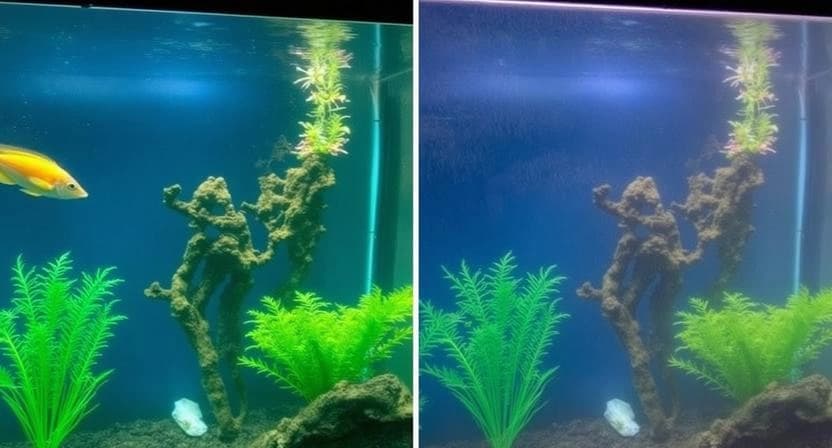
Most established aquariums benefit from weekly glass cleaning as part of regular maintenance routines. This frequency prevents algae from accumulating to problematic levels while allowing you to inspect your fish and equipment closely.
Weekly cleaning becomes second nature when you pair it with other tasks like water testing and filter checks.
Cleaning Frequency for New Aquariums
New aquariums often require more frequent glass cleaning during the first few months of operation. Brown diatom algae typically appears within the first two to four weeks as your tank begins cycling.
You might need to clean your glass two to three times per week during this initial period to maintain visibility.
As beneficial bacteria populations establish themselves, diatom algae usually disappears on its own. This transition period can last anywhere from four to eight weeks, depending on your tank's size, filtration, and stocking levels.
During this time, you should clean the glass whenever visibility becomes impaired, which might mean every few days.
After your tank completes its nitrogen cycle and stabilizes, you can reduce cleaning frequency gradually. Start by extending the interval between cleanings from three days to four or five days.
Monitor how quickly algae returns and adjust your schedule accordingly until you find the right balance for your specific setup.
New tanks with live plants may experience different algae patterns than fish-only systems. Plants compete with algae for nutrients and can help slow glass fouling once they establish strong root systems and begin growing actively.
Be patient during this establishment phase and maintain consistent cleaning until your plants gain momentum.
Maintenance Schedule for Established Tanks
Established aquariums with stable water parameters typically need glass cleaning once every seven to ten days. This schedule works well for most community tanks with moderate lighting and balanced fish populations.
You can incorporate glass cleaning into your weekly water change routine to streamline maintenance tasks.
Planted tanks with high-intensity lighting may require more frequent attention, sometimes needing glass cleaning twice weekly. The strong light that promotes plant growth also accelerates algae development on glass surfaces.
If you maintain a planted tank, check your glass every few days and clean whenever the algae becomes noticeable.
Low-light tanks with minimal fish populations often go two weeks or longer between glass cleanings. These setups produce fewer nutrients and receive less light, both factors that slow algae growth. You can extend your cleaning interval in these tanks as long as visibility remains acceptable and algae doesn't become established.
Saltwater aquariums generally require weekly glass cleaning regardless of other factors. Marine algae species often grow faster than freshwater varieties and can quickly obscure viewing areas.
Many saltwater aquarium keepers clean the front glass weekly while tackling the side and back panels every two weeks.
Adjusting Cleaning Frequency Based on Tank Conditions
Summer months often accelerate algae growth due to warmer room temperatures and increased natural light entering your home. You might need to increase cleaning frequency from weekly to twice weekly during these months.
Higher temperatures speed up all biological processes, including algae reproduction and growth rates.
Tank location relative to windows significantly impacts how often you need to clean glass. Aquariums near windows receive ambient sunlight in addition to artificial lighting, promoting faster algae development.
If your tank sits near a window, expect to clean glass more frequently than tanks in interior rooms.
Changes in feeding habits or fish population affect nutrient levels and subsequent algae growth. When you add new fish or increase feeding amounts, monitor your glass more closely for the next few weeks.
You may need to adjust your cleaning schedule upward temporarily until your filtration catches up with the increased bioload.
Seasonal changes in your home's lighting patterns can influence cleaning needs as well. During winter months when days are shorter and rooms darker, you might reduce cleaning frequency.
Conversely, spring and summer bring longer days and more ambient light that can fuel algae growth even with consistent artificial lighting schedules.
Signs Your Aquarium Glass Needs Cleaning
Recognizing when your aquarium glass needs attention helps you maintain optimal viewing conditions and tank health. Rather than following a rigid schedule, you can also clean based on visible signs that algae has accumulated to problematic levels.
This responsive approach works especially well once you understand your tank's specific patterns.
The most obvious sign is reduced visibility through the glass. When you notice difficulty seeing fish clearly or details appear hazy, algae has built up enough to warrant removal.
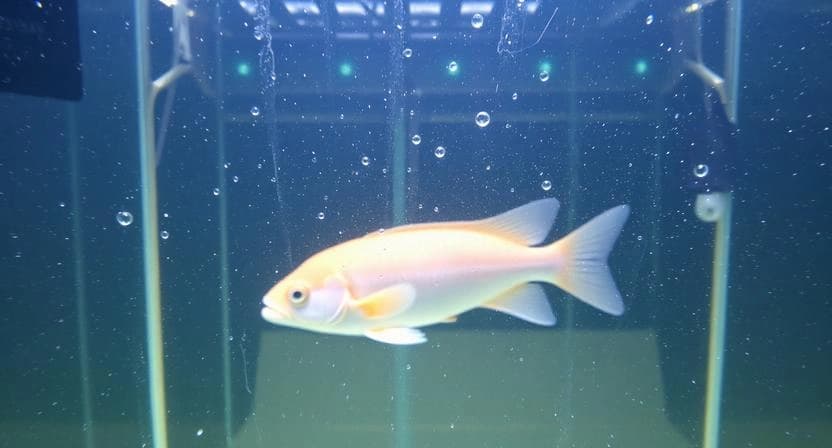
This cloudiness typically starts as a light film before progressing to more obvious green or brown patches.
Green or brown discoloration on the glass indicates active algae growth. Green coloration suggests green algae varieties, while brown tints point to diatoms or brown algae.
Both types reduce light penetration and make your aquarium look neglected, even if all other maintenance tasks are current.
Small spots that appear harder and more defined than general film indicate green spot algae establishment. These stubborn circles resist casual wiping and require scraping tools for removal. When you see these spots beginning to form, address them promptly before they multiply and harden further.
Difficulty observing fish during feeding time signals that glass cleaning is overdue. If you struggle to count all your fish or notice unusual behavior patterns because visibility is poor, prioritize glass cleaning. Clear observation is essential for monitoring fish health and catching problems early.
Factors That Influence Cleaning Frequency
Multiple interconnected factors determine how quickly algae accumulates on your aquarium glass. Understanding these variables helps you predict cleaning needs and make adjustments that reduce algae growth. By addressing root causes rather than just symptoms, you can extend the time between necessary cleanings.
Your tank's unique combination of conditions creates a specific environment that either promotes or inhibits algae development. Two seemingly identical tanks can require vastly different cleaning schedules based on subtle differences in these factors. Learning to read your tank's signals allows you to optimize maintenance timing.
Tank Size and Fish Population Density
Larger aquariums dilute waste products more effectively than smaller tanks, often resulting in slower algae accumulation on glass. A 75-gallon tank with ten fish produces the same amount of waste as a 20-gallon tank with ten fish, but the larger volume disperses nutrients more thoroughly. This dilution effect means larger tanks may need less frequent glass cleaning despite housing more fish.
Overstocked tanks generate excessive nutrients that fuel rapid algae growth regardless of tank size. When you keep more fish than your filtration can adequately support, waste byproducts accumulate faster than beneficial bacteria can process them.
This nutrient surplus appears as accelerated algae growth on glass, decorations, and substrate.
Fish species and their waste production rates matter as much as population numbers. Large messy eaters like goldfish or cichlids produce substantially more waste than small species like tetras or rasboras.
A tank with three goldfish might require more frequent cleaning than a tank with twenty small tropical fish.
Bioload management through appropriate stocking levels helps control nutrient availability for algae. Following general stocking guidelines of one inch of adult fish per gallon of water in freshwater tanks or more conservative ratios for saltwater prevents overloading your system. Proper stocking reduces cleaning frequency and creates healthier conditions for your fish.
Lighting Duration and Intensity
Light duration directly correlates with algae growth rates on aquarium glass and throughout your tank. Most aquariums function optimally with 6 to 8 hours of lighting daily for fish-only setups and 8 to 10 hours for planted tanks.
Exceeding these durations provides algae with extra energy for growth without offering significant benefits to fish or most plants.
Light intensity measured in lumens or PAR values influences how quickly algae establishes on surfaces. High-intensity lighting designed for demanding aquarium plants also accelerates algae growth if nutrient levels aren't perfectly balanced.
Reducing light intensity by raising fixtures or using dimmer settings can slow algae accumulation significantly.
Old or degrading light bulbs sometimes shift in color spectrum toward wavelengths that favor algae over plants. Fluorescent and metal halide bulbs lose intensity and shift spectrum over time, requiring replacement every 6 to 12 months. LED fixtures maintain consistent output longer but should still be monitored for performance changes.
Ambient light from nearby windows or room lighting adds to your tank's total light exposure. Even with controlled artificial lighting schedules, natural sunlight streaming through windows provides additional energy for algae growth. Blocking ambient light with curtains or relocating your tank away from windows helps control unwanted algae development.
Nutrient Levels and Feeding Habits
Overfeeding represents one of the most common causes of excessive algae growth in home aquariums. Fish should consume all offered food within two to three minutes during feeding time. Any food remaining after this period sinks, decomposes, and releases phosphates and nitrates that fertilize algae on your glass.
Nitrate levels above 20 parts per million in freshwater tanks or 10 parts per million in reef tanks provide abundant nutrients for algae growth.
Regular water testing helps you track nitrate accumulation and determine if water change frequency needs adjustment. Reducing nitrates through water changes or adding fast-growing plants limits nutrients available to algae.
Phosphate levels, though often neglected in testing routines, significantly impact algae growth rates. Many aquarium foods and tap water contain phosphates that accumulate over time. Keeping phosphates below 0.5 parts per million through water changes or specialized removal media helps control algae on glass and throughout your tank.
Decomposing plant matter and fish waste continuously add nutrients to your water column. Regular substrate vacuuming during water changes removes accumulated debris before it fully breaks down. This proactive removal reduces the nutrient pool feeding algae growth and extends time between necessary glass cleanings.
Best Practices for Maintaining Clear Aquarium Glass
Implementing smart maintenance practices keeps your aquarium glass clearer for longer periods between intensive cleanings. These strategies focus on prevention and efficient cleaning techniques that minimize disruption to your tank.
By working smarter rather than harder, you maintain better visibility with less frequent intervention.
Consistency in maintenance routines produces better results than sporadic intensive cleaning sessions. When you clean glass regularly before algae becomes heavily established, each session requires less effort and time.
This steady approach also reduces stress on your fish by avoiding major disruptions to their environment.
Using appropriate tools for glass cleaning protects both the glass surface and your hands. Magnetic algae cleaners allow you to clean inside glass surfaces without getting your hands wet, making the process faster and more convenient.
For stubborn spots, plastic razor blades remove algae without scratching glass, while metal blades work only on glass tanks, never acrylic.
Cleaning glass before water changes rather than after maximizes efficiency and water quality. When you scrape algae off the glass, particles float throughout the tank temporarily.
Performing a water change immediately after cleaning removes these suspended particles before they settle elsewhere or get sucked into your filter.
Creating a cleaning pattern that covers all glass surfaces systematically ensures thorough results. Start at the top of one corner and work your way down in overlapping vertical strokes, then move horizontally across the tank.
This methodical approach prevents missing spots and ensures even cleaning across all viewing panels.
Common Mistakes to Avoid When Cleaning Aquarium Glass
Many aquarium owners inadvertently make their cleaning tasks harder or damage their tanks through common mistakes. Recognizing these errors helps you avoid unnecessary complications and maintain your aquarium more effectively. Learning from others' mistakes saves you time, money, and frustration.
Using household glass cleaners on aquarium surfaces introduces toxic chemicals that can harm or kill fish. These products contain ammonia, surfactants, and other compounds that are deadly to aquatic life even in tiny concentrations.
Only use cleaning tools and materials specifically designed for aquarium use or plain water without any additives.
Scrubbing too aggressively with abrasive materials scratches glass or acrylic surfaces, creating permanent marks that trap algae and reduce clarity.
Acrylic tanks are especially vulnerable to scratching and require soft cloths or specialized acrylic-safe scrapers. Even glass tanks can develop fine scratches from repeated harsh scrubbing with inappropriate materials.
Neglecting to clean the outside glass while focusing only on the interior creates an incomplete cleaning job. Water spots, dust, and fingerprints on the exterior glass reduce visibility just as much as algae on the inside.
Wipe exterior surfaces with a damp cloth designated for aquarium use to maintain crystal-clear viewing.
Cleaning all tank surfaces including decorations and substrate in a single session can disturb beneficial bacteria colonies too severely. These bacteria live on all surfaces in your tank and are essential for biological filtration. Stagger major cleaning tasks over several weeks to preserve bacterial populations and maintain stable water parameters.
Preventive Measures to Reduce Glass Cleaning Needs
Taking proactive steps to prevent algae growth reduces how often you need to clean your aquarium glass. These preventive strategies address the root causes of algae proliferation rather than just managing symptoms.
By controlling the factors that promote algae, you make maintenance easier and more enjoyable.
Maintaining stable water parameters through regular testing and water changes limits nutrient availability for algae. Test your water weekly for ammonia, nitrite, nitrate, and pH at minimum.
Address any parameter drift promptly through water changes or appropriate adjustments before algae can exploit the imbalance.
Installing a programmable timer for your aquarium lights ensures consistent lighting duration without relying on memory. Set the timer for the appropriate photoperiod for your tank type and forget about manual switching. Consistent lighting schedules prevent the extended photoperiods that occur when you forget to turn lights off.
Adding algae-eating fish or invertebrates provides natural cleaning assistance for glass and other surfaces. Otocinclus catfish, nerite snails, and Amano shrimp constantly graze on algae throughout the day. These helpful tank inhabitants won't eliminate glass cleaning entirely, but they significantly reduce how quickly algae accumulates.
Reducing feeding amounts to the minimum your fish need prevents excess nutrients from accumulating in your water. Most fish thrive on less food than owners typically provide and actually live healthier lives with modest rations.
Feed only what your fish consume within two to three minutes once or twice daily.
Incorporating fast-growing plants in your aquarium creates competition for nutrients that would otherwise feed algae. Plants like water sprite, hornwort, and many stem plants absorb nitrates and phosphates rapidly, starving algae of resources.
This natural balance reduces algae on glass while creating a more attractive and healthy aquarium environment.
Maintaining clear aquarium glass requires balancing observation, prevention, and timely action based on your tank's specific needs. By understanding what drives algae growth and recognizing when cleaning becomes necessary, you develop an efficient routine that keeps your aquarium looking its best.
Remember that every tank is unique, and finding your optimal cleaning frequency may take some experimentation. Pay attention to how your specific combination of fish, lighting, and maintenance affects glass clarity, and adjust your approach accordingly.
With consistent care and smart preventive measures, you can enjoy crystal-clear views of your underwater world while spending less time scrubbing glass.