
How to Acclimate New Fish to Your Budget Aquarium Safely

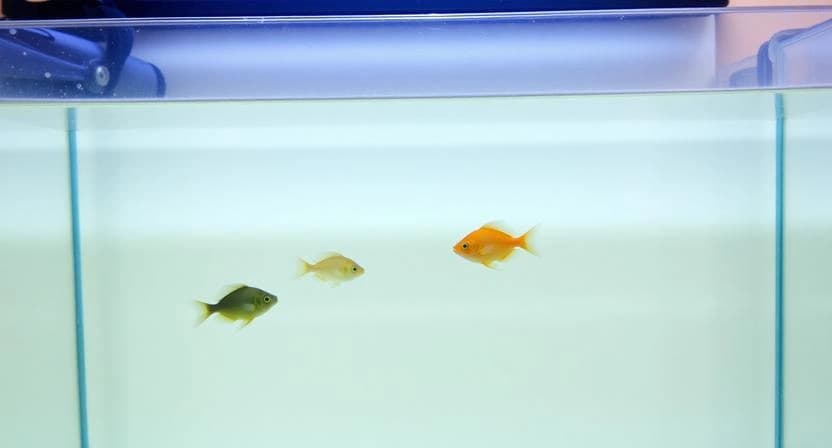
Learning how to acclimate new fish to your aquarium is one of the most important steps you'll take as a fishkeeper.
Proper fish acclimation involves gradually adjusting new fish to your tank's water conditions over 30 to 60 minutes, reducing stress and preventing shock that could harm or kill your fish.
This careful process allows your new aquatic pets to adapt to differences in temperature, pH, and other water chemistry parameters between their temporary container and your established aquarium.
When you bring fish home from the store, they've been living in water with specific characteristics that likely differ from your tank. Rushing this transition can cause serious health problems or even death.
The acclimation process bridges this gap, giving your fish time to adjust physiologically to their new environment.
Whether you're setting up your first budget aquarium or adding new members to an established community, understanding proper acclimation techniques will dramatically improve your success rate.
This guide will walk you through everything you need to know to safely introduce new fish to their permanent home.
Why Proper Fish Acclimation Matters for Aquarium Success
Fish acclimation is not an optional step you can skip when you're eager to see your new pets swimming in their tank. The process directly impacts both short-term survival and long-term health of your aquarium inhabitants.
When you acclimate new fish properly, you're essentially preventing their bodies from experiencing rapid environmental changes that can trigger stress responses and physical damage.
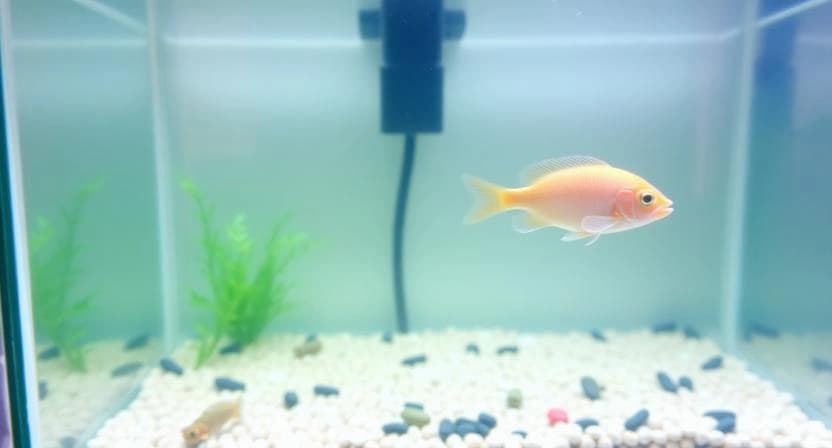
The biological systems of fish are finely tuned to their current water conditions. Sudden changes force their bodies to work overtime to maintain internal balance, a process that drains energy and weakens immune function.
This vulnerability opens the door to diseases that healthy, unstressed fish would normally resist. Many fish deaths that occur within the first week of introduction can be traced back to inadequate acclimation procedures.
Beyond immediate survival, proper acclimation sets the foundation for how well your fish will thrive in your aquarium. Fish that experience a smooth, gradual transition tend to exhibit better coloring, more active behavior, and stronger appetites compared to those subjected to sudden environmental shifts.
The time you invest in careful acclimation pays dividends in the form of vibrant, healthy fish that bring life to your aquarium.
Understanding why acclimation matters also helps you make better decisions throughout the process. When you know the science behind the practice, you can adapt techniques to suit different species and circumstances rather than blindly following rigid rules.
Understanding Fish Stress and Shock
Fish stress manifests in numerous ways, from visible signs like rapid breathing and color loss to internal changes you cannot see. When fish encounter sudden environmental changes, their bodies release stress hormones that trigger a cascade of physiological responses.
These responses are meant to be temporary survival mechanisms, but prolonged activation can damage organs and suppress immune function.
Shock represents the extreme end of the stress spectrum. Fish in shock may exhibit erratic swimming, gasping at the surface, or complete lethargy.
In severe cases, osmotic shock occurs when drastic water chemistry differences cause cellular damage. The fish's cells either absorb too much water and swell or lose water and shrink, depending on the direction of the change.
The good news is that gradual acclimation prevents these stress responses from reaching dangerous levels. By slowly introducing new water parameters, you allow the fish's regulatory systems to adjust incrementally.
This gentle approach keeps stress hormones at manageable levels and prevents the cellular damage associated with shock.
The Role of Water Chemistry Differences
Water chemistry encompasses multiple parameters that can vary significantly between your aquarium and the store's holding tanks. Temperature is the most obvious difference, but pH, hardness, and dissolved minerals also play crucial roles.
Even if two water sources look identical, invisible chemical differences can stress fish during transfer.
Pet stores often maintain their systems at neutral conditions that suit a wide range of species, while your home aquarium may have developed specific characteristics based on your substrate, decorations, and filtration.
Tap water varies by location, adding another layer of complexity. Some areas have naturally soft, acidic water while others have hard, alkaline water straight from the faucet.
The concentration of dissolved gases also differs between environments. Oxygen levels, carbon dioxide, and even nitrogen can vary based on temperature, surface agitation, and biological activity in the water.
When you acclimate new fish to your aquarium, you're giving them time to adjust to all these variables simultaneously rather than forcing an instant change.
Long-Term Health Benefits of Gradual Introduction
Fish that undergo proper acclimation demonstrate measurably better health outcomes over their lifespans. Studies of aquarium fish show that stressed individuals have shorter lifespans, reduced reproductive success, and higher susceptibility to parasites and bacterial infections.
The initial hours after introduction set the stage for months or years of development.
A gradual introduction also allows beneficial bacteria on the fish's skin and gills to adapt to new water conditions. These microorganisms form part of the fish's natural defenses against pathogens.
Sudden environmental changes can disrupt this protective layer, leaving fish vulnerable during their adjustment period.
Beyond physical health, properly acclimated fish display more natural behaviors sooner after introduction. They explore their new environment, establish territories, and begin interacting with tank mates in species-appropriate ways.
Fish that experience acclimation stress may hide for days or weeks, failing to eat properly and remaining perpetually skittish.
Essential Supplies Needed Before You Acclimate Fish Aquarium
Gathering your supplies before you bring fish home ensures the acclimation process goes smoothly without interruptions.
You'll need a clean bucket designated solely for aquarium use, never one that has contained soaps, cleaning chemicals, or food products. A five-gallon bucket works well for most acclimation procedures and gives you plenty of room to work.
An aquarium thermometer is essential for monitoring temperature during the process. While you may already have one in your display tank, having a second thermometer specifically for acclimation allows you to check both the bag water and tank water simultaneously. Digital thermometers provide quick, accurate readings that help you make informed decisions about timing.
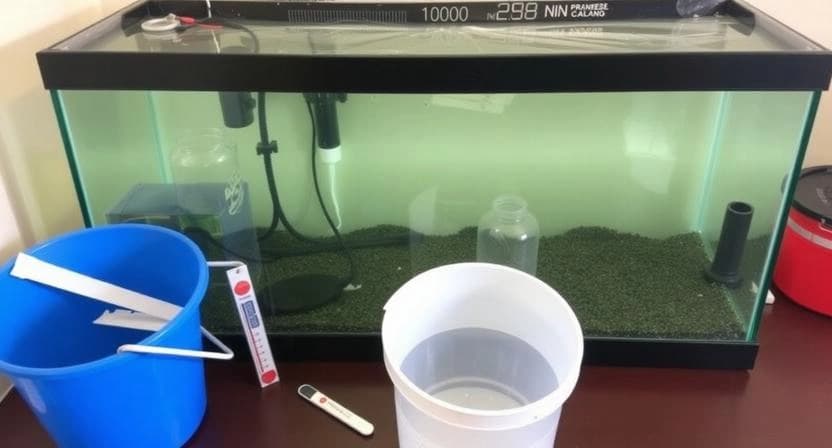
Airline tubing and a control valve create the setup you need for drip acclimation, the preferred method for sensitive species. You can purchase these items inexpensively at any pet store.
A length of tubing about three to four feet long gives you flexibility in positioning your acclimation container relative to your aquarium.
A soft net designed for aquarium fish prevents damage to fins and scales during transfer. Avoid nets with rough mesh or metal edges.
Some fishkeepers prefer using a clean plastic container to scoop fish rather than netting them, which can reduce stress during the final transfer step. Whatever method you choose, have your tools clean and ready before you start the acclimation process.
Understanding Water Parameters and Testing
Testing your aquarium water before introducing new fish gives you valuable information about potential differences your fish will encounter.
Basic test kits measure pH, ammonia, nitrite, and nitrate levels, providing a snapshot of your tank's current chemistry. Comparing these values to the store's water parameters helps you anticipate how much adjustment your new fish will need.
Many fish stores will share their water parameters if you ask. Some even post this information publicly. Knowing both sets of values allows you to plan your acclimation strategy. Large differences may require extended acclimation times or additional steps to ensure fish safety.
Water testing also confirms that your aquarium is ready to receive new inhabitants. Ammonia and nitrite should read zero in an established, cycled tank. Any detectable levels of these toxic compounds indicate your tank is not ready for new fish, regardless of how well you acclimate them. Nitrate levels below 20 parts per million suggest good water quality for most species.
Temperature Variations Between Environments
Temperature differences cause immediate stress to fish because water temperature directly affects their metabolism, oxygen consumption, and buoyancy.
A difference of just a few degrees can be significant, while a gap of ten degrees or more can be fatal if not addressed gradually. Fish are ectothermic, meaning their body temperature matches their environment, so they cannot internally regulate against sudden temperature shifts.
The float method addresses temperature differences by placing the sealed fish bag into your aquarium, allowing heat exchange through the plastic.
Over 15 to 20 minutes, the bag water gradually reaches the same temperature as your tank. This simple technique prevents thermal shock and prepares fish for the next stages of acclimation.
Room temperature also affects acclimation timing. If your fish traveled in a cooler environment during winter or sat in a hot car during summer, they may need extra time to reach a safe temperature range.
Never rush this step, as temperature is often the quickest parameter to change and therefore poses an immediate risk.
pH Levels and Their Impact on Fish
The pH scale measures how acidic or alkaline water is, ranging from 0 to 14 with 7 being neutral. Most aquarium fish thrive in the 6.5 to 8.0 range, but individual species have specific preferences. Rapid pH changes can damage gill tissue, disrupt ion exchange, and cause internal pH imbalances that affect every organ system.
A pH difference of 0.2 or less is generally safe for quick acclimation, but larger gaps require the drip method to gradually introduce new chemistry.
Some species, particularly wild-caught fish or those from extreme environments, are more sensitive to pH than hardy community fish. Research your specific species to understand their tolerance levels.
Buffer capacity, or the water's resistance to pH changes, also matters during acclimation. Well-buffered water maintains stable pH even when mixed with water of different chemistry.
Poorly buffered water can experience pH swings that stress fish. This is one reason why drip acclimation, which slowly dilutes the bag water, works better than dumping fish directly into new conditions.
Ammonia, Nitrite, and Nitrate Considerations
The nitrogen cycle compounds play a unique role in acclimation because fish produce ammonia constantly through respiration and waste. In the sealed bag, ammonia can accumulate during transport, sometimes reaching toxic levels.
This creates a paradox where the bag water is harmful, but sudden transfer to clean water can still cause shock.
When pH rises, toxic ammonia increases even if total ammonia stays the same. If your aquarium has a higher pH than the bag water, ammonia that was relatively safe in the bag can become dangerous once pH increases.
This is why you should never add tank water to the bag for extended periods without removing some of the old water.
Your established aquarium should have zero ammonia and nitrite, with moderate nitrate levels. These ideal conditions support new fish, but the transition from potentially contaminated bag water must still happen gradually.
The drip method excels here because it slowly dilutes bag water toxins while preventing sudden chemistry shifts.
The Float Method: Step-by-Step Instructions
The float method serves as the foundation for most fish acclimation procedures and works well for hardy species when water parameters are similar.
This technique primarily addresses temperature differences while beginning the process of chemistry adjustment. Most fishkeepers combine floating with additional steps for more comprehensive acclimation.
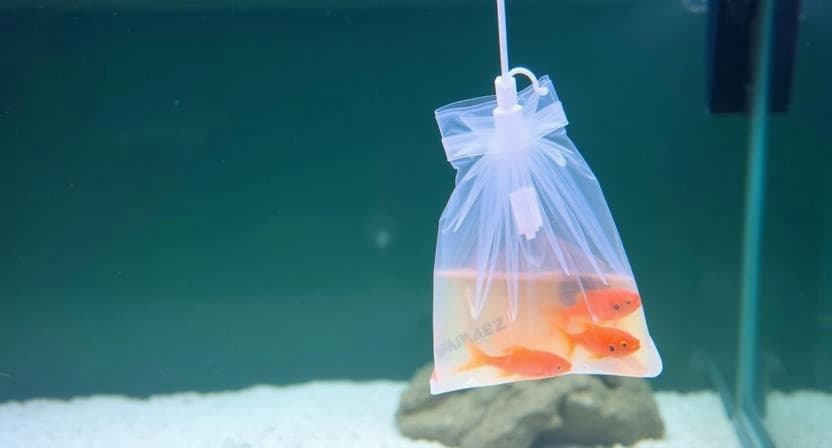
Start by dimming your aquarium lights to reduce stress on the new arrivals. Bright lights can startle fish that have been in darkness during transport.
Turn off or redirect strong water flow near where you'll release the fish to prevent them from being swept away before they orient themselves.
Float the sealed bag on your aquarium surface for 15 to 20 minutes, ensuring the bag stays upright and doesn't tip over. The bag should float easily, but you can use a clip or tape to secure it to the tank rim if needed. This floating period allows temperature equalization through the bag material.
Preparing the Bag for Temperature Adjustment
Before placing the bag in your tank, inspect it for leaks or damage that could allow water to mix prematurely. Wipe the outside of the bag with a clean, damp cloth to remove any potential contaminants from the store's systems.
This simple step prevents introducing unwanted hitchhikers into your aquarium.
Check the water temperature in the bag using your thermometer. Make a mental note or write down this starting temperature so you can confirm when equalization occurs.
Most bags will reach tank temperature within 15 to 20 minutes, but larger volumes or extreme temperature differences may require additional time.
During the floating period, observe your new fish through the clear bag. Look for signs of distress like rapid breathing, unusual coloration, or erratic movements.
Healthy fish typically swim calmly or rest near the bottom of the bag. Any concerning symptoms should be addressed before you proceed with introducing them to your tank.
Monitoring Time and Water Temperature
Set a timer when you begin floating the bag to ensure you give adequate time for temperature adjustment. Check the temperature after 10 minutes by carefully opening the bag and placing your thermometer inside. Compare this reading to your tank temperature to gauge progress.
If temperatures haven't equalized after 15 minutes, continue floating for another 5 to 10 minutes. Patience during this stage prevents thermal shock and sets the foundation for successful acclimation. Rushing this step is one of the most common mistakes new fishkeepers make.
Once temperatures match within one degree, you can proceed to the next phase of acclimation. For sensitive species or when significant pH differences exist, you'll want to transition to the drip method at this point.
For hardy fish with similar water parameters, you can begin gradually mixing tank water into the bag.
Safely Transferring Fish to the Tank
After temperature equalization and any additional acclimation steps, the final transfer requires care to minimize stress. Open the bag and gently tilt it into the water, allowing fish to swim out on their own rather than dumping them in. This gives them control over their entry into the new environment.
Use your net or transfer container only if fish are reluctant to leave the bag. Some fish may need gentle encouragement, but avoid chasing them vigorously. Quick, decisive movements are better than prolonged pursuit that exhausts the fish.
Discard the bag water rather than pouring it into your aquarium. While your fish have acclimated to your tank's chemistry, the bag water may contain medications, parasites, or accumulated wastes from the store's system.
Preventing this water from entering your tank protects your established fish and maintains water quality.
The Drip Acclimation Method Explained
Drip acclimation represents the gold standard for introducing sensitive species or when significant water parameter differences exist.
This method slowly introduces tank water into the bag or bucket containing your new fish, gradually changing the chemistry at a rate their bodies can handle. While it requires more time and equipment than floating alone, the results justify the extra effort for delicate species.
The principle behind drip acclimation is simple but effective. By adding tank water drop by drop, you create a gradual dilution of the original bag water.
Over the course of one to two hours, the water surrounding your fish transitions from store conditions to your aquarium conditions.
This slow change gives fish time to adjust their internal chemistry, maintain proper ion balance, and avoid the stress associated with rapid parameter shifts.
Drip acclimation works particularly well for invertebrates like shrimp and snails, which are often more sensitive to water chemistry changes than fish.
Many marine species also benefit from this extended acclimation period. Even hardy freshwater fish show improved adjustment when introduced via the drip method compared to quick-transfer techniques.
The investment in drip acclimation equipment is minimal, and the setup can be used repeatedly for all future additions to your aquarium.
Once you've successfully drip-acclimated your first batch of fish, you'll appreciate the peace of mind that comes from knowing you've given your new pets the best possible start in their new home.
Setting Up Your Drip System
Begin by placing your new fish in a clean bucket or large container with the bag water. The container should be positioned lower than your aquarium to allow gravity-fed drip acclimation.
If your tank sits on a low stand, you may need to elevate it temporarily or use a small pump to move water.
Fill a length of airline tubing with tank water by submerging it completely in your aquarium, then pinch both ends to prevent air from entering.
Place one end into your aquarium, keeping it submerged, and the other end into your acclimation container. Release the container end while keeping the tank end underwater to start a siphon.
Tie a loose knot in the airline tubing or use an air valve to restrict flow to a slow drip. You want to achieve a rate of about two to four drips per second.
This slow flow gradually increases the volume in your acclimation container while changing the water chemistry incrementally. Adjust the knot tightness or valve until you achieve the desired flow rate.
Controlling Water Flow Rate
The drip rate determines how long your acclimation process takes and how gradually conditions change. A faster drip completes acclimation sooner but provides less time for fish to adjust.
A slower drip extends the process but offers gentler transitions. For most fish, a moderate rate of two to four drips per second balances thoroughness with practicality.
Monitor the water level in your acclimation container throughout the process. When the volume has doubled, remove half the water and continue dripping.
This prevents overflow while maintaining the gradual parameter shift. Some fishkeepers prefer to let the volume triple before transferring fish, especially for very sensitive species.
If you notice your fish showing stress signs during drip acclimation, slow the drip rate even further. Erratic swimming, gasping, or color loss indicates the fish are struggling with the changes. A slower adjustment allows their systems more time to adapt without becoming overwhelmed.
When to Complete the Transfer
Most fish complete drip acclimation successfully after one to two hours, depending on the initial differences in water parameters and species sensitivity.
Shrimp and other invertebrates may benefit from longer acclimation periods of up to three hours. Use the doubling or tripling of water volume as your guide rather than strict time limits.
Before making the final transfer, observe your fish behavior in the acclimation container. They should appear calm, with normal coloration and breathing rates.
Fish that have successfully acclimated will often explore their temporary container and show interest in their surroundings rather than hovering motionless or hiding.
Use your net or transfer container to move fish from the acclimation bucket to your aquarium, leaving the mixed water behind. As with the float method, you want to avoid introducing the acclimation water into your display tank.
This final step completes the drip acclimation process and allows your fish to begin exploring their permanent home.
Common Mistakes to Avoid During the Acclimate New Fish Process
One of the most frequent errors fishkeepers make is rushing the acclimation process because they're excited to see their new fish in the tank.
While enthusiasm is understandable, patience during acclimation directly impacts fish survival. Taking shortcuts or reducing acclimation time to fit your schedule rather than fish needs sets up your new pets for stress and potential health problems.
Adding too much tank water too quickly when using the bag method creates rapid chemistry shifts that defeat the purpose of gradual acclimation.
Some beginners add large amounts of tank water every few minutes, essentially creating a sudden transition rather than a gentle one. If you're not using the drip method, add only small amounts of water at 10-minute intervals to maintain gradual change.
Failing to test water parameters before acclimation leaves you guessing about potential differences between environments.
Without this information, you cannot make informed decisions about which acclimation method to use or how long to continue the process. A simple test kit provides valuable data that helps you customize your approach to each situation.
Another common mistake involves reusing the bag water by pouring it into the tank along with the fish. This practice introduces potential pathogens, medications, and waste products from the store's system directly into your established aquarium. Always net or scoop fish out individually and discard the transport water safely.
Post-Acclimation Care and Monitoring
The hours and days immediately following acclimation require careful attention to ensure your new fish adjust successfully to their permanent home.
Your role shifts from active intervention to watchful observation, ready to address any problems that emerge. This monitoring period helps you catch potential issues early when they're easiest to correct.
Keep aquarium lights dim for the first few hours after introduction to reduce stress and help fish feel secure in their new environment.
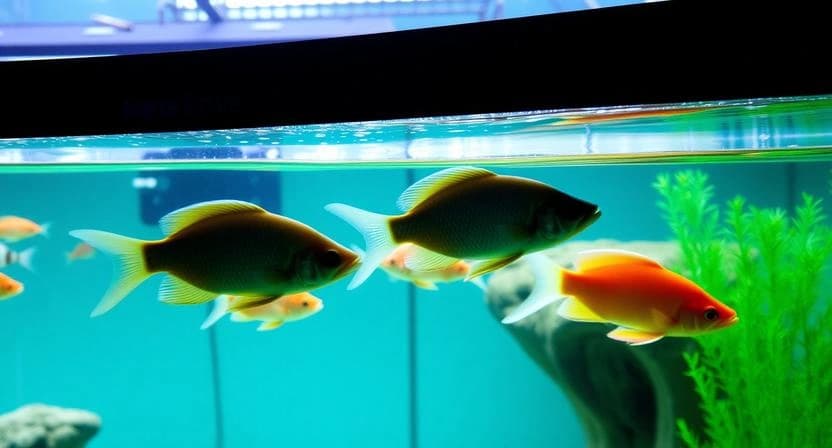
Bright lights can overwhelm recently acclimated fish and trigger hiding behavior that persists longer than necessary. Gradually return to normal lighting schedules over the first day.
Resist the urge to feed new fish immediately after introduction, even if they appear active and interested. Their digestive systems need time to adjust to the stress of transport and acclimation.
Offering food too soon often results in uneaten portions that decay and affect water quality. Most fish can comfortably go 24 hours without food while they settle in.
Monitor interactions between new fish and established tank residents carefully during the first days. Some territorial disputes are normal as fish establish hierarchy, but excessive aggression may require intervention.
Having a backup plan, such as a quarantine tank or divider, helps you respond quickly if conflicts escalate beyond normal adjustment behavior.
Observing Fish Behavior After Release
Healthy, successfully acclimated fish typically explore their new environment within the first few hours after release. They may initially stay near the bottom or hide among decorations, but should gradually venture out to investigate their surroundings.
Swimming patterns should appear smooth and coordinated, without wobbling, listing to one side, or struggling to maintain position.
Watch for normal breathing patterns once fish have had time to settle. Gills should move rhythmically at a steady pace appropriate for the species.
Rapid gill movement, gasping at the surface, or labored breathing suggests stress or water quality issues that need immediate attention. These signs may indicate acclimation problems or underlying health concerns.
Color intensity provides another indicator of successful adjustment. Most fish show their best colors when they feel secure and healthy.
Faded coloration or dark stress stripes may persist for the first day but should gradually improve. If color problems continue beyond 24 to 48 hours, investigate water parameters and environmental factors.
Feeding Schedule Adjustments
Wait at least 24 hours before offering food to newly introduced fish, giving their digestive systems time to recover from transport stress.
When you do begin feeding, start with small amounts to gauge appetite and ensure the fish have adjusted enough to eat normally. Uneaten food should be removed within a few minutes to prevent water quality degradation.
Some species may not eat for several days after introduction, particularly if they're shy or slow to adjust. Research your specific fish to understand normal behavior patterns.
Offer food at regular intervals but don't worry if they ignore it initially. Most healthy fish will begin eating within three to five days once they feel secure.
Observe feeding behavior carefully during the first week. Fish should show interest in food, compete normally with tank mates, and consume their portions eagerly.
Lack of appetite beyond the first few days may indicate health problems or continued stress from acclimation issues. Adjust your feeding strategy based on what you observe rather than following a rigid schedule.
Water Quality Maintenance in the First Week
Test your water parameters more frequently than usual during the first week after adding new fish. The increased bioload from additional inhabitants can affect nitrogen cycle stability, particularly in smaller or newer aquariums. Daily testing helps you catch any spikes in ammonia or nitrite before they become dangerous.
Perform a partial water change two to three days after introduction if your testing reveals any parameter concerns. A 20 to 25 percent change helps dilute accumulated wastes without creating drastic environmental shifts that could stress fish. Match the temperature and treat new water appropriately before adding it to your tank.
Watch for signs of disease during this vulnerable period when stress has potentially weakened immune systems. White spots, cotton-like growths, frayed fins, or unusual behavior patterns warrant immediate attention.
Early intervention often prevents minor issues from becoming serious health crises that affect your entire aquarium community.
Special Considerations for Different Fish Species
Not all fish require the same acclimation approach, and understanding species-specific needs helps you provide optimal care. Hardy community fish like danios, platies, and white clouds tolerate a wider range of conditions and adjust quickly to moderate parameter differences. These forgiving species often do well with basic float and drip methods that complete within an hour.
Sensitive species including discus, angelfish, and many catfish benefit from extended drip acclimation lasting two hours or more.
These fish come from stable environments in nature and react poorly to rapid changes. The extra time investment pays off in better coloration, normal behavior, and improved long-term health outcomes.
Invertebrates such as shrimp, snails, and freshwater clams rank among the most sensitive aquarium inhabitants when it comes to water chemistry changes.
Shrimp in particular can die from osmotic shock if acclimation happens too quickly. Plan for three-hour drip acclimation sessions when introducing these delicate creatures, and consider doing smaller batches if you're adding multiple individuals.
Saltwater fish generally require more careful acclimation than freshwater species due to the complexity of marine chemistry. Specific gravity, salinity, and trace element concentrations all affect marine fish physiology.
If you maintain a saltwater aquarium, extended drip acclimation combined with careful parameter matching becomes even more critical for success.
Proper fish acclimation represents a small time investment that yields tremendous benefits for your aquarium hobby. The techniques you've learned here apply to virtually any fish species, from the hardiest community fish to the most delicate exotic varieties.
By understanding the science behind acclimation and following proven methods, you give every new fish the best possible start in your care.
Remember that each successful acclimation builds your skills and confidence as a fishkeeper.
The patience and attention you demonstrate during these crucial first hours establishes a foundation for months or years of enjoyment watching healthy, vibrant fish thrive in your carefully maintained aquatic environment.