
How to Create a Budget-Friendly Quarantine Tank for New Fish

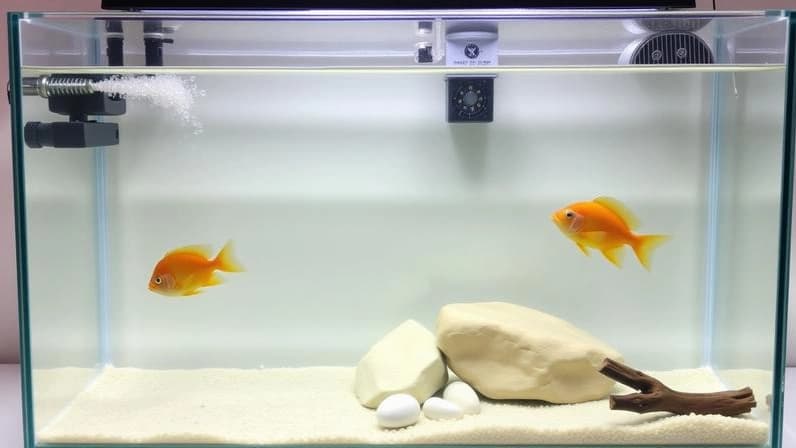
Budget quarantine tank setups are essential for protecting your main aquarium from diseases and parasites that new fish might carry.
You can create an effective budget quarantine tank for under $100 by using a basic 10-20 gallon tank, a simple sponge filter or hang-on-back filter, a reliable submersible heater, and minimal decorations.
This setup allows you to observe and treat new arrivals for at least two to four weeks before introducing them to your display tank, significantly reducing the risk of outbreaks.
Many hobbyists skip quarantine because of the extra cost and space, but the truth is that even a modest investment in a quarantine tank saves money in the long run.
Treating an entire infected community tank is far more expensive and stressful than preventing problems in the first place.
A well-planned budget quarantine tank gives you peace of mind and helps maintain the health of your entire collection.
Whether you're just starting with tropical fish or expanding an established setup, having a dedicated quarantine area is a smart, responsible practice.
The following guide walks you through everything you need to know to build and maintain one without overspending.
Why You Need a Quarantine Tank for New Fish
Bringing home new fish is exciting, but it also carries risks. Most aquarium diseases, such as ich, velvet, or bacterial infections, enter through newly purchased or wild-caught specimens.
A quarantine tank acts as a buffer zone, allowing you to monitor fish for signs of illness before they can spread pathogens to your main display.
Without quarantine, a single sick fish can trigger a costly and heartbreaking outbreak.
Treatment in a full community tank is challenging because medications can harm plants, invertebrates, or sensitive species. In contrast, a separate quarantine tank lets you treat aggressively if needed without affecting your main setup.
The observation period also helps new fish recover from transport stress. Many fish sold in stores have been through multiple moves, poor water conditions, or overcrowding.
Giving them time to regain strength in a controlled environment improves their chances of thriving long-term.
Finally, quarantine builds good habits. Once you establish the routine, it becomes second nature and protects your investment in both fish and equipment.
Budget Quarantine Tank Essentials: What You Really Need
You do not need an elaborate setup for effective quarantine. The core components are a tank, heater, filtration, and basic water testing tools. Skip anything decorative or high-tech that drives up costs without improving fish health.
Tank size is the biggest decision. A 10- to 20-gallon tank works well for most hobbyists because it provides enough water volume to maintain stable parameters while remaining easy to manage and store.
Smaller tanks are harder to stabilize, and larger ones are unnecessarily expensive.
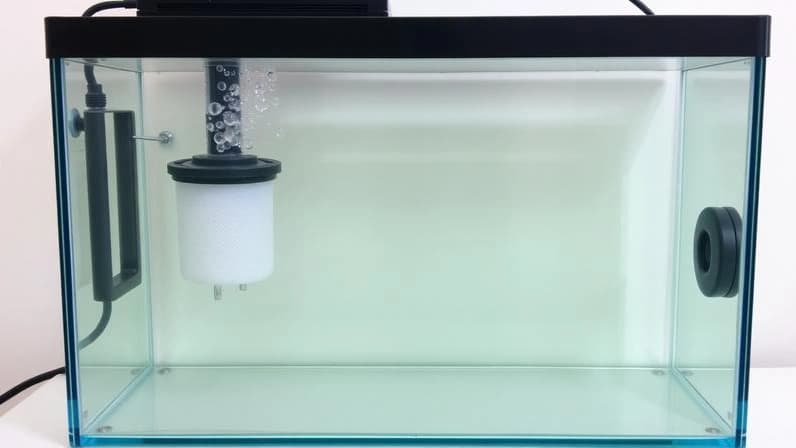
Filtration and heating are non-negotiable. A sponge filter powered by an air pump or a basic hang-on-back filter provides mechanical and biological filtration.
A reliable submersible heater maintains consistent temperature, which is critical for fish recovery and disease treatment.
Water testing is often overlooked in budget builds, yet it is one of the most important investments. Basic test kits for ammonia, nitrite, nitrate, and pH help you catch problems early.
Setting Up Your Budget Quarantine Tank Step by Step
Start by selecting a clean, unused tank. If you are buying second-hand, scrub it thoroughly with a new sponge and water (no soap). Rinse repeatedly until no residue remains.
Next, install filtration. For a sponge filter, attach it to an air pump and airline tubing. Hang-on-back filters are simpler to set up and often include a built-in heater slot. Place the filter in a corner to maximize swimming space.
Add a heater rated for the tank size. Position it near the filter outflow for even heat distribution. Set it to 78-80°F (26-27°C) for most tropical species. Always use a separate thermometer to verify accuracy.
Before adding fish, cycle the tank or use established filter media from your main tank. If cycling from scratch, add a small amount of ammonia source and monitor daily. This step ensures the biological filter is ready to handle waste.
Affordable Equipment Recommendations for a Quarantine Tank
Heat is critical, so invest in a quality heater even on a budget. Models like the Aqueon Pro or Tetra HT submersible heaters under $30 offer reliable performance and safety features.
For filtration, sponge filters are the cheapest and most effective option. Pair one with a basic air pump (under $15) for gentle water movement. Hang-on-back filters from brands like AquaClear or Tidal provide more power if you need it.
Water testing is essential. API Freshwater Master Test Kit is the gold standard and costs around $30-40, but it lasts years. Alternatively, start with strips for quick checks and upgrade to liquid tests later.
Aeration is often forgotten. A small air stone or bubbler ensures oxygen levels stay high, especially when treating with medications that reduce oxygen.
How to Maintain a Budget Quarantine Tank Effectively
Daily checks are simple: feed lightly, observe behavior, and remove uneaten food. Test ammonia and nitrite every few days to catch spikes early.
Water changes are your best tool for stability. Perform 25-50% changes every 3-7 days using conditioned, temperature-matched water. This dilutes waste and prevents parameter swings.
When treating fish, follow medication instructions carefully. Many treatments require daily water changes to remove excess chemicals. Keep a log of doses and observations.
Cleaning is minimal. Wipe algae from the glass and siphon debris during water changes. Avoid over-cleaning the filter to preserve beneficial bacteria.
Common Mistakes to Avoid When Creating a Budget Quarantine Tank
Skipping quarantine entirely is the most dangerous mistake. Even “healthy-looking” fish can carry parasites or bacteria. Always assume new arrivals need observation.
Using a tank that is too small is another frequent error. Tanks under 10 gallons are hard to stabilize and can stress fish further. Aim for at least 10 gallons.
Neglecting cycling is risky. Adding fish to uncycled water causes ammonia poisoning. Always cycle or seed the tank with established media.
Overstocking the quarantine tank defeats the purpose. Keep it sparsely populated so you can monitor individuals closely.
Tips to Save Even More Money on Your Quarantine Setup
Second-hand equipment is a goldmine if you clean and inspect it carefully. Check online marketplaces, aquarium clubs, or local stores for gently used tanks and filters.
DIY hiding spots are easy and free. Use PVC pipe sections, terracotta pots, or smooth river rocks collected from nature (boiled first to sterilize).
Buy supplies in bulk when possible. Conditioner, salt, and basic medications last a long time and are cheaper per unit in larger bottles.
Shop sales and compare prices online. Many retailers offer discounts during holidays or have loyalty programs that add up.
Building a budget quarantine tank is a smart step that protects your fish and your wallet. With the right basics in place, you can keep new arrivals safe and healthy without breaking the bank. Your main tank will thank you for the extra care.
Have you set up a quarantine tank before? What budget-friendly tricks worked best for you?
Share your experiences in the comments below or pass this guide along to another hobbyist who might need it.