
How to Create a Sustainable Budget Aquarium Ecosystem

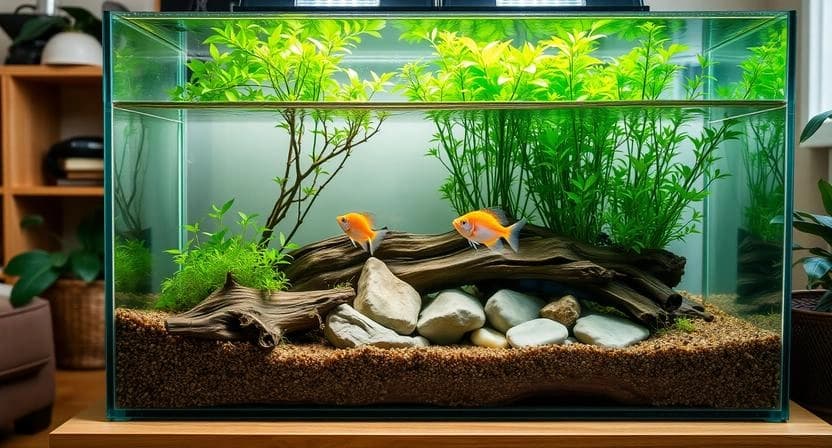
A sustainable budget aquarium is entirely possible when you prioritize natural processes, choose hardy species, and invest wisely in energy-efficient equipment.
You can build a thriving, low-maintenance ecosystem that costs far less than traditional setups while remaining environmentally responsible and visually stunning.
Many beginners assume that a beautiful, stable aquarium requires expensive gear and constant interventions. In reality, by focusing on biological balance and simple, cost-effective solutions, you achieve long-term stability without breaking the bank.
The key lies in understanding how nature works inside a closed system and replicating those principles on a smaller scale.
This guide walks you through every step of creating a sustainable budget aquarium that looks professional and functions reliably.
You will discover practical choices that reduce both upfront and ongoing costs while supporting fish health, plant growth, and water quality.
What is a Sustainable Budget Aquarium?
A sustainable budget aquarium combines ecological balance with financial sensibility.
It relies on natural filtration, live plants, and compatible inhabitants to maintain water parameters with minimal external inputs.
You avoid frequent water changes and chemical additives by allowing beneficial bacteria, plants, and detritivores to handle waste.
This approach not only lowers costs but also creates a more stable environment for your aquatic pets.
The budget aspect means selecting affordable yet effective equipment, choosing hardy species that thrive without special care, and incorporating DIY elements where safe. The result is an ecosystem that runs smoothly for years with very little ongoing expense.
Many hobbyists discover that a sustainable setup often ends up cheaper than flashy, high-tech alternatives that require constant maintenance and replacement parts.
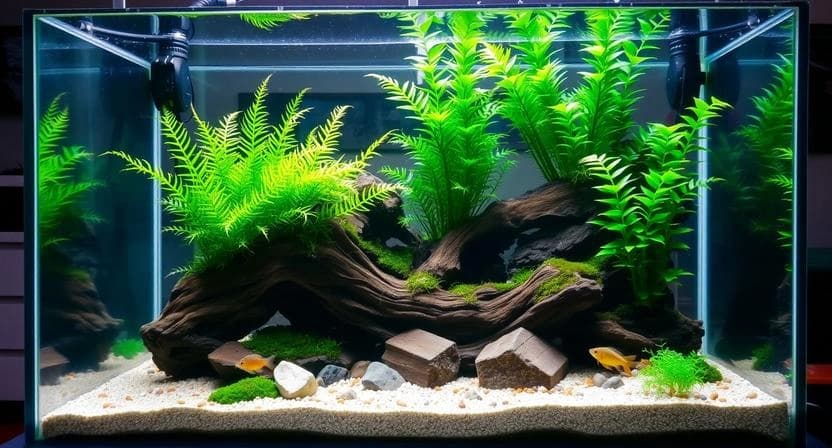
Planning Your Sustainable Budget Aquarium
Start by defining what you want from your aquarium. Do you prefer a peaceful community tank, a nano setup with shrimp, or a planted display focused on greenery? Clear goals help you avoid impulse purchases.
Tank size matters more than most beginners realize. A 20-gallon or larger tank offers greater stability and forgiveness for mistakes compared to smaller volumes.
Larger water volume dilutes waste and provides more space for plants and hiding spots.
Research compatible species early. Look for fish that share similar temperature, pH, and temperament requirements.
Hardy, low-maintenance options like guppies, tetras, or corydoras make excellent starters for a sustainable budget aquarium.
Sketch a rough layout on paper or use free online planners. Consider plant placement, hardscape positioning, and flow patterns before buying anything.
Essential Equipment for a Sustainable Budget Aquarium
Focus on energy-efficient components that last. A sponge filter powered by an air pump uses very little electricity and provides excellent biological filtration without the high cost of canister filters.
Choose LED lighting designed for planted tanks. Mid-range models with adjustable spectrum offer good plant growth without the premium price tag of high-end brands.
Substrate does not need to be expensive. Plain gravel, sand, or even a mix of both works well when paired with root-feeding plants. Add a thin layer of nutrient-rich soil only where heavy root feeders will grow.
Hardscape such as driftwood and rocks can be sourced affordably from reputable sellers or collected responsibly (check local regulations first). These elements provide hiding places and surface area for beneficial bacteria.
Selecting Fish and Invertebrates for a Sustainable Budget Aquarium
Prioritize hardy, forgiving species. Endler's livebearers, cherry shrimp, and nerite snails handle minor water fluctuations and help control algae naturally.
Avoid overstocking at all costs. A good rule of thumb is one inch of fish per gallon, but plants and good filtration allow slightly higher bioloads in a sustainable budget aquarium.
Start with a small school of peaceful fish. Options like ember tetras, pygmy corydoras, or chili rasboras bring movement without overwhelming the tank or your wallet.
Invertebrates add both function and interest. A few amano shrimp or malaysian trumpet snails keep the substrate clean and contribute to the ecosystem.
Building a Natural and Low-Cost Planted Aquarium
Live plants are the cornerstone of a sustainable budget aquarium. Easy species such as java fern, anubias, vallisneria, and hornwort grow quickly and require minimal care.
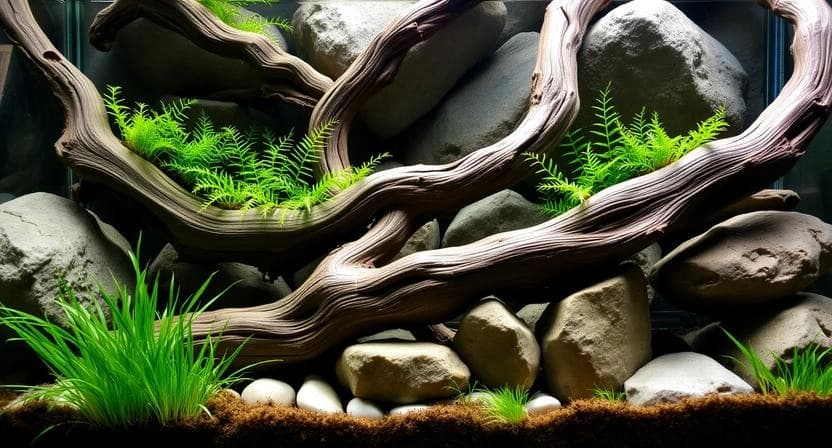
Attach low-light plants to driftwood or rocks instead of burying them. This saves on expensive root tabs and prevents substrate disturbance.
Use natural fertilization methods. Fish waste and decaying plant matter provide most nutrients. Add a few floating plants like frogbit or salvinia to absorb excess nitrates.
Patience pays off. Allow plants to establish for several weeks before adding fish. A well-planted tank becomes more stable and visually appealing over time.
Water Management for a Sustainable Budget Aquarium
Cycle the tank naturally using fishless methods or a handful of hardy starter fish. Add ammonia source and beneficial bacteria culture to kickstart the nitrogen cycle without harming inhabitants.
Perform small, frequent water changes rather than large infrequent ones. Ten to twenty percent weekly keeps parameters stable with less stress on the ecosystem.
Test water parameters regularly but affordably. Basic test strips provide sufficient information for most low-tech setups.
Monitor temperature with a reliable thermometer. Most tropical species thrive between 75-80°F (24-27°C), so a simple heater usually suffices.
Maintenance Tips to Keep Your Sustainable Budget Aquarium Thriving
Establish a consistent routine. Weekly tasks include trimming plants, removing uneaten food, and checking equipment.
Control algae naturally by balancing light duration (8-10 hours daily) and nutrient levels. Fast-growing stem plants outcompete algae for resources.
Address issues promptly but gently. A sudden algae bloom often signals too much light or nutrients; adjust gradually.
Clean filter media in old tank water to preserve beneficial bacteria. Never rinse sponge filters in tap water.
DIY Solutions to Make Your Sustainable Budget Aquarium Even Cheaper
Create filter media from household items. Use a plastic bottle, airline tubing, and sponge to build an efficient sponge filter.
Propagate plants easily. Snip and replant java fern, anubias, or stem plants to fill the tank without additional purchases.
Repurpose safe items like ceramic mugs or slate tiles for caves and shelves. Ensure they are aquarium-safe and free of contaminants.
Common Mistakes to Avoid in a Sustainable Budget Aquarium
Adding too many fish too soon disrupts the biological balance and leads to ammonia spikes.
Choosing delicate species that require precise parameters defeats the purpose of a low-maintenance setup.
Over-relying on chemical additives instead of natural processes creates dependency and higher costs.
Neglecting plant growth. Healthy plants are your best filtration system.
Creating a sustainable budget aquarium requires thoughtful planning, patience, and a willingness to let nature do most of the work.
The reward is a beautiful, low-maintenance ecosystem that brings years of enjoyment without constant expense or effort.
You will find that once established, these tanks practically run themselves. The satisfaction of watching a self-sustaining miniature world flourish in your home is hard to beat.
If you have already built or are planning your own sustainable budget aquarium, share your experiences in the comments below.
Which plant or fish became your favorite? Your insights could help another reader on their journey.