
How to Plan a Budget Aquarium Before Buying Anything

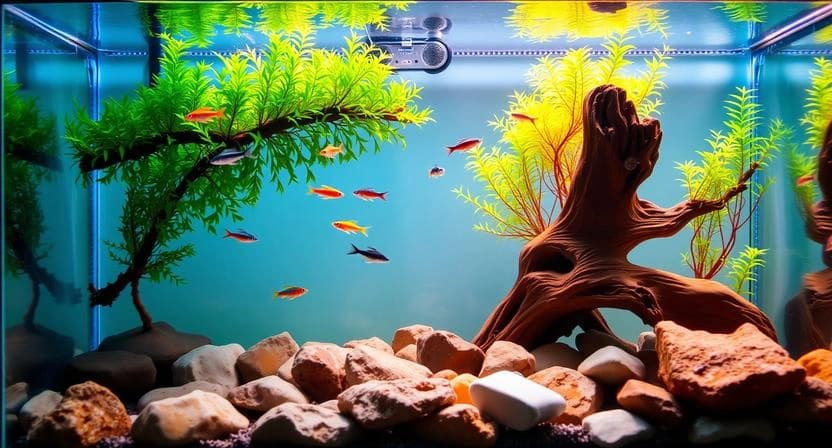
How to Plan a Budget Aquarium is the smartest first step you can take in fishkeeping. By carefully outlining your goals, budget, and equipment needs upfront, you can set up a thriving tank for $250–$500 initially (depending on size), while avoiding hundreds in corrections later. This approach prevents impulse buys, mismatched gear, and common pitfalls that overwhelm beginners.
Many people jump in without preparation, only to face skyrocketing costs from poor choices or tank crashes.
Planning transforms the hobby from stressful to rewarding, ensuring stable water parameters and healthy inhabitants from day one. In this guide, you'll discover practical ways to build an affordable, sustainable setup.
With thoughtful research and phased purchases, you gain control over expenses and create a beautiful aquatic environment that fits your lifestyle.
Why Planning Is Essential for a Budget Aquarium
Jumping straight into purchases often leads to regret in the aquarium hobby. Beginners frequently overlook how small decisions compound into major expenses, turning a modest project into an overwhelming financial burden.
The difference between a planned setup and an unplanned one can easily reach several hundred dollars. A well-thought-out approach lets you prioritize quality where it matters most, like reliable filtration, while skipping unnecessary extras.
Impulse buys at the pet store, such as fancy decorations or oversized lights, drain budgets quickly without improving fish health. Planning shifts focus to long-term success rather than short-term excitement.
By mapping everything ahead, you build confidence and reduce stress. This method also encourages learning about fish needs, water chemistry, and maintenance, setting a strong foundation for enjoyment.
Common Expensive Mistakes Beginners Make
Rushing to buy fish before cycling the tank tops the list of costly errors. Adding inhabitants too soon causes ammonia spikes, fish loss, and repeated restocking expenses.
Opting for the smallest tank possible seems thrifty at first but proves problematic. Tiny volumes fluctuate wildly in temperature and parameters, demanding more frequent interventions and higher risk.
Choosing cheap, undersized filters or heaters leads to failures within months. Replacement costs accumulate, often exceeding the price of better initial equipment.
How Proper Planning Saves Hundreds of Dollars
Detailed budgeting reveals where money truly goes, allowing you to allocate funds wisely. For instance, investing in a slightly larger tank often reduces long-term costs through better stability.
Researching brands and sales in advance secures deals on essentials. Waiting for seasonal promotions or checking second-hand options can cut initial outlay significantly.
Planning also prevents redundant purchases. You buy only what's needed, avoiding duplicates or incompatible items that gather dust.
The True Cost of Impulse Aquarium Purchases
Those spontaneous additions, like colorful gravel or extra ornaments, add up fast without enhancing the ecosystem. Many end up discarded when they interfere with cleaning or water flow.
Unplanned livestock choices force upgrades, such as larger tanks for growing fish. This cycle repeats until the setup stabilizes, inflating total spend.
How to Plan a Budget Aquarium: Defining Your Goals First
Start by clarifying exactly what kind of aquarium experience you want. This foundational step shapes every subsequent decision and keeps your project aligned with your resources.
Consider lifestyle factors like available space, time for maintenance, and interest in specific species. A clear vision prevents mismatched setups that become burdensome.
Freshwater offers the most accessible entry point for budget-conscious hobbyists. Planted tanks add beauty but require extra planning for lighting and nutrients.
Decide Between Freshwater, Planted or Nano Reef
Freshwater community tanks suit beginners best with hardy fish and lower costs. Planted setups demand more upfront investment in substrate and lights but create stunning visuals.
Nano reefs appeal to those drawn to corals, yet they carry higher equipment demands and ongoing expenses. Evaluate your commitment level honestly before choosing.
Choose Your Target Fish Species Early
Research species compatibility, adult size, and temperament. Small schooling fish like tetras thrive in groups and stay affordable long-term.
Avoid aggressive or large-growing types that outpace your planned tank size. This foresight avoids rehoming or costly expansions.
Determine the Maximum Size You're Willing to Maintain
Be realistic about weekly water changes and cleaning time. Larger tanks provide stability but require more effort and space.
A mid-range size often strikes the best balance between forgiveness and manageability for most people.

Setting a Realistic Budget for Your Aquarium Project
Establishing a firm financial limit prevents overspending and keeps the hobby enjoyable. Break costs into categories to see the full picture clearly.
Current market trends in 2026 show beginner freshwater setups ranging from $250 for basic 10-gallon tanks to $500+ for 29-40 gallon options with quality gear.
Include a buffer for unexpected needs, like test kits or minor adjustments. This cushion provides peace of mind.
Recommended Budget Ranges for Different Tank Sizes
A 10-gallon setup typically costs $200–$300 complete. Mid-size 20–29 gallon tanks fall in the $350–$500 range.
Larger 40-gallon options start around $500–$700 but offer better value over time due to stability.
Breaking Down Essential vs Optional Expenses
Prioritize tank, filter, heater, and basic lighting as must-haves. Test kits and water conditioner rank high for health monitoring.
Decorations, advanced plants, or specialty substrates count as optional enhancements that can wait.
Hidden Costs Most Beginners Forget
Electricity for running equipment adds up monthly. Water treatments, food, and occasional replacements contribute to ongoing expenses.
Choosing the Right Tank Size for Your Budget
Tank size influences everything from stability to stocking options. Larger volumes forgive mistakes more readily, making them surprisingly budget-friendly long-term.
Beginners often underestimate how quickly small tanks become challenging. Mid-range sizes provide room to grow without overwhelming maintenance.
Consider your available floor space and furniture strength. A secure stand prevents disasters.
Why Bigger Is Often Cheaper in the Long Run
Greater water volume dilutes waste, reducing parameter swings and intervention frequency. This stability lowers stress on fish and equipment.
You can stock more appropriately sized groups, avoiding upgrades sooner.
Best Budget-Friendly Sizes (10g, 20g, 29g, 40g)
10-gallon tanks suit nano setups or limited space. 20-gallon long offers good surface area.
29-gallon classics provide versatility. 40-gallon breeders excel for community tanks.
When to Avoid Very Small or Very Large Tanks
Nano tanks under 10 gallons demand constant attention. Massive tanks exceed most beginners' time and budget.
Essential Equipment You Actually Need (and What You Can Skip)
Focus on reliable basics that support life reliably. Quality in filtration and temperature control matters more than aesthetics early on.
Research brands known for durability within your price range. Avoid ultra-cheap options that fail prematurely.
Filter Options Ranked by Cost vs Performance
Hang-on-back filters offer simplicity and affordability. Sponge filters excel in gentle flow for fry.
Canister filters provide superior mechanical and biological filtration for larger tanks.
Heater, Lighting and Air Pump – Priorities & Alternatives
Submersible heaters maintain stable temperatures in most setups. Basic LED lights suffice for freshwater fish.
Air pumps enhance oxygenation but aren't always mandatory with good surface agitation.
Substrates, Decor and Plants: Smart Budget Choices
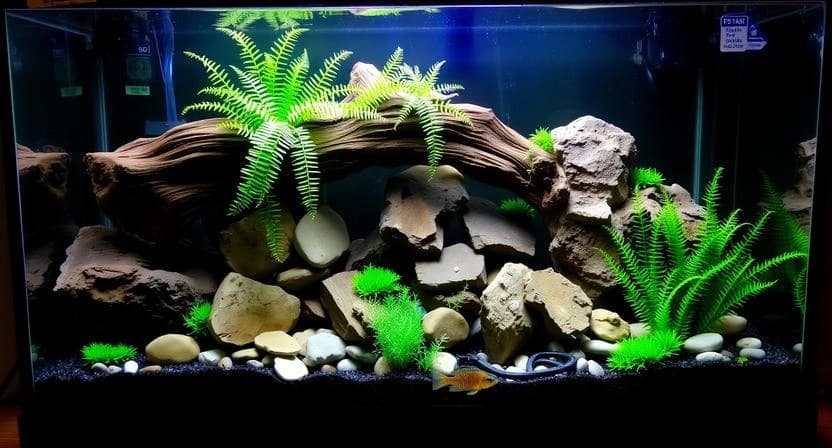
Inert gravel or sand keeps costs low. Hardy plants like java fern add natural appeal inexpensively.
Researching and Selecting Budget-Friendly Fish & Invertebrates
Choose hardy, small-growing species that thrive in community settings. This keeps stocking costs low and compatibility high.
Local stores and online forums provide current availability and pricing insights.
Hardy Beginner Species That Stay Small
Neon tetras, guppies, and corydoras offer vibrant colors and peaceful behavior. They adapt well to varied conditions.
Fish to Avoid When You're on a Tight Budget
Large-growing or aggressive types like oscars demand frequent upgrades. Delicate species increase replacement risks.
Group Size Recommendations for Compatibility & Cost
Schooling fish need minimum groups of 6–8 for natural behavior. This prevents stress without excessive expense.
Where to Find the Best Deals on Aquarium Supplies
Smart shopping stretches your budget significantly. Compare multiple sources for the best value.
Seasonal sales and bundles often yield substantial savings.
Online vs Local Fish Stores – Pros and Cons
Online retailers provide competitive pricing and reviews. Local stores allow inspection and immediate pickup.
Seasonal Sales and Second-Hand Market Opportunities
Holiday promotions and dollar-per-gallon events offer tanks at fraction of regular cost. Check local marketplaces carefully.
Trusted Budget Brands Worth Considering in 2025–2026
Aqueon, Tetra, and Nicrew deliver reliable performance affordably. Fluval offers quality upgrades.
Creating a Step-by-Step Purchase Timeline
Phased buying prevents overwhelm and allows observation between steps. This method reveals any adjustments needed early.
Follow a logical sequence for smooth progression.
Phase 1: Tank, Stand and Filtration (Week 1–2)
Secure the foundation first. Test for leaks before adding anything else.
Phase 2: Substrate, Heater, Lighting (Week 3–4)
Add base layers and temperature/lighting controls. Monitor stability.
Phase 3: Cycling + First Hardy Inhabitants (Week 5+)
Complete the nitrogen cycle patiently. Introduce resilient species gradually.
Maintenance Costs You Should Plan For Long-Term
Ongoing expenses remain modest with good planning. Freshwater setups average $10–$20 monthly.
Budget for consistency to maintain health.
Monthly Expenses: Food, Electricity, Water Treatments
Quality flakes or pellets cost little. Electricity runs $5–$10 depending on equipment.
Conditioners and occasional additives round out the budget.
Annual Costs: Filter Media, Test Kits, Plant Trimming
Replace media yearly. Refresh test kits as needed.
Emergency Fund Recommendation for New Aquarists
Set aside $50–$100 for unexpected issues like heater failure.
Final Checklist Before You Spend a Single Dollar
Review your goals, budget, and research one last time. Confirm space, time commitment, and compatibility.
Double-check all components for compatibility.
Common Budget Aquarium Questions Answered
Address frequent concerns to clarify doubts. This helps solidify your plan.
You now hold the tools to create an affordable, successful aquarium. Share this guide with fellow enthusiasts who might benefit from structured planning, or drop a comment below about your dream budget setup — what size and fish are you eyeing? Your experiences could inspire someone else's perfect start!