
How to Reduce Algae Growth in Direct Sunlight Aquariums

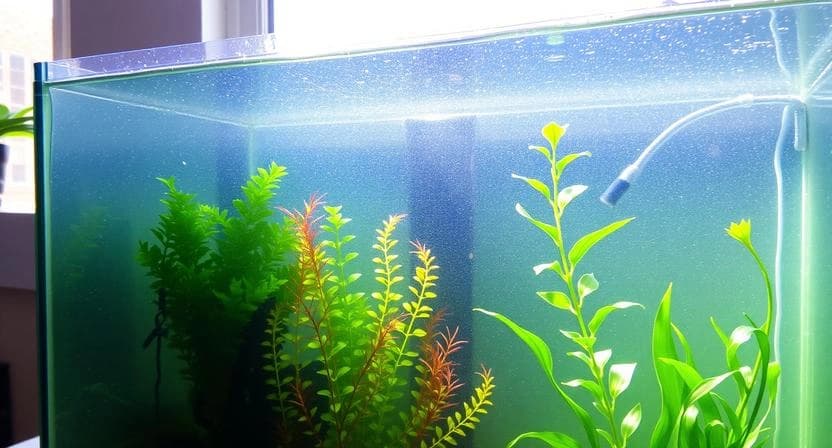
Managing algae sunlight aquarium challenges is one of the most common concerns for fishkeepers who place their tanks near windows or in brightly lit rooms.
The most effective way to reduce algae growth in direct sunlight aquariums is to limit light exposure to 6-8 hours daily, relocate the tank away from direct sun, and maintain proper water quality through regular maintenance and nutrient control.
While natural light creates a beautiful aesthetic for your aquarium, it also provides ideal conditions for rapid algae development that can quickly overwhelm your tank ecosystem.
Understanding the relationship between sunlight and algae growth helps you implement targeted strategies that address the root causes rather than just treating symptoms.
Direct sunlight delivers far more intense light energy than standard aquarium lighting, accelerating photosynthesis in algae cells and creating the perfect environment for these organisms to multiply.
The good news is that with proper planning and consistent maintenance routines, you can successfully maintain a healthy, algae-controlled aquarium even in sunlit locations.
This comprehensive guide walks you through proven methods to prevent algae aquarium light problems while keeping your fish healthy and your tank visually appealing.
From strategic tank placement to biological control methods, you'll discover practical solutions that work together to create an environment where algae struggles to gain a foothold. Whether you're setting up a new tank or addressing existing algae issues, these techniques will help you achieve the balanced ecosystem your aquatic pets deserve.
Understanding Why Sunlight Causes Algae in Aquariums
Sunlight creates the perfect storm of conditions that promote explosive algae growth in aquariums, making it significantly more challenging to maintain water clarity compared to tanks lit only by artificial sources.
The fundamental issue stems from the fact that algae are photosynthetic organisms that convert light energy into biological growth, and sunlight provides an abundance of this energy in a spectrum that algae utilize extremely efficiently.
When your aquarium receives direct sunlight, even for just a few hours daily, you're essentially providing an all-you-can-eat buffet of light energy that algae readily consume.
The intensity and duration of natural sunlight exposure directly correlate with the severity of algae problems you'll encounter in your tank.
Unlike controlled artificial lighting that you can program and adjust, sunlight intensity varies throughout the day and changes with seasons, making it unpredictable and difficult to manage. Morning sun might seem gentle, but as it intensifies through midday, your aquarium receives exponentially more light energy than algae need to thrive.
Temperature fluctuations caused by direct sunlight compound the problem by creating additional stress on your aquarium's ecosystem. Warmer water holds less dissolved oxygen and can accelerate metabolic processes in algae, allowing them to reproduce faster than in stable, cooler environments.
This combination of intense light and temperature variation creates conditions where algae outcompete beneficial organisms for nutrients and space.
Understanding these fundamental causes helps you appreciate why simply scrubbing algae off glass surfaces provides only temporary relief.
Without addressing the underlying light exposure issues, you'll find yourself fighting a losing battle against organisms that evolved over billions of years to excel at converting sunlight into rapid growth.
The Role of Light Intensity in Algae Development
Light intensity measures the amount of energy delivered to your aquarium in a given time period, and sunlight delivers dramatically higher intensity than most artificial aquarium lights.
Direct sunlight can provide 10,000 to 100,000 lux depending on time of day and weather conditions, while typical aquarium lights deliver 2,000 to 5,000 lux. This massive difference means that even brief periods of direct sun exposure can trigger algae blooms that persist long after the sun moves away from your tank.
Algae species have adapted to thrive across various light intensities, but most common aquarium algae prefer the high-intensity conditions that sunlight provides.
The chlorophyll and other photosynthetic pigments in algae cells absorb light energy with remarkable efficiency, converting it into the chemical energy they need for growth and reproduction. When light intensity exceeds what your desired aquarium plants can utilize, excess energy becomes available for algae to exploit.
The depth of light penetration in your aquarium also affects where algae colonize and how quickly they spread throughout your tank. Intense sunlight penetrates deeper into the water column than artificial lighting, allowing algae to establish itself on substrate, decorations, and plant leaves at all levels. This complete coverage makes manual removal more time-consuming and less effective as a long-term control strategy.
How Photosynthesis Fuels Algae Growth
Photosynthesis is the biological process that converts light energy, carbon dioxide, and water into glucose and oxygen, providing algae with the fuel they need to multiply rapidly.
In your sunlight-exposed aquarium, algae conduct photosynthesis at accelerated rates due to the abundant light energy available, creating more cellular building blocks than they could produce under standard lighting conditions.
This increased production rate translates directly into faster reproduction and denser algae populations that can quickly coat every surface in your tank.
The efficiency of algae photosynthesis varies among species, but many common aquarium algae have evolved to maximize energy capture from the full spectrum of sunlight.
Unlike higher plants that may struggle to adapt to varying light conditions, algae populations often include multiple species that collectively exploit different wavelengths and intensities of light.
This diversity means that even if you manage to control one type of algae, another species may emerge to take advantage of the available sunlight.
Carbon dioxide availability in your aquarium water also influences how effectively algae can conduct photosynthesis and grow. Fish respiration and organic decomposition provide CO2 that algae readily absorb, and when combined with intense sunlight, this creates ideal conditions for runaway growth.
The balance between CO2, light, and nutrients determines whether your desired plants or nuisance algae will dominate your aquarium ecosystem.
Natural vs. Artificial Light Differences
Natural sunlight differs fundamentally from artificial aquarium lighting in spectrum, intensity, and consistency, making it far more challenging to control for algae management purposes.
Sunlight contains the complete visible spectrum plus ultraviolet and infrared wavelengths, providing algae with access to every photosynthetic wavelength they've evolved to utilize over millions of years. Aquarium lights typically emphasize specific wavelengths beneficial for fish coloration and plant growth while minimizing wavelengths that primarily fuel algae development.
The dynamic nature of sunlight creates unpredictable conditions that stress both your aquarium inhabitants and your efforts to maintain stability.
Cloud cover, seasonal changes in sun angle, and weather patterns all affect the amount and quality of light reaching your tank throughout the year. This variability prevents you from establishing the consistent photoperiod that both fish and beneficial plants need for optimal health and growth.
Artificial lighting systems give you complete control over duration, intensity, and spectrum, allowing you to create conditions that favor your desired organisms over algae.
Timer-controlled LED or fluorescent lights maintain consistent photoperiods that regulate plant growth cycles and fish behavior patterns while limiting the total light energy available for algae exploitation.
This predictability makes it far easier to maintain the delicate balance necessary for a healthy, algae-resistant aquarium ecosystem.
Types of Algae That Thrive in Sunlight-Exposed Tanks
Different algae species colonize sunlight aquarium environments based on their specific adaptations and competitive advantages under high-light conditions.
Recognizing the types of algae invading your tank helps you understand which control methods will prove most effective, since each species responds differently to environmental modifications and treatment approaches.
Most sunlit aquariums develop multiple algae types simultaneously, creating complex ecosystems that require comprehensive management strategies rather than single-solution approaches.
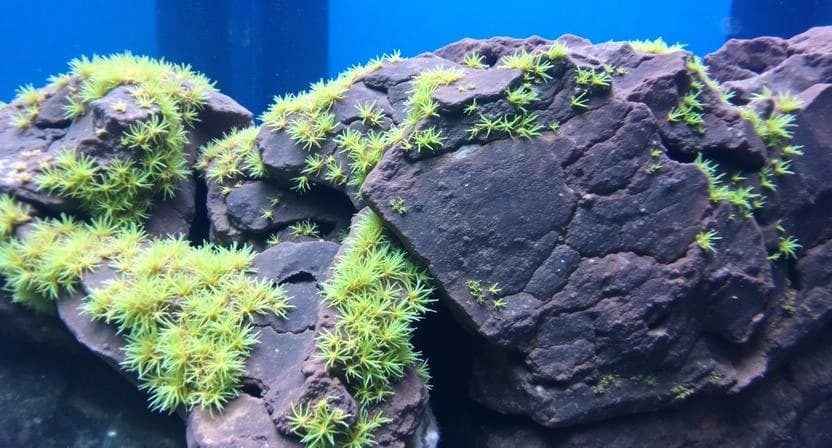
The appearance, texture, and growth patterns of algae provide valuable clues about water quality issues and light exposure problems in your aquarium.
Some species indicate excess nutrients, while others signal problems with water circulation or filtration efficiency. By learning to identify the algae types in your tank, you gain insight into underlying problems that need correction to achieve long-term control.
Seasonal variations in sunlight exposure often trigger shifts in algae populations as different species gain competitive advantages during different times of year.
Spring and summer typically bring more intense algae problems due to stronger, longer-duration sunlight, while fall and winter may see reduced growth rates even without intervention. Understanding these patterns helps you anticipate problems and implement preventive measures before algae populations explode.
Green Algae and Its Characteristics
Green algae represents the most common type found in sunlight-exposed aquariums, appearing as fuzzy growth on glass, decorations, and plant surfaces or as suspended particles that cloud your water.
These organisms range from single-celled species that create green water to filamentous types that form hair-like strands across your tank surfaces. The vibrant green color comes from chlorophyll pigments that efficiently capture light energy across much of the visible spectrum.
Glass surfaces facing direct sunlight typically develop thick coatings of green algae that obscure your view and indicate excessive light exposure combined with available nutrients.
While some green algae species actually benefit aquarium ecosystems by producing oxygen and consuming nitrates, uncontrolled growth quickly becomes unsightly and problematic.
The rapid reproduction rate of green algae under sunlight conditions means that small patches can spread to cover entire surfaces within days if left unchecked.
Free-floating green algae cause the distinctive pea-soup appearance that can make your aquarium water completely opaque within hours under ideal growth conditions.
This suspended growth form proves particularly frustrating because it reproduces so rapidly that mechanical filtration cannot keep pace with new cell production. The presence of green water algae almost always indicates that your tank receives too much light relative to the nutrient consumption capacity of beneficial plants.
Blue-Green Algae (Cyanobacteria)
Blue-green algae, technically classified as cyanobacteria rather than true algae, form slimy sheets that spread across substrate, decorations, and plant leaves in sunlight aquarium setups.
These organisms appear blue-green, dark green, or sometimes reddish-brown, and they produce a distinctive unpleasant odor when disturbed or removed from the tank.
Cyanobacteria thrive in conditions with intense light, stagnant water flow, and excess organic nutrients, making sunlit aquariums with inadequate circulation particularly vulnerable.
The sheet-like growth pattern of cyanobacteria allows them to smother beneficial plants by blocking light and physically covering leaf surfaces.
Unlike other algae types that typically attach to surfaces without completely coating them, cyanobacteria form continuous blankets that can suffocate everything underneath. This aggressive growth strategy makes them particularly problematic in tanks that receive direct sunlight for extended periods.
Controlling blue-green algae requires addressing multiple factors simultaneously, including light exposure reduction, improved water circulation, and organic waste removal.
These organisms can fix nitrogen from the water, giving them a competitive advantage in low-nitrate environments where other algae might struggle.
The combination of photosynthetic and nitrogen-fixing capabilities makes cyanobacteria exceptionally resilient once established in favorable conditions.
Brown Algae in New Aquarium Setups
Brown algae, consisting primarily of diatoms, commonly appears in new aquariums as a dusty brown coating on all surfaces, particularly in tanks positioned where they receive some natural light.
These single-celled organisms use silica from water and substrate to build protective cell walls, creating the characteristic brown or golden-brown appearance.
While brown algae typically resolves naturally as aquariums mature and beneficial bacteria populations establish, sunlight exposure can prolong its presence.
New aquarium setups lack the established biological filtration and plant growth that compete with algae for nutrients and light energy.
During this vulnerable establishment period, any sunlight exposure accelerates brown algae development beyond what you'd see in properly lit tanks using only artificial lighting.
The dusty coating easily wipes away from smooth surfaces but quickly returns if underlying conditions remain favorable for growth.
Brown algae generally indicates higher silicate levels in your water, which may come from tap water, new substrate, or decorative rocks.
As your aquarium matures and silicate levels decrease through water changes and consumption by diatoms, brown algae populations typically decline naturally.
However, continued sunlight exposure can sustain brown algae growth longer than necessary by providing excess light energy that offsets the declining nutrient availability.
Optimal Tank Placement to Minimize Algae Sunlight Aquarium Problems
Strategic aquarium placement represents your first and most powerful defense against sunlight-induced algae growth, preventing problems before they start rather than fighting constant battles after algae establish themselves.
The location you choose for your tank determines baseline light exposure that either sets you up for success or guarantees ongoing maintenance challenges.
Ideal placement balances aesthetic considerations with practical needs for light control, temperature stability, and convenient access for regular maintenance tasks.
Rooms with northern exposures in the Northern Hemisphere receive indirect, diffused light throughout the day without direct sun beams hitting your aquarium.
This gentle illumination provides enough ambient light to view your fish comfortably while minimizing the intense energy that fuels rapid algae growth.
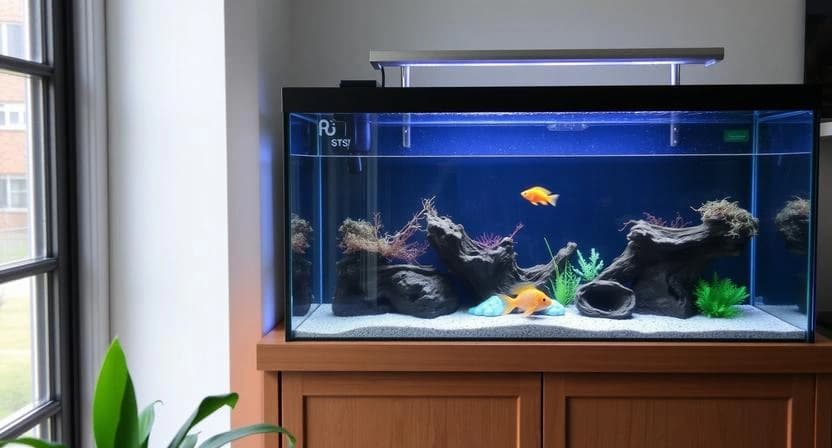
Eastern windows deliver morning sun that's generally less intense than afternoon rays, making them a better choice than western or southern exposures if you must position your tank near windows.
Distance from windows dramatically affects the amount of direct sunlight reaching your aquarium, with even a few feet of separation significantly reducing light intensity.
Placing your tank perpendicular to windows rather than directly in front of them limits exposure to direct beams while still allowing you to enjoy natural room lighting.
Corner placements or positions along walls without windows provide maximum control over light exposure since you'll rely entirely on artificial lighting that you can regulate precisely.
Consider furniture arrangements, curtains, and room traffic patterns when selecting your aquarium location to ensure the spot remains practical long-term.
A beautiful location that receives excessive sunlight or proves difficult to access for water changes and cleaning will create ongoing frustration that diminishes your enjoyment of the hobby.
Taking time to evaluate multiple potential locations before setting up your tank saves countless hours of algae management work later.
Light Management Strategies for Sunlit Aquariums
Controlling the amount and duration of light exposure your aquarium receives forms the cornerstone of effective algae prevention in locations where you cannot completely eliminate sunlight.
Even if you cannot relocate your tank away from windows, implementing smart light management practices dramatically reduces algae growth potential.
The key lies in recognizing that total daily light exposure matters more than instantaneous intensity, allowing you to compensate for unavoidable sunlight with careful artificial lighting control.
Combining physical barriers with lighting schedules creates layered defense against excessive light that gives you flexibility to adapt to seasonal changes and varying sun positions throughout the year.
No single strategy eliminates all algae risk in sunlit locations, but multiple complementary approaches work together to keep growth manageable.
The effort invested in establishing good light management habits pays dividends through clearer water, healthier plants, and reduced time spent scraping algae from surfaces.
Monitoring your aquarium's response to implemented light control measures helps you fine-tune strategies for your specific situation and gradually dial in the optimal balance.
What works perfectly in one location may need adjustment in another due to differences in window orientation, surrounding landscape features, and seasonal weather patterns.
Patience and observation during the first few months after implementing changes reveal whether your chosen strategies effectively control aquarium algae or require modification.
Controlling Duration of Light Exposure
Limiting total daily light exposure to 6-8 hours prevents algae from accumulating enough energy to sustain rapid growth even when light intensity remains relatively high.
This photoperiod mimics natural tropical environments where aquarium fish originate, supporting their biological rhythms while restricting algae development.
If your tank receives 3-4 hours of direct sunlight daily, you should reduce artificial lighting to only 3-4 hours to maintain the optimal total exposure time.
Splitting your artificial lighting period into two shorter sessions separated by several dark hours can help control certain algae types while maintaining enough total light for plants to thrive.
This interrupted photoperiod disrupts algae metabolism without harming higher plants that can store energy and tolerate brief dark periods. However, this strategy requires careful timing to ensure your fish receive adequate light during active periods and appropriate darkness for rest.
Consistency in lighting schedules proves just as important as total duration since irregular photoperiods stress fish and create windows of opportunity for algae during extended light periods.
Using timers for artificial lighting ensures reliable on-off cycles regardless of your daily schedule and prevents accidental extended light exposure. Even small variations in daily photoperiods can trigger algae blooms, making automated control far more effective than manual switching.
Using Window Treatments and Barriers
Installing adjustable blinds, curtains, or solar films on windows near your aquarium gives you flexible control over natural light penetration throughout the day and across seasons.
Light-filtering window treatments reduce intensity while maintaining visibility and natural room ambiance, creating a compromise between total darkness and uncontrolled sunlight.
During peak sunlight hours, closing treatments completely blocks direct beams while still allowing enough diffused light for the room to remain comfortably lit.
Sheer curtains or frosted window films permanently installed near sunlit aquariums provide constant light diffusion without requiring daily adjustments.
These solutions work particularly well for rooms where you want to preserve natural lighting for the space while protecting your aquarium from direct sun exposure.
The key is selecting materials that block or diffuse enough light to prevent algae problems without making the room feel dark and unwelcoming.
Positioning physical barriers like bookcases, room dividers, or decorative screens between windows and your aquarium creates shade while adding functional storage or visual interest to your space.
These solutions offer permanent light control without modifying windows or requiring daily adjustments to curtains and blinds. Strategic barrier placement can redirect sunlight away from your tank while channeling it to areas where you want natural illumination.
Implementing Lighting Schedules
Creating and maintaining consistent lighting schedules using timers or smart plugs removes human error from algae control efforts and ensures your aquarium receives appropriate photoperiods daily.
Programming your artificial lights to turn on after sunrise and off before sunset minimizes overlap between natural and artificial light that would otherwise extend total daily exposure beyond recommended limits. Advanced programmable timers allow you to create custom schedules that account for seasonal changes in sunrise and sunset times.
Gradually adjusting lighting schedules over several days when making changes prevents shocking fish and plants that have acclimated to existing photoperiods.
Sudden shifts from 12-hour lighting to 6-hour lighting can stress inhabitants even though the reduced exposure benefits long-term algae control. Incremental 30-minute reductions every few days allow organisms to adapt naturally without triggering stress responses that compromise health.
Documenting your lighting schedule alongside observations about algae growth helps you identify optimal photoperiods for your specific setup and conditions.
Keeping simple notes about when you notice algae appearing, which surfaces it colonizes first, and how quickly it spreads reveals patterns that guide schedule refinements. This data-driven approach to light management produces better long-term results than guessing or constantly changing schedules based on temporary observations.
Water Quality Maintenance to Combat Algae Growth
Excellent water quality serves as your most powerful tool for preventing algae from exploiting sunlight exposure in your aquarium, since algae require both light energy and dissolved nutrients to grow.
Even under intense illumination, algae struggle to thrive in water with minimal excess nutrients and proper chemical balance. Regular testing and maintenance of water parameters create conditions where beneficial organisms outcompete algae for available resources, tipping the ecosystem balance away from nuisance growth.
The nitrogen cycle in your aquarium produces nitrates as the final byproduct of biological filtration, and these nitrates serve as primary nutrients for algae growth.
While some nitrate in water is normal and expected, levels above 20-40 ppm combined with sunlight create perfect conditions for algae blooms.
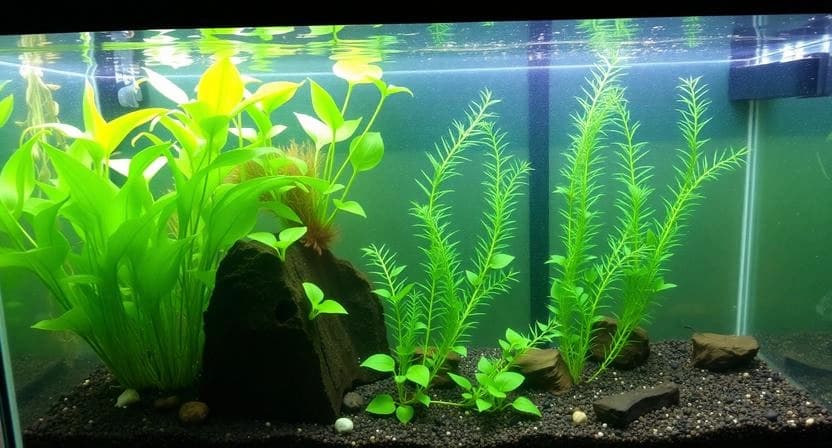
Weekly partial water changes removing 20-30% of tank volume dilute accumulated nitrates and other dissolved organics before they reach concentrations that support dense algae populations.
Phosphates enter aquariums through fish food, decaying organic matter, and sometimes tap water, providing another essential nutrient that algae require for growth.
Testing phosphate levels and keeping them below 0.5 ppm through water changes and reduced feeding prevents algae from accessing this critical growth component. When you control both nitrates and phosphates while managing light exposure, algae lose their ability to reproduce rapidly even in sunlit conditions.
Proper filtration removes particulate organic matter before it decomposes and releases nutrients into your water column. Mechanical, biological, and chemical filtration working together create multiple barriers against nutrient accumulation that would otherwise fuel algae growth.
Regular filter maintenance including media cleaning or replacement ensures optimal performance and prevents filters from becoming nutrient sources themselves when trapped organics begin decomposing.
Biological Control Methods for Algae Reduction
Introducing organisms that naturally consume algae as part of their diet creates a living control system that continuously works to keep growth in check without requiring constant intervention.
This biological approach to aquarium algae control works with natural ecosystem processes rather than fighting against them, producing sustainable long-term results.
The most effective biological control strategies employ multiple species that target different algae types and occupy various niches within your aquarium environment.
Balancing the number and types of algae-eating organisms with your tank size and existing population prevents overcrowding while ensuring adequate grazing pressure on developing algae.
Too few algae eaters allow growth to outpace consumption, while too many create competition for limited food sources and may lead to starvation.
Researching the specific needs, adult sizes, and compatibility of potential additions ensures they'll thrive in your conditions and peacefully coexist with current inhabitants.
Biological control methods work best as prevention and maintenance tools rather than solutions for existing severe algae infestations.
Once thick algae mats establish themselves, even dedicated algae eaters cannot consume growth fast enough to make noticeable impacts. Combining biological controls with manual removal during initial cleanup, then relying on grazing organisms to prevent regrowth, produces the most satisfying results in sunlight-exposed aquariums.
Adding Algae-Eating Fish and Invertebrates
Certain fish species evolved to graze continuously on algae as their primary food source, making them valuable additions to community tanks struggling with prevent algae aquarium light problems.
Otocinclus catfish, Siamese algae eaters, and various plecostomus species actively consume different algae types from glass, decorations, and plant leaves throughout the day. Selecting species appropriate for your tank size and water parameters ensures they remain healthy while providing algae control benefits.
Freshwater shrimp including Amano shrimp and Cherry shrimp consume algae and organic debris while adding interesting behavior and appearance to your aquarium.
These invertebrates access tight spaces between decorations and plants where fish cannot reach, providing more thorough coverage of all tank surfaces. Shrimp populations can grow naturally in established tanks, potentially increasing their algae control impact over time without adding more fish.
Snail species like Nerite snails and Mystery snails graze constantly on algae without reproducing out of control in freshwater conditions like some pest snail varieties.
These mollusks consume algae from glass, rocks, and decorations while producing minimal waste that could contribute to nutrient loading. Their slow, methodical grazing complements the feeding patterns of fish and shrimp, creating comprehensive coverage across all surfaces and algae types.
Introducing Live Plants as Nutrient Competitors
Fast-growing live plants compete directly with algae for available nutrients in your water column, essentially starving algae by consuming nitrates and phosphates before these compounds can fuel unwanted growth.
Species like Hornwort, Water Sprite, and Amazon Sword rapidly uptake nutrients while tolerating the varied light conditions present in sunlight aquarium environments. Dense plant growth creates shade that further limits light available to algae on lower surfaces and substrate.
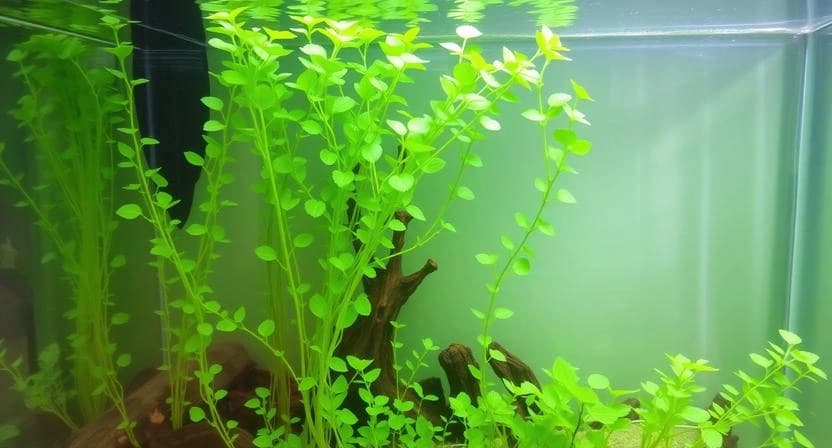
Floating plants provide the dual benefits of nutrient consumption and natural light diffusion, blocking some sunlight from penetrating deeper into your aquarium.
Frogbit, Water Lettuce, and Salvinia species spread quickly across water surfaces while their roots dangle into the water column absorbing nutrients.
The shade created by floating plant coverage dramatically reduces algae growth on decorations and substrate below while allowing enough light through for mid-level and background plants to thrive.
Establishing healthy plant growth in new aquariums takes several weeks as roots develop and plants acclimate to your water conditions and lighting.
During this establishment period, plants consume fewer nutrients and provide less algae competition than mature specimens, potentially allowing temporary algae growth. Patience through this initial phase pays off as plants reach full growth potential and begin effectively limiting nutrients available for algae exploitation.
Beneficial Bacteria and Their Role
Beneficial bacteria colonizing filter media, substrate, and surfaces throughout your aquarium process ammonia and nitrite into less toxic nitrate while competing with algae for attachment sites.
These microscopic organisms form the foundation of biological filtration that keeps water chemistry stable and suitable for fish health. Maintaining robust bacterial populations through proper filter maintenance and avoiding antibacterial medications preserves this critical component of your tank's algae resistance.
Seeding new aquariums with beneficial bacteria from established tanks or commercial products accelerates the maturation process and reduces the vulnerable period when algae easily outcompete undeveloped bacterial colonies.
Mature filter media transferred from healthy tanks introduces diverse bacterial strains adapted to aquarium conditions, giving your system a head start toward stability. This biological boost helps plants and bacteria establish dominance over algae from the beginning rather than allowing algae to colonize bare surfaces first.
The balance between aerobic and anaerobic bacteria in different areas of your aquarium affects nutrient processing and availability for algae consumption.
Well-oxygenated areas support aerobic bacteria that efficiently process organic waste, while deeper substrate layers with limited oxygen flow harbor anaerobic bacteria that perform different chemical transformations. Understanding and maintaining appropriate conditions for both bacterial types optimizes overall nutrient processing and minimizes excess nutrients available for algae growth.
Nutrient Management in Direct Sunlight Conditions
Careful control of nutrient inputs through feeding practices and source water selection prevents the excess nutrients that algae exploit in combination with abundant sunlight.
Fish food represents the primary nutrient source entering closed aquarium systems, with each feeding adding proteins, fats, and minerals that eventually break down into algae fuel.
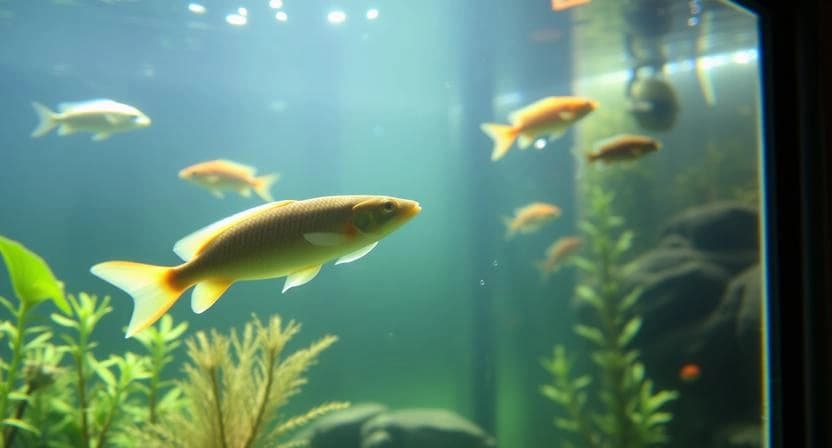
Feeding only what your fish consume within 2-3 minutes once or twice daily prevents uneaten food from decomposing and releasing nutrients into the water column.
High-quality fish foods formulated with appropriate protein levels and minimal fillers produce less waste and fewer excess nutrients compared to low-grade alternatives.
Fish digest premium foods more completely, excreting smaller volumes of waste that contribute less to overall nutrient loading. While premium foods cost more upfront, the reduced algae problems and improved fish health often justify the additional expense in sunlight-exposed aquariums.
Testing your tap water for nitrates and phosphates before using it for water changes reveals whether your source water contributes to nutrient problems.
Some municipal water supplies contain significant nitrates from agricultural runoff or phosphates from treatment processes, essentially adding algae fertilizer with every water change. If testing reveals elevated nutrients in tap water, using reverse osmosis or deionized water remineralized to appropriate hardness eliminates this hidden nutrient source.
Avoiding overstocking keeps total waste production within your filtration system's processing capacity and prevents nutrient accumulation that supports algae growth.
Larger fish and greater numbers produce more waste that must be processed by beneficial bacteria and diluted through water changes. In sunlit aquariums where algae already have abundant light energy, maintaining conservative stocking levels reduces the nutrient side of the equation that would otherwise trigger blooms.
Regular Cleaning and Maintenance Routines to Prevent Algae Buildup
Establishing consistent cleaning schedules removes algae before populations expand to problematic levels while maintaining overall aquarium health and appearance.
Weekly maintenance sessions lasting 30-60 minutes keep your tank in optimal condition far more effectively than sporadic deep cleanings when problems become severe. These regular intervals prevent algae from gaining the foothold necessary to overwhelm biological controls and water quality management efforts.
Gently scraping visible algae from glass using aquarium-safe algae pads or magnetic cleaners during weekly maintenance removes growth before it matures and releases spores throughout your tank.
Even small patches of algae allowed to remain will reproduce and spread, so thorough removal of visible growth prevents future problems. Rinsing cleaning tools in hot water after use prevents transferring algae from one tank to another if you maintain multiple aquariums.
Vacuuming substrate during partial water changes removes settled organic debris that would otherwise decompose and release nutrients into the water column.
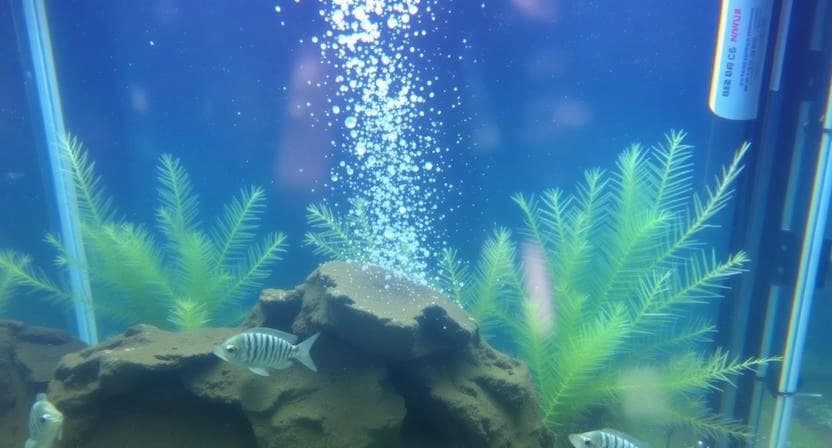
Siphoning around decorations, under plants, and in corners where waste accumulates prevents nutrient buildup in areas where water circulation might be reduced. This mechanical removal of organics complements biological filtration by reducing the total waste load that bacteria must process.
Inspecting and cleaning filter intake tubes, impellers, and outflow nozzles monthly ensures optimal water circulation that prevents dead spots where algae thrive.
Reduced flow from clogged components creates stagnant areas with poor oxygen levels and nutrient accumulation, perfect for certain algae types. Maintaining peak filter performance supports all other algae control measures by ensuring consistent water movement and filtration throughout your aquarium.
Successfully managing algae in direct sunlight aquariums requires commitment to multiple interconnected strategies rather than searching for a single magic solution.
The combination of intelligent tank placement, careful light management, excellent water quality, biological controls, and regular maintenance creates an ecosystem where algae struggle to gain advantages despite abundant sunlight.
Each element reinforces the others, building a comprehensive defense that keeps your aquarium clear and healthy.
Your specific situation will determine which strategies deserve the most attention and which prove most effective for your particular challenges.
Some aquariums respond primarily to reduced light exposure, while others require more focus on nutrient management or biological controls.
Observing your tank's response to implemented changes and adjusting your approach accordingly leads to customized solutions that work for your unique conditions and constraints.
The knowledge and habits you develop while addressing sunlight-related algae problems will serve you well throughout your fishkeeping journey, creating a foundation for success with increasingly complex and rewarding aquarium projects.
Remember that even experienced aquarists deal with occasional algae challenges, making patience and persistence valuable qualities as you refine your aquarium management skills.