
How to Spot Small Aquarium Problems Before They Get Expensive

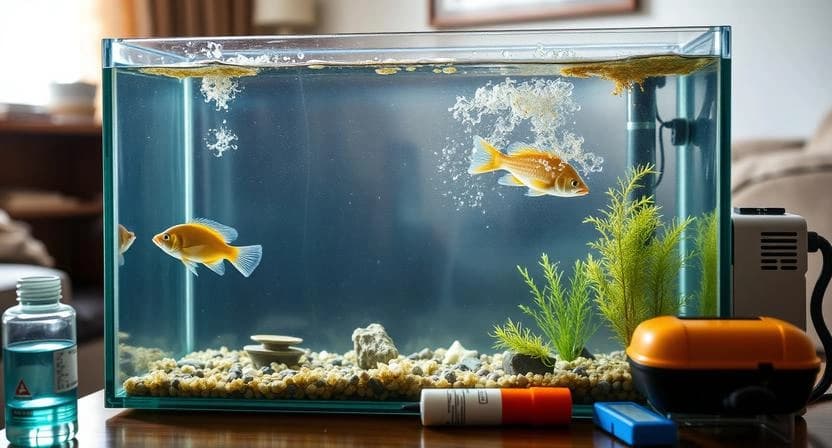
Aquarium problems often start small but can quickly escalate into costly disasters if ignored. You can spot them early by regularly monitoring water parameters, observing fish behavior, and checking equipment function.
Consistent daily and weekly checks allow you to address minor issues before they lead to fish loss or expensive replacements.
Many aquarium owners overlook subtle changes, assuming everything is fine until fish start dying or the tank clouds over.
Early detection saves money on treatments, new livestock, and potential tank resets. Small investments in observation time pay off significantly.
Understanding the most common categories of aquarium problems helps you know what to look for.
These typically fall into water quality problems, fish health concerns, equipment failures, and algae overgrowth.
Understanding Common Aquarium Problems
You encounter various aquarium problems in any setup, but recognizing their patterns makes prevention easier. Most issues stem from imbalances that build gradually rather than appearing overnight.
Water quality problems rank among the top culprits, often triggering a cascade of other troubles. Poor parameters stress fish, weaken their immune systems, and invite pathogens. Equipment malfunctions can exacerbate these quickly.
Fish tank issues related to behavior or appearance provide the first visible clues. Fish act as living indicators of tank health, showing distress long before tests reveal numbers off the charts.
Algae and plant problems, while sometimes cosmetic, signal underlying imbalances in light, nutrients, or filtration. Addressing them early prevents them from overwhelming the system.
Why Early Detection Matters
You benefit immensely from catching problems in their initial stages. Minor adjustments at this point often resolve issues without medication or major interventions.
Early action preserves your biological filtration, which takes weeks to establish if disrupted. Losing beneficial bacteria means restarting the nitrogen cycle, a process both time-consuming and risky.
Your fish experience less stress when problems are nipped in the bud. Chronic low-level issues weaken them over time, making them susceptible to diseases that prove harder to treat.
The Financial Impact of Neglected Issues
You face escalating costs as small problems grow. A simple water quality lapse might require only a partial change initially, but later demand full treatments and livestock replacement.
Equipment failures caught late often mean buying new units urgently. Filters or heaters that run inefficiently for months also drive up electricity bills unnoticed.
Lost fish represent not just emotional attachment but monetary investment. Rare or large specimens can cost hundreds to replace, plus the ripple effect on tank stability.
Overview of Typical Problem Categories
You generally group aquarium problems into four main areas for easier monitoring. Water chemistry forms the base layer affecting everything else.
Biological issues involve fish and invertebrate health directly. Parasites, bacteria, and fungi exploit weakened hosts.
Mechanical problems cover equipment and flow. Pumps, heaters, and lights all have failure modes you can spot visually.
Environmental factors include algae, substrate condition, and decoration safety. These often reflect broader imbalances.
Monitoring Water Quality: The Foundation of a Healthy Tank
You maintain stable water quality as the single most important factor in preventing aquarium problems. Parameters shift daily through fish waste, uneaten food, and plant activity.
Regular testing reveals trends before they become critical. Many water quality problems develop slowly, giving you ample warning if you check consistently.
Visual cues in the water itself offer immediate feedback. Clarity, color, and odor all indicate underlying conditions worth investigating further.
Temperature stability ties directly to water quality. Fluctuations stress fish and alter chemical processes in the tank.
Key Parameters to Test Regularly
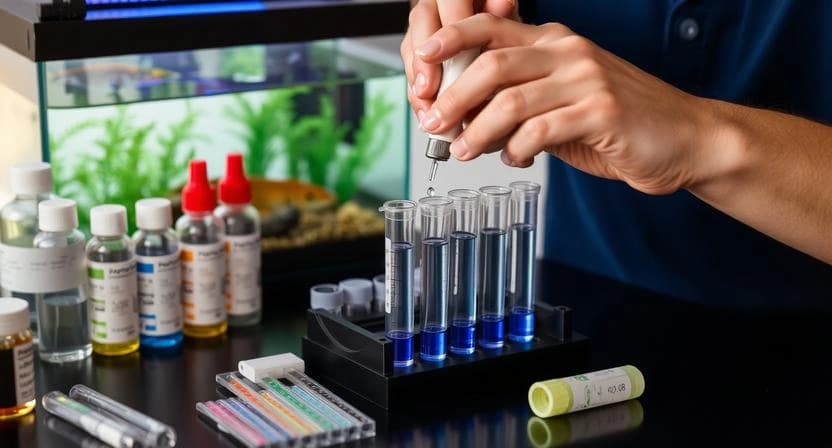
You prioritize ammonia, nitrite, nitrate, pH, and hardness in routine checks. Ammonia and nitrite should always read zero in an established tank.
Nitrate accumulates over time and requires water changes for control. Levels above 40 ppm often signal overfeeding or inadequate maintenance.
pH stability matters more than the exact number for most community fish. Sudden swings prove more dangerous than a consistently off-value.
General and carbonate hardness influence pH buffering. Soft water tanks swing more easily without intervention.
Signs of Cloudy or Discolored Water
You notice bacterial blooms causing milky water, often after overfeeding or filter issues. Green water points to algae suspended throughout the column.
Yellow or brown tint usually indicates tannins from driftwood or dissolved organics. While not always harmful, it can lower pH over time.
Foam on the surface suggests protein buildup from uneaten food or poor filtration. Addressing the source prevents more serious water quality problems.
Detecting Ammonia, Nitrite, and Nitrate Spikes Early
You catch spikes fastest through regular testing schedules. Weekly checks for nitrates and monthly for others work for stable tanks.
Fish gasping at the surface often signals ammonia issues before tests confirm. Lethargy and red gills accompany toxic levels.
New tank syndrome presents classic spike patterns. Monitoring during cycling prevents losses once fish are added.
pH Imbalances and Temperature Fluctuations
You observe pH crashes after large water changes with mismatched parameters. Always test tap water and adjust gradually.
Temperature swings stress tropical fish dramatically. A stuck heater can cook inhabitants overnight if not noticed.
Digital thermometers with alarms provide peace of mind. Place them opposite the heater for accurate overall readings.
Spotting Early Aquarium Problems in Fish Behavior
You learn your fish's normal patterns quickly in a stable tank. Deviations from routine often signal emerging aquarium problems first.
Behavioral changes precede visible symptoms in many diseases. Paying attention during feeding time reveals issues early.
Stress manifests in various ways depending on species. Some hide constantly, while others become aggressive unexpectedly.
Combining behavior observation with water testing paints a complete picture. One without the other misses half the story.
Changes in Swimming Patterns
You notice erratic swimming or difficulty maintaining position indicating swim bladder issues. Overfeeding or poor water quality commonly cause these.
Bottom-sitting in mid-water fish suggests problems. Active species suddenly resting constantly need investigation.
Circling or spiraling motions point to neurological or balance problems. Parasites and toxins both produce these symptoms.
Reduced Appetite or Lethargy
You see healthy fish rush to food immediately. Hesitation or complete disinterest signals internal issues developing.
Lethargy often accompanies appetite loss. Fish hanging motionless require immediate parameter checks.
Chronic low appetite leads to wasting. Early intervention through better conditions or treatment prevents permanent damage.
Gasping at the Surface or Hiding Excessively
You interpret surface gasping as potential oxygen or toxin issues. Warm water holds less dissolved oxygen naturally.
Constant hiding in normally bold fish indicates stress. Predators, poor parameters, or illness all drive this behavior.
New fish may hide initially during acclimation. Persistent hiding beyond a week warrants closer examination.
Scratching or Flashing Against Objects
You recognize flashing as fish rubbing against substrate or decorations. External parasites like ich cause intense itching.
Flashing also occurs with poor water quality irritating gills and skin. Ammonia burns trigger similar responses.
Occasional flashing proves normal, especially after water changes. Frequent or frantic flashing demands action.
Recognizing Visual Signs of Aquarium Problems
You conduct visual inspections under good lighting to catch early signs of fish disease. Many conditions present characteristic appearances identifiable with practice.
Skin and fin conditions offer clear indicators. Changes in color, texture, or integrity signal problems needing attention.
Eye and body abnormalities develop in various diseases. Recognizing patterns helps narrow causes quickly.
Combining visual signs with behavioral changes strengthens diagnosis. Single symptoms can have multiple causes.
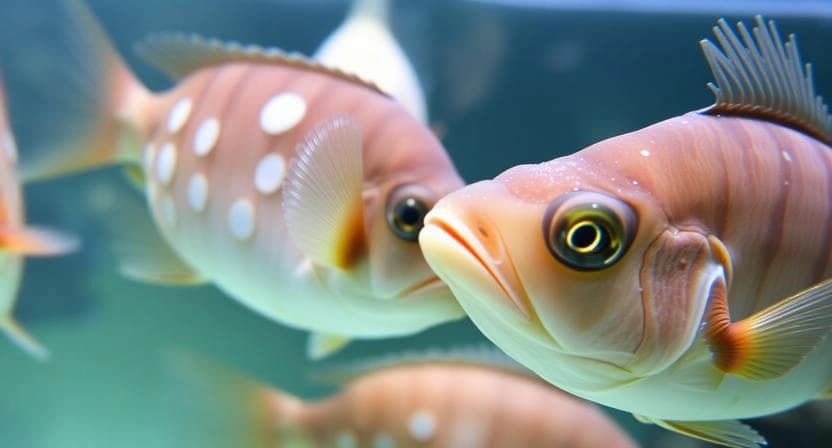
White Spots Indicating Ich
You spot ich as small white grains resembling salt sprinkled on fish. This parasite affects most species under stress.
Early treatment proves highly effective. Waiting until heavy infestation reduces success rates dramatically.
Temperature manipulation helps control ich in fish-only tanks. Medication works faster but requires carbon removal.
Tattered Fins or Fin Rot
You see fin rot starting at edges with reddening and fraying. Bacterial infection exploits nips or poor water quality.
Mild cases heal with improved conditions alone. Advanced rot destroys fins completely if untreated.
Quarantine affected fish to prevent spread. Clean water and stress reduction support natural recovery.
Cloudy Eyes or Swollen Body (Popeye and Dropsy)
You recognize popeye as bulging eyes, often one-sided initially. Injury or infection causes fluid buildup.
Dropsy presents pinecone scales from internal fluid retention. Bacterial infection proves hard to treat at this stage.
Both conditions signal advanced problems. Prevention through consistent maintenance offers better outcomes.
Unusual Growths, Spots, or Slime Coat Changes
You notice excess mucus production as stress response. Thick slime coat appears dull or patchy.
Fungal growths look cotton-like on wounds or dead tissue. Secondary infections follow primary issues often.
Lymphocystis causes cauliflower growths, usually benign. Viral origin means supportive care only.
Fungal Infections and Cotton-Like Patches
You treat fungal infections promptly to prevent spread. Clean water and salt help mild cases.
True fungal infections exploit existing damage. Addressing underlying causes prevents recurrence.
Medications target fungi specifically. Broad-spectrum treatments work for mixed infections.
Equipment and Algae Issues That Can Escalate Quickly
You rely on equipment functioning properly to maintain stable conditions. Failures create rapid aquarium problems if undetected.
Algae growth reflects light and nutrient balance. Controlled levels benefit the tank, but explosions indicate issues.
Regular equipment checks prevent surprises. Visual and auditory cues reveal problems early.
Combining mechanical vigilance with biological monitoring covers all bases.
Filter Malfunctions and Reduced Flow
You notice reduced output through weaker surface agitation. Media clogging restricts flow gradually.
Noise changes signal impeller issues. Grinding or rattling requires immediate attention.
Backup filtration prevents disasters during failures. Air-driven sponges work well as emergency options.
Heater Problems and Temperature Instability
You verify heater function with independent thermometers. Stuck-on units overheat dangerously.
Failed heaters drop temperatures overnight in cold rooms. Tropical fish suffer quickly from chills.
Controller units with alarms add safety. Separate temperature monitoring catches discrepancies.
Excessive Algae Growth Signals
You interpret algae types for clues about imbalances. Green spot algae suggests stable but nutrient-rich conditions.
Hair algae thrives on excess iron and light. Brown diatoms dominate in new or low-light tanks.
Balancing light duration and spectrum controls growth. Nutrient export through plants competes effectively.
Substrate and Decoration Buildup
You vacuum gravel regularly to remove detritus. Anaerobic pockets develop in deep substrate without disturbance.
Decorations harbor waste in crevices. Scrubbing during water changes prevents accumulation.
Live plants root better in clean substrate. Mulm buildup indicates overfeeding generally.
Daily and Weekly Observation Routines
You establish consistent routines to catch developing aquarium problems reliably. Brief daily checks compound into thorough monitoring.
Feeding time offers perfect observation opportunities. All fish should appear and eat normally.
Weekly sessions allow deeper inspections and maintenance. Combining tasks streamlines the process.
Logging observations tracks subtle changes over time. Patterns emerge that single checks miss.
What to Check During Feeding Time
You count fish and assess activity levels daily. Missing individuals require immediate search.
Appetite and competition reveal hierarchy changes. Sudden aggression or withdrawal signals stress.
Color and posture during feeding show health clearly. Faded colors or clamped fins stand out.
Visual Inspections of the Entire Tank
You examine glass for algae patterns weekly. Uneven growth indicates flow dead spots.
Check equipment placement and function. Tubes should remain secure and clear.
Plant health reflects overall conditions. Melting or yellowing leaves suggest nutrient issues.
Using a Maintenance Log for Tracking Changes
You record test results and observations systematically. Digital apps or simple notebooks work well.
Trends become obvious with data history. Gradual nitrate rise prompts action before critical levels.
Photos document visual changes effectively. Before-and-after comparisons clarify progress.
Essential Tools for Early Detection
You equip yourself with reliable tools for accurate monitoring. Quality instruments prevent false readings that mislead.
Test kits vary in accuracy and ease. Liquid reagents generally outperform strips for precision.
Magnification helps spot tiny issues. Small parasites become visible with help.
Digital options reduce human error. Continuous monitors provide real-time data.
Recommended Water Test Kits
You choose master kits covering multiple parameters. API freshwater master remains popular for reliability.
Specialty tests for phosphate and iron help advanced troubleshooting. Algae control benefits particularly.
Digital readers eliminate color matching subjectivity. Investment pays off in consistency.
Magnifying Tools for Close Inspection
You use handheld magnifiers or phone macro lenses effectively. Close examination reveals early ich cysts.
Otoscope-style tools allow deeper views. Skin conditions become clearer under magnification.
Lighting matters for inspection. Bright white light reveals details natural tank lighting hides.
Thermometers and Monitoring Devices
You place multiple thermometers for verification. Digital probes offer precision placement.
Controller units manage heaters automatically. Temperature alarms alert to failures promptly.
Smart monitors send phone notifications. Peace of mind justifies cost for serious hobbyists.
Preventive Maintenance to Avoid Costly Repairs
You prevent most aquarium problems through consistent maintenance rather than crisis management. Regular partial water changes export waste effectively.
Feeding discipline controls nutrient input. Overfeeding causes more issues than almost any other factor.
Quarantine protocols protect established tanks. New arrivals carry risks always.
Proactive equipment replacement beats emergency purchases. Planned upgrades spread costs.
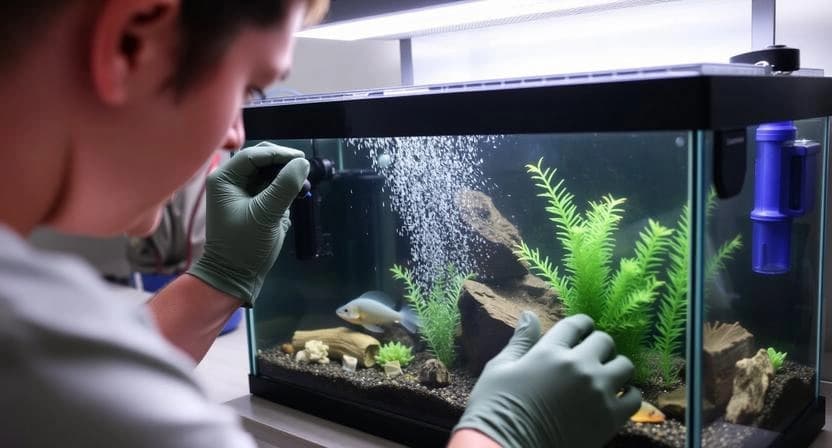
Regular Water Changes and Cleaning Schedule
You perform 20-30% weekly changes in most setups. Consistency matters more than volume sometimes.
Match temperature and parameters during changes. Shock stresses fish unnecessarily.
Clean glass and equipment during sessions. Combined tasks save time overall.
Proper Feeding Habits
You feed only what fish consume in minutes. Multiple small meals work better than large ones.
Variety prevents nutritional deficiencies. Quality foods support health and color.
Fast days weekly help digestion. Many species benefit from occasional breaks.
Quarantine Procedures for New Fish
You maintain separate quarantine tanks ideally. Four weeks minimum observation catches most issues.
Treat prophylactically if desired. Salt or medications prevent introduction of pathogens.
Gradual acclimation reduces stress. Drip methods match parameters precisely.
Upgrading Equipment Proactively
You replace heaters and filters on schedule. Lifespan varies but planning prevents failures.
Oversized equipment handles load better. Future-proofing accommodates expansion.
Energy-efficient options reduce long-term costs. LED lighting and DC pumps save significantly.
When to Act: Next Steps After Spotting a Problem
You assess severity when discovering aquarium problems. Minor issues often resolve with parameter corrections alone.
Isolate affected fish when possible. Hospital tanks allow targeted treatment without cycling disruption.
Research symptoms thoroughly before medicating. Misdiagnosis wastes time and stresses fish further.
Monitor progress daily during treatment. Adjust course if no improvement within expected timeframe.
Building habits around observation and maintenance transforms aquarium keeping from stressful to rewarding. You develop an intuitive sense for your tank's normal state over time, making deviations obvious immediately.
The investment in daily attention returns dividends in healthy fish, clear water, and avoided expenses.
Share your own early detection stories in the comments or pass this guide along to fellow aquarists who might benefit from these practical strategies.