
How to Tell If Your Aquarium Filter Is Working Properly

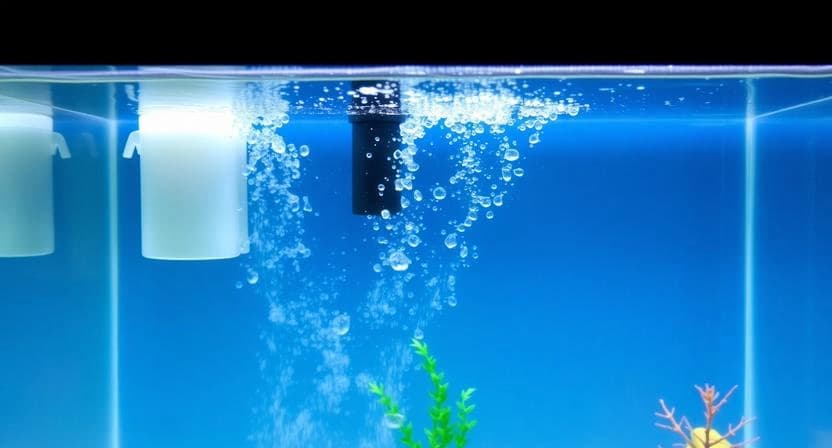
Knowing how to tell if your aquarium filter is working properly is essential for maintaining a healthy environment for your fish.
Your aquarium filter is working properly when you observe consistent water flow, clear water, healthy fish behavior, and stable water parameters with no ammonia or nitrite present.
This indicates that all three filtration processes are functioning as they should.
A properly functioning filter serves as the life support system for your aquarium, removing waste, toxins, and debris while promoting beneficial bacterial growth.
Without effective filtration, harmful compounds can accumulate quickly, putting your fish at serious risk. Regular monitoring helps you catch problems early before they impact your aquatic pets.
Understanding the signs of proper filter operation allows you to prevent major issues and maintain optimal water conditions. By learning what to look for, you can ensure your filtration system continues to protect your fish and keep your aquarium thriving.
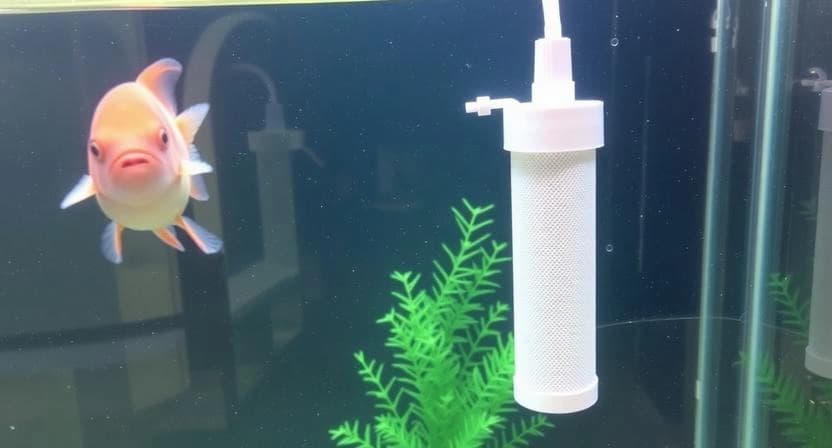
This guide will walk you through the key indicators that confirm your filter is doing its job effectively.
Understanding How Aquarium Filters Work
Aquarium filters perform three distinct types of filtration, each playing a critical role in water quality maintenance. These processes work together continuously to create a safe, clean environment for your fish.
Recognizing how each filtration type functions helps you identify when something goes wrong and needs attention.
The effectiveness of your filter depends on all three filtration processes operating in harmony. When one aspect fails, the entire system becomes compromised, and water quality can deteriorate rapidly.
Each filtration type targets different contaminants and serves a unique purpose in keeping your aquarium healthy.
Modern aquarium filters combine these three processes within a single unit, though the emphasis on each type may vary depending on filter design.
Understanding these processes gives you insight into what your filter should accomplish and how to recognize proper operation. Let's examine each filtration type in detail.
Mechanical Filtration Process
Mechanical filtration physically traps solid particles and debris as water passes through filter media. This process removes visible waste like uneaten food, fish waste, and decaying plant matter before it breaks down into harmful compounds.
The mechanical stage typically uses sponges, filter pads, or floss to capture particles of various sizes.
You can observe mechanical filtration working when you see debris accumulating in your filter media. Clean filter media appears light in color, while media doing its job will darken as it collects waste.
This visible accumulation confirms that water is flowing through the filter and particles are being removed effectively from your aquarium.
Biological Filtration Process
Biological filtration relies on beneficial bacteria that colonize your filter media and convert toxic ammonia into less harmful substances.
These bacteria consume ammonia produced by fish waste and leftover food, transforming it first into nitrite, then into nitrate through the nitrogen cycle. This process is invisible but absolutely critical for fish survival.
A mature biological filter contains billions of beneficial bacteria working constantly to detoxify your water. These bacteria require oxygen-rich water flow and time to establish stable colonies.
When biological filtration functions properly, ammonia and nitrite readings remain at zero, indicating the bacteria are effectively processing waste as quickly as it's produced.
Chemical Filtration Process
Chemical filtration uses specialized media like activated carbon or resins to remove dissolved impurities, medications, odors, and discoloration from your water.
This filtration type targets contaminants that mechanical and biological processes cannot address. Chemical media absorbs molecules through a process that pulls dissolved substances out of the water.
Chemical filtration enhances water clarity and removes compounds that affect smell and color. While not always essential, it improves overall water quality and helps maintain crystal-clear conditions.
This process works silently in the background, with results visible in improved water transparency and the absence of any unpleasant odors.
Visual Signs Your Aquarium Filter Working Correctly
Visual inspection provides immediate clues about your filter's operational status. Your eyes can detect many problems before they become serious, making regular visual checks an essential maintenance habit.
Taking a few moments to observe your filter and aquarium reveals valuable information about filtration performance.
Healthy aquarium filters display consistent, predictable patterns that you'll recognize once you know what to look for. These visual indicators change when problems develop, giving you early warning signs.
Training yourself to spot these visual cues helps you intervene before water quality suffers significantly.
Combining multiple visual observations gives you a comprehensive picture of filter health. No single visual sign tells the complete story, but together they reveal whether your filtration system is performing as expected. Regular visual monitoring takes only minutes but can prevent hours of troubleshooting later.
Water Flow and Movement Patterns
A properly functioning filter creates visible water movement at the surface and throughout your aquarium. You should see gentle ripples where filtered water returns to the tank, indicating adequate flow rate.
Strong, consistent output flow from your filter outlet confirms the pump is working and water is circulating through the media.
Reduced water flow often signals clogged media or a failing pump. If the output stream weakens noticeably or water barely trickles from the return, your filter needs immediate attention.
Proper flow patterns prevent dead spots where waste accumulates and ensure all tank areas receive filtered water.
Filter Media Condition and Appearance
Your filter media should appear dirty but not completely clogged when you inspect it during maintenance. Light to moderate discoloration indicates the media is trapping particles effectively.
Extremely dark, compressed media that appears solid suggests it's overdue for cleaning and may be restricting water flow.
Filter media that looks brand new after several weeks of operation might indicate water is bypassing the media rather than flowing through it.
This situation prevents proper filtration despite the pump running normally. Check that media sits correctly in the filter chamber with no gaps allowing water to flow around it.
Debris Collection in Filter Components
Visible accumulation of debris in filter chambers and intake strainers demonstrates mechanical filtration is working. You should find particles collected on filter pads and see some buildup in the pre-filter sponge if your system includes one. This debris collection proves water is passing through the filtration media as designed.
Empty or spotless filter components in an established aquarium may indicate insufficient flow or water bypassing the media entirely. Your filter should show signs of collecting waste within days of operation in a stocked tank.
Regular debris accumulation that requires periodic cleaning confirms your filter is actively removing particles from the water column.
Water Quality Indicators of Proper Filtration
Water quality changes reflect how well your filter processes waste and maintains safe conditions. These indicators provide direct evidence of filtration effectiveness beyond what you can see. Monitoring water quality gives you objective data about filter performance rather than relying solely on visual assessment.

Poor water quality almost always traces back to inadequate filtration, whether from equipment failure or insufficient capacity for your tank size.
Clear connections exist between filtration performance and measurable water conditions. Understanding these relationships helps you diagnose problems and verify your filter is keeping up with your aquarium's biological load.
Consistent water quality over time demonstrates stable, effective filtration. Sudden changes in these indicators often precede visible problems, giving you time to investigate and correct issues.
Pay attention to these water quality signs as your primary confirmation that filtration is working properly.
Water Clarity and Transparency
Crystal-clear water indicates your filter is removing suspended particles and preventing bacterial blooms. You should be able to see clearly from front to back of your aquarium with minimal haziness.
Proper mechanical and biological filtration work together to maintain this transparency by removing particles and controlling organic waste buildup.
Cloudy or murky water often signals filter problems, though new tank syndrome can also cause temporary cloudiness. Green water indicates algae growth from excess nutrients, suggesting your filter cannot keep pace with waste production.
Persistent cloudiness despite a running filter requires investigation of flow rate, media condition, and biological filtration capacity.
Absence of Foul Odors
A healthy, well-filtered aquarium produces a mild, earthy smell or no odor at all. Your tank should never smell like rotten eggs, sewage, or strong fish.
Foul odors indicate organic waste is decomposing faster than your filter can process it, or anaerobic bacteria are developing in areas without oxygen.
Pleasant or neutral smells confirm your biological filtration is handling waste effectively. When beneficial bacteria process ammonia properly, they prevent the accumulation of decaying organic matter that causes bad smells.
A filter working at full capacity prevents odor-causing compounds from building up to noticeable levels.
Surface Film and Scum Levels
A clean water surface with minimal film indicates good water circulation and filtration. Your filter's output should create enough surface agitation to prevent oily films from forming.
Proper flow breaks up surface tension and helps gas exchange, while also preventing accumulation of protein films and dust.
Persistent surface scum suggests inadequate flow or biological overload. This film consists of organic compounds, proteins, and oils that healthy filtration should process before they concentrate at the surface.
Excessive surface buildup indicates your filter may not be circulating water effectively or handling your tank's waste load.
Testing Water Parameters to Verify Filter Performance
Water parameter testing provides the most reliable confirmation that your aquarium filter is working properly. Test kits measure invisible compounds that directly indicate filtration effectiveness.
These objective measurements reveal filter performance that you cannot assess through observation alone.
Ammonia and nitrite are the most critical parameters for evaluating biological filtration. A functioning filter maintains these at zero in an established aquarium, as beneficial bacteria convert them rapidly.
Any detectable ammonia or nitrite reading signals biological filtration failure or insufficient capacity for your fish load.
Nitrate readings help you assess overall filtration efficiency and maintenance schedule adequacy. While some nitrate is normal, levels above 40 ppm suggest your filter and water change routine need adjustment.
Regular testing creates a baseline for your aquarium, making it easy to spot changes that indicate developing problems.
Test your water weekly during the first month after setup, then biweekly once your filter is established. Consistent zero readings for ammonia and nitrite confirm your biological filtration is mature and working properly.
Keep a log of test results to track trends and identify issues before they become emergencies.
Common Signs of Filter Malfunction
Recognizing filter malfunction signs helps you address problems before fish health suffers. Many symptoms appear gradually, making them easy to miss without regular monitoring.
Knowing these warning signs allows you to distinguish normal variations from genuine problems requiring immediate action.
Reduced output flow is among the earliest malfunction indicators. When water trickles rather than flows from your filter return, suspect clogged media or impeller problems.
This reduction in flow decreases filtration effectiveness across all three filtration types simultaneously.
Unusual noises like grinding, rattling, or excessive humming indicate mechanical issues with the pump or impeller. A properly functioning filter runs quietly with only a gentle hum.
These sounds suggest worn parts, debris in the impeller housing, or insufficient water in the filter chamber.
Cloudy water despite a running filter signals the biological filtration is overwhelmed or the mechanical stage is bypassing. Green-tinted water indicates your filter cannot control nutrient levels, allowing algae to bloom.
Brown or yellow water suggests chemical filtration media is exhausted or organic compounds are accumulating faster than the filter can process them.
Fish gasping at the surface often indicates oxygen depletion from inadequate water circulation. A working filter should create enough surface agitation to facilitate oxygen exchange.
This behavior combined with other symptoms strongly suggests filter failure requiring immediate intervention.
Physical Checks to Perform on Your Filter
Regular physical inspections help you catch developing problems before they cause filter failure. These hands-on checks take only a few minutes but provide valuable information about component condition.
Establishing a routine inspection schedule helps you maintain your filter proactively rather than reactively.
Start by unplugging your filter and examining the intake tube for blockages. Debris, snails, or plant matter can obstruct the intake and reduce flow dramatically.
Clear any visible obstructions and ensure the intake strainer moves water freely when you restart the filter.

Inspect the impeller and impeller housing for damage, wear, or debris. Remove the impeller according to your filter's instructions and clean any buildup from the shaft and magnets.
Check for cracks, chips, or worn impeller blades that reduce pumping efficiency. A damaged impeller requires replacement to restore proper flow.
Examine filter media for excessive compression or channeling where water creates paths around rather than through the media. Replace media that appears degraded, falling apart, or no longer maintaining its shape. Check that all media sits properly in filter chambers without gaps that allow bypass.
Verify all seals, O-rings, and gaskets remain pliable and intact. Hardened or cracked seals can cause leaks or allow unfiltered water to bypass the media.
Lubricate O-rings with silicone grease if recommended by your filter manufacturer. Replace any damaged seals before they fail completely.
Listening for Unusual Sounds from Your Filter
Your filter's sound signature reveals important information about its operational status. A healthy filter produces consistent, predictable sounds that become familiar with regular use. Changes in these sounds often indicate developing problems before other symptoms appear.
Normal filter operation generates a steady, quiet hum from the motor and gentle water sounds from the output. These sounds should remain constant in volume and tone during operation.
Some filters produce occasional gurgling as air escapes from the media, which is normal during initial startup or after cleaning.
Grinding or scraping sounds indicate impeller problems such as debris lodged in the housing or worn impeller components. This noise damages the impeller further if ignored, eventually leading to complete pump failure.
Stop the filter immediately if you hear grinding and inspect the impeller assembly.
Rattling suggests loose components or parts that have come unseated. Check that the motor housing sits securely and all clips or latches are properly engaged.
Vibration against the tank or cabinet can also cause rattling, which you can eliminate by repositioning the filter or adding cushioning material.
Excessive gurgling or splashing indicates low water levels in the filter or air entering the system. Top off your aquarium to ensure adequate water level for proper filter operation. Persistent air intrusion may indicate a cracked intake tube or loose connection that needs sealing.
Monitoring Fish Behavior as a Filter Health Indicator
Your fish provide valuable feedback about water quality and filtration effectiveness through their behavior. Healthy fish in well-filtered water display active, normal behavior patterns.
Changes in fish activity often precede measurable water quality problems, serving as an early warning system.
Fish swimming actively throughout the tank with fins fully extended indicates good water quality and adequate filtration. Normal feeding behavior and bright coloration also suggest your filter is maintaining safe conditions.
These positive indicators confirm your filtration system is meeting your aquarium's needs.
Lethargy, clamped fins, or fish hiding more than usual can signal deteriorating water quality from filter problems. When multiple fish show these symptoms simultaneously, suspect filtration issues rather than disease. Test water parameters immediately and inspect your filter for malfunctions.
Fish congregating near the filter output or gasping at the surface suggests oxygen depletion from inadequate water movement. A properly working filter should create enough circulation to maintain dissolved oxygen throughout the tank.
This behavior requires immediate attention as it indicates your fish are struggling to breathe.
Rapid breathing, scratching against objects, or excessive mucus production often indicates ammonia or nitrite poisoning from biological filtration failure.
These symptoms appear when toxic compounds accumulate faster than your filter can process them. Emergency water changes and filter troubleshooting become necessary when you observe these danger signs.
Conclusion and Final Recommendations
Maintaining a properly functioning aquarium filter requires attention to multiple indicators working together to confirm system health. By regularly checking water flow, testing parameters, performing physical inspections, and monitoring fish behavior, you create a comprehensive picture of filtration performance. These practices help you catch problems early when they're easiest to correct.
Remember that your filter serves as your aquarium's life support system, making its proper operation essential for fish survival. Establish a routine that includes weekly visual checks, biweekly water testing, and monthly physical inspections.
This proactive approach prevents most filtration problems and ensures your aquatic environment remains stable and healthy.
Take time to learn your filter's normal operation patterns so you can quickly identify changes that signal developing issues. Every aquarium is unique, and experience with your specific setup teaches you what normal looks and sounds like.
Trust your observations and act promptly when something seems wrong, as early intervention prevents minor issues from becoming major crises.