
Low Cost Aquarium Maintenance Routines for Busy Hobbyists

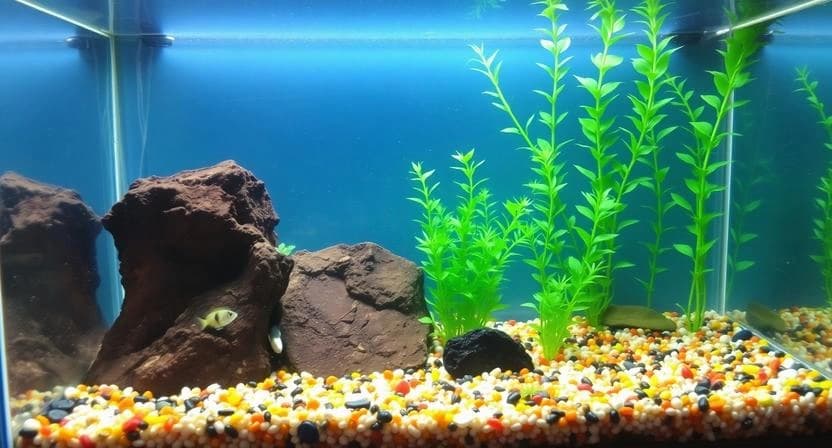
Low cost aquarium maintenance is entirely possible, even for hobbyists with packed schedules. You can keep your fish healthy and your tank sparkling by focusing on simple, consistent routines using items you already have at home. With a little planning and basic knowledge, you’ll spend less time and money while enjoying a thriving aquarium.
Maintaining an aquarium doesn’t have to feel overwhelming. Many people assume it requires expensive equipment or hours of work each week, but that’s not the case. Smart, low cost aquarium maintenance relies on prevention, observation, and natural balance rather than constant intervention.
By building affordable fish tank upkeep into your daily and weekly habits, you’ll create a stable environment for your fish. These inexpensive aquarium routines save time in the long run because a well-maintained tank develops fewer problems that demand urgent fixes.
Understanding the Basics of Aquarium Care
Aquarium care forms the foundation of a healthy tank. When you understand how water quality, fish behavior, and tank balance interact, you make better decisions with less effort. Consistent care keeps small issues from becoming big ones.
Regular attention helps you spot changes early. Fish thrive in stable conditions, and small daily observations prevent the need for major corrections later. This approach fits perfectly into budget aquarium care.
Why Consistent Maintenance Matters
Consistent maintenance keeps water parameters stable. Fish and plants depend on steady temperature, pH, and cleanliness to stay healthy. Even small fluctuations can stress aquatic life over time.
You’ll notice that tanks with regular care look clearer and smell fresher. Algae growth slows, and waste doesn’t build up as quickly. These visible improvements show that your efforts pay off.
A steady routine also trains you to recognize normal versus unusual conditions. Over time, you develop an instinct for what your tank needs, making low cost aquarium maintenance feel intuitive rather than forced.
The Impact of Neglect on Fish Health
Neglect often leads to cloudy water and unhappy fish. Excess waste produces harmful compounds that affect gills and fins. Stressed fish may hide more or stop eating normally.
Poor water quality can encourage unwanted algae or snail outbreaks. These issues take far more time to correct than preventing them through simple habits. Staying proactive protects both your fish and your enjoyment of the hobby.
Fish in neglected tanks sometimes show faded colors or labored breathing. Addressing problems early keeps your aquarium vibrant and your pets active. Regular care supports their natural behaviors.
Balancing Time and Effort Effectively
Balancing time means focusing on high-impact tasks. Quick daily checks take only minutes but catch issues fast. Weekly tasks handle deeper cleaning without overwhelming your schedule.
You can spread monthly tasks across several days if needed. This flexible approach fits busy lifestyles while maintaining affordable fish tank upkeep. Small, regular efforts add up to big results.
Planning your routine around your existing habits helps. Pair tank checks with morning coffee or evening relaxation. These associations make maintenance feel like part of your day rather than an extra chore.
Establishing a Low Cost Aquarium Maintenance Routine
Establishing a routine gives structure to your care efforts. A clear schedule removes guesswork and ensures nothing important gets missed. You’ll feel more confident knowing exactly what to do and when.
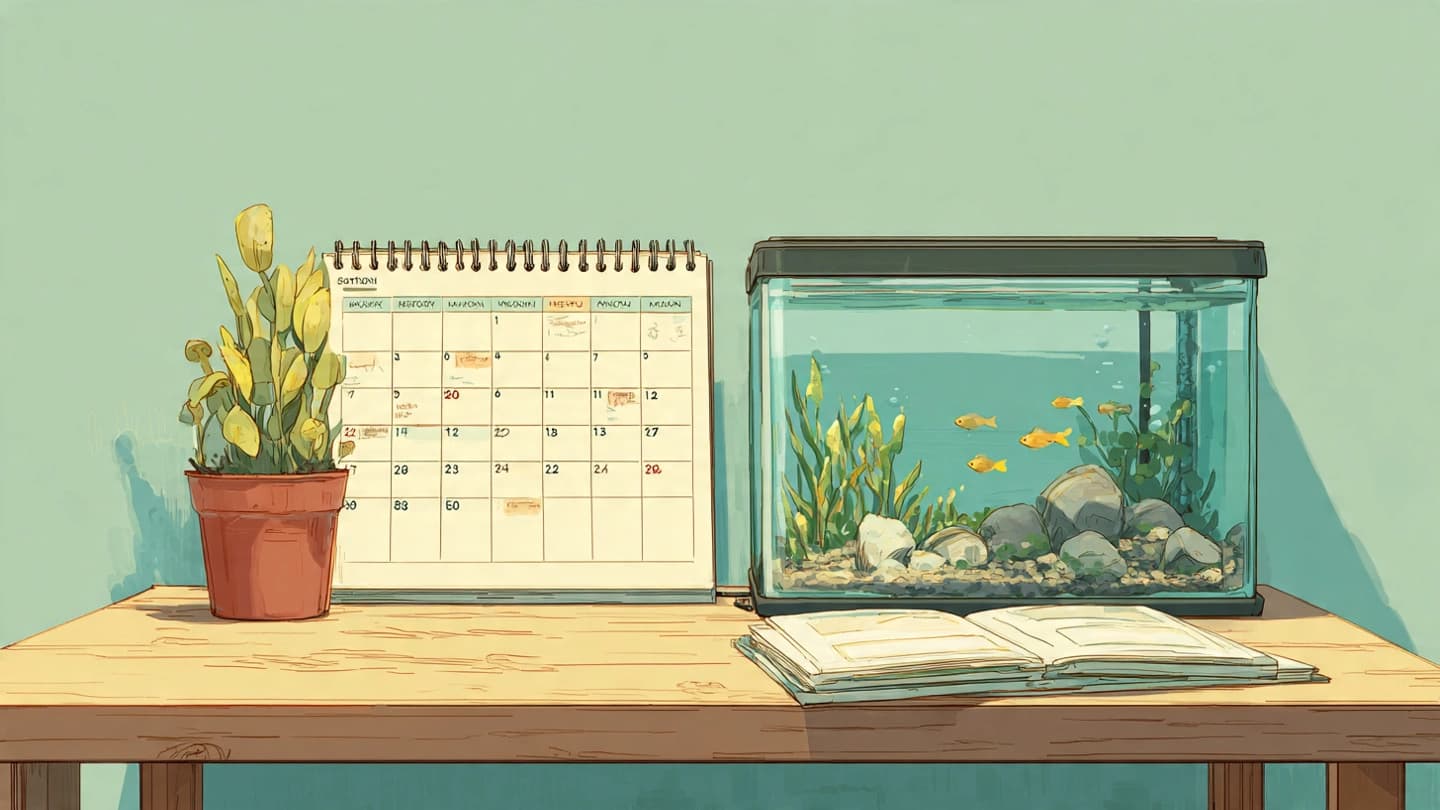
Breaking tasks into daily, weekly, and monthly categories works well for most hobbyists. This system matches the natural cycles of waste buildup and water changes. It supports inexpensive aquarium routines without complexity.
Daily Quick Checks
Daily checks involve a brief visual scan of the tank. Look at your fish for normal swimming and eating patterns. Notice if anyone hides excessively or breathes rapidly at the surface.
Check the water level and top it off with treated water if needed. Observe the temperature reading to confirm it stays within your fish’s preferred range. These observations take less than two minutes.
Watch for debris on the surface or substrate. Note any unusual odors near the tank. Quick daily attention forms the backbone of effective low cost aquarium maintenance.
Weekly Essential Tasks
Weekly tasks usually include partial water changes. Removing and replacing a portion of the water dilutes waste products naturally. This single step improves clarity and freshness significantly.
Clean the glass with a soft cloth or sponge during this time. Remove visible algae spots gently without scratching the surface. Check filter media for debris buildup.
Test water parameters if you have basic kits available. Record your findings to track trends over time. These weekly steps keep conditions stable between deeper monthly sessions.
Monthly Deep Maintenance Steps
Monthly maintenance covers equipment and hard-to-reach areas. Rinse filter components in tank water to preserve beneficial bacteria. Avoid soap or tap water during cleaning.
Vacuum the substrate to remove hidden waste. Trim live plants if present and remove dead leaves. Inspect heater, filter, and lights for proper function.
Rearrange decorations carefully to prevent trapped debris pockets. These thorough steps refresh the entire system and support long-term budget aquarium care.
Essential Tools You Likely Already Own
Many effective tools already exist in your home. Using familiar items reduces the need for special purchases. You’ll discover creative ways to handle common tasks safely and efficiently.
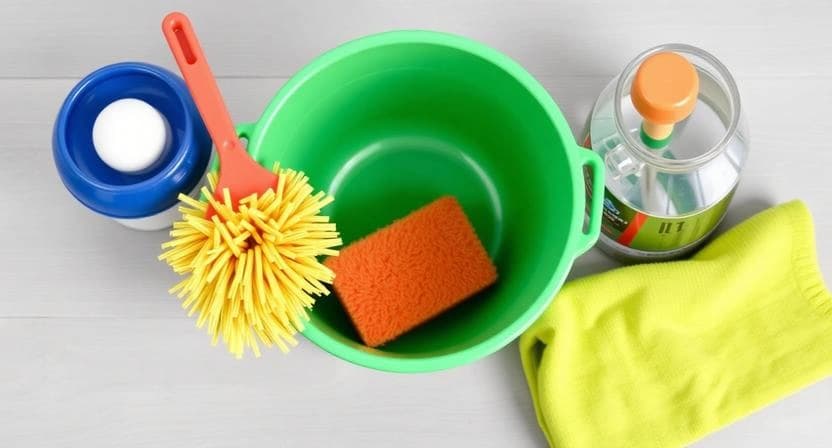
Household objects often work as well as dedicated equipment. With careful handling, they perform cleaning and maintenance duties reliably. This approach keeps costs low while getting the job done.
Household Items for Cleaning
Soft microfiber cloths clean glass surfaces gently. Old toothbrushes reach small crevices around decorations. Plastic straws or turkey basters siphon debris from tight spots.
Clean buckets reserved for aquarium use hold water during changes. Measuring cups help portion water accurately. These everyday items support practical low cost aquarium maintenance.
Reusing Everyday Objects Safely
Reuse items only after thorough cleaning and dedication to tank use. Designate specific tools to avoid cross-contamination. Plastic containers make excellent quarantine holders when needed.
Cardboard tubes from paper towels create temporary hiding spots during cleaning. Rubber bands secure airline tubing neatly. Creative reuse enhances affordable fish tank upkeep.
Basic Supplies for Effective Care
A dedicated gravel vacuum can be made from plastic tubing and a bottle. Algae scrapers come from plastic cards or credit card-sized pieces. Nets form from fabric and wire hangers if needed.
Timers from household lamps control lighting schedules automatically. These simple adaptations provide reliable function without added expense.
Water Management on a Budget
Water management centers on quality and consistency. Clean, properly treated water forms the heart of any healthy aquarium. You control most factors through careful habits.
Regular partial water changes remain the most effective method. They remove dissolved waste while refreshing essential minerals. This practice costs nothing beyond basic water treatment.
Condition tap water by letting it sit overnight or using simple dechlorinators made from natural methods when possible. Match new water temperature to tank water closely. Careful preparation prevents stress to fish.
Monitor evaporation and top off with fresh water regularly. Use rainwater collected safely if available in your area. These techniques support sustainable, low cost aquarium maintenance practices.
Feeding Strategies for Healthy Fish
Feeding plays a key role in water quality. Overfeeding creates excess waste that strains your system. You’ll maintain clearer water by offering appropriate amounts.
Feed only what your fish consume within a few minutes. Remove uneaten food promptly to prevent decay. Variety in diet supports better health and color.
Alternate between different appropriate foods throughout the week. Fast your fish one day weekly to allow digestive rest. These strategies reduce waste while keeping fish active.
Observe feeding response as part of daily checks. Healthy fish approach food eagerly. Adjust amounts based on their behavior and seasonal changes.
Natural Ways to Keep Your Aquarium Clean
Natural cleaning relies on biological balance. Live plants absorb waste compounds and produce oxygen. They compete with algae for nutrients effectively.
Beneficial bacteria colonies break down waste naturally. Established filters and substrate host these helpful organisms. Patience allows them to develop fully.
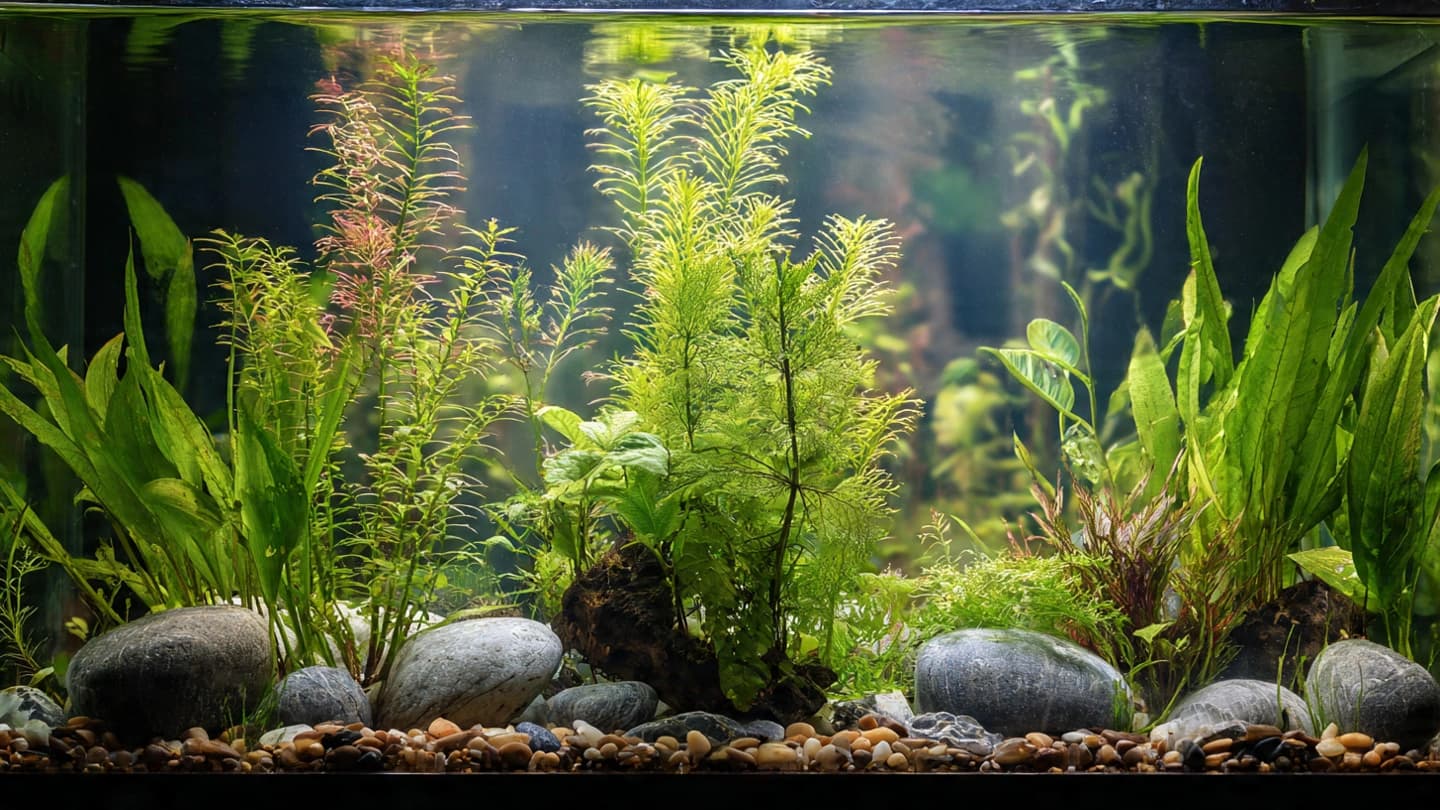
Snails and certain shrimp species consume algae and detritus. They work continuously with minimal intervention. Choose compatible species for your setup carefully.
Fast-growing plants shade the tank and limit algae growth. Floating plants reduce light penetration particularly well. Natural methods enhance long-term cleanliness.
Monitoring and Preventing Common Issues
Monitoring involves regular observation and simple testing. You’ll catch small changes before they grow serious. Early action prevents most common aquarium problems.
Watch for cloudy water, unusual algae patterns, or behavioral shifts. Address root causes rather than symptoms alone. Understanding patterns helps you respond appropriately.
Maintain consistent temperature and lighting schedules. Avoid sudden changes in feeding or stocking levels. Stability prevents stress-related issues effectively.
Keep records of maintenance dates and observations. Patterns emerge over time that guide future care. This knowledge builds confidence in your routine.
Time-Saving Tips for Busy Schedules
Time-saving starts with efficient routines. Combine tasks when possible to reduce separate sessions. Prepare materials in advance for smoother execution.
Place your aquarium in a convenient location for quick checks. Good lighting nearby makes observations easier during passing moments. Integration into daily paths saves minutes that add up.
Use timers for lights and consider automatic feeders if away often. Set reminders on your phone for weekly and monthly tasks. These small adjustments fit care into full schedules.
Batch water preparation when time allows. Store treated water safely for quick use later. Planning ahead streamlines the process significantly.
Low cost aquarium maintenance rewards consistent, thoughtful care over intensive efforts. By building simple habits and using natural balance, you create a stable home for your fish with minimal time and expense.
Your thriving tank becomes a relaxing focal point rather than another chore. Enjoy watching your underwater world flourish through these practical, affordable approaches.