
Low Cost Ways to Improve Aquarium Oxygen Levels

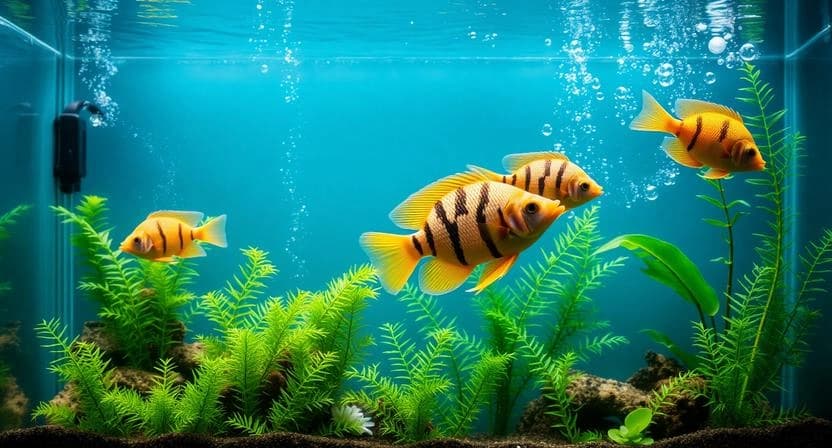
Aquarium oxygen is essential for the health and survival of your fish, as they rely on dissolved oxygen in the water to breathe through their gills.
You can improve aquarium oxygen levels affordably through methods like increasing surface agitation, performing regular water changes, controlling temperature, adding live plants, and avoiding overstocking.
These low-cost strategies enhance gas exchange, refresh oxygen-rich water, and reduce oxygen demand without expensive equipment.
Many aquarium owners overlook how quickly oxygen can deplete in a closed system, especially with factors like warm water, overcrowding, or poor circulation contributing to the problem.
When levels drop, fish show clear distress, but simple adjustments often restore balance fast. By focusing on natural and budget-friendly techniques, you maintain a thriving environment while keeping expenses minimal.
Implementing these changes not only supports your fish but also promotes overall tank stability. The following sections explore practical steps you can take right away, ensuring your aquarium remains oxygenated and healthy.
Understanding Aquarium Oxygen and Why It Matters
Dissolved oxygen serves as the life-sustaining element in your aquarium, allowing fish to extract what they need directly from the water. Without adequate levels, metabolic processes slow, stress builds, and survival becomes threatened. You notice this most acutely in warmer tanks where oxygen solubility decreases naturally.
Fish health depends heavily on consistent access to this resource. When aquarium oxygen falls short, energy for swimming, feeding, and growth diminishes, leading to weakened immune responses and higher disease susceptibility. Monitoring subtle shifts prevents bigger issues down the line.
Common misconceptions include assuming filters alone suffice for oxygenation. While they help with circulation, true improvement often requires targeted surface movement or other enhancements. Understanding these dynamics empowers you to make informed, cost-effective decisions.
Regular observation of your setup reveals how environmental factors interplay with oxygen availability. From temperature fluctuations to biological load, each element influences the balance you aim to maintain.
The Role of Dissolved Oxygen in Fish Health
Adequate dissolved oxygen supports efficient respiration, enabling fish to process energy from food effectively. Low levels force compensatory behaviors like increased gill movement, which expends more energy and accelerates fatigue.
Healthy oxygen promotes vibrant colors, active behavior, and robust growth rates. When stable, it reduces stress hormones, helping fish resist parasites and infections more readily.
Inadequate supply manifests gradually at first, then dramatically if unaddressed. Prioritizing this parameter safeguards long-term well-being in your community tank.
Signs Your Aquarium Has Low Oxygen Levels
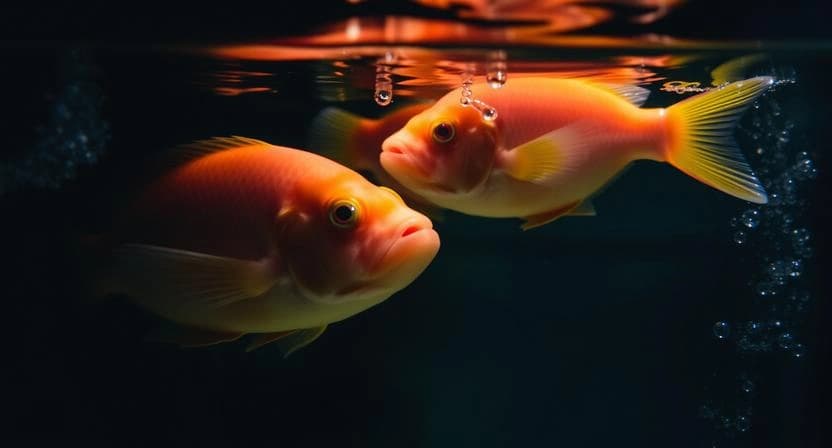
You spot early warnings when fish hover near the surface, gulping air sporadically. This gasping becomes more frequent as conditions worsen, with multiple individuals clustering at the top.
Labored breathing shows through rapid gill flares even when fish remain lower in the water column. Sluggish movement, reduced appetite, and clustering in one area further indicate distress.
In severe cases, fish lie listlessly on the bottom or dart erratically. Addressing these promptly with quick fixes prevents losses.
Common Causes of Poor Oxygenation
High temperatures reduce water's capacity to hold dissolved oxygen, a frequent issue during summer or with malfunctioning heaters. Overstocking increases biological demand while waste accumulation consumes available supply.
Stagnant conditions from poor circulation trap carbon dioxide and limit fresh exchange at the surface. Decaying matter or overgrown algae exacerbate depletion overnight when plants respire instead of photosynthesize.
How to Boost Aquarium Oxygen on a Budget
You achieve noticeable improvements without major investments by prioritizing techniques that maximize existing resources. Small tweaks in setup and routine often yield the biggest gains in aquarium oxygen.
Focus on enhancing natural processes like gas exchange at the surface while minimizing oxygen-consuming factors. These approaches prove reliable across various tank sizes and stocking levels.
Consistency in application ensures sustained benefits rather than temporary spikes. You build resilience against fluctuations through habitual low-cost practices.
Simple Adjustments You Can Make Today
Reposition equipment to direct flow toward the surface, creating ripples that facilitate oxygen entry. Adjust lighting schedules to support plant activity during daylight hours.
Reduce feeding amounts temporarily if overfeeding contributes to waste buildup. These immediate steps provide quick relief while you implement longer-term strategies.
Prioritizing Surface Agitation for Better Gas Exchange
Surface movement remains the cornerstone of effective oxygenation, allowing atmospheric oxygen to dissolve efficiently. Even modest agitation outperforms static conditions dramatically.
You create this through strategic filter placement or simple manual interventions. The goal centers on consistent disturbance without excessive splashing.
Why Low-Cost Methods Are Often the Most Effective
Budget-friendly options leverage physics and biology rather than relying on gadgets. They integrate seamlessly into daily maintenance, offering sustainable results.
Many prove more reliable long-term because they address root causes instead of masking symptoms. You gain control over your aquarium's environment affordably.
Increase Surface Agitation Without Expensive Equipment
Enhancing water movement at the top layer drives the primary mechanism for oxygen infusion. You accomplish this with creative repositioning and household adaptations.
These techniques require no additional purchases beyond what you likely already own. Results appear rapidly as exchange rates improve.
Consistency matters more than intensity; gentle, steady agitation suffices for most setups.
Reposition Your Filter Output for Maximum Ripple
Angle the filter return toward the surface to generate ripples across a wide area. This simple redirection boosts dissolution without extra power draw.
Experiment with heights and angles until you achieve visible but controlled movement. Avoid strong jets that disrupt substrate or stress inhabitants.
Create DIY Water Movement Techniques
Pour tank water from a height using a cup or pitcher during maintenance sessions. This introduces oxygenated fresh water while agitating the surface.
Manual stirring with a clean tool circulates layers temporarily. Perform these periodically for emergency boosts or routine support.
Use Household Items to Enhance Surface Disturbance
A small fan directed across the open top evaporates slightly while creating ripples from airflow. Position it safely to avoid water contact.
Floating objects or adjusted lids can influence natural currents subtly. These hacks complement other methods effectively.
Perform Regular Water Changes to Refresh Aquarium Oxygen
Fresh water inherently carries higher dissolved oxygen than aged tank water. Regular partial changes introduce this directly while diluting stressors.
You benefit from improved parameters overall, including reduced organics that consume oxygen. Schedule these as part of your routine.
How Large Water Changes Instantly Improve Oxygen Levels
A 30-50% exchange floods the system with aerated water, spiking levels immediately. Fish often respond positively within minutes.
Combine with agitation for compounded effects. This approach buys time to correct underlying issues.
Best Practices for Oxygen-Rich Water Changes
Use dechlorinated tap water matched to tank temperature. Aerate new water beforehand by letting it sit with vigorous stirring or pouring.
Add conditioner last and mix thoroughly. Avoid shocking inhabitants with parameter swings.
Frequency and Volume Recommendations
Aim for 20-30% weekly in most community tanks. Adjust based on bioload and observed needs.
Larger, less frequent changes suit lightly stocked setups. Monitor response to fine-tune your schedule.
Optimize Aquarium Oxygen with Strategic Temperature Control
Cooler water holds significantly more dissolved oxygen than warmer equivalents. You manage this affordably to support higher baseline levels.
Avoid extremes that stress species, focusing instead on safe reductions when needed.
Why Cooler Water Holds More Oxygen
Solubility increases as temperature drops, allowing greater saturation from the atmosphere. This natural property provides a passive boost.
Every degree matters, especially in densely populated or warm-climate tanks.
Safe Ways to Lower Temperature Affordably
Reduce heater settings gradually or turn off temporarily during cooler room periods. Use fans to promote evaporation without drastic changes.
Shade the tank from direct sun or heat sources. These prevent overheating without equipment costs.
Monitoring Temperature to Maintain Stable Oxygen
Track with a reliable thermometer to avoid fluctuations. Stable conditions prevent sudden drops in capacity.
Adjust seasonally as ambient temperatures vary.
Add Live Plants to Naturally Enhance Aquarium Oxygen
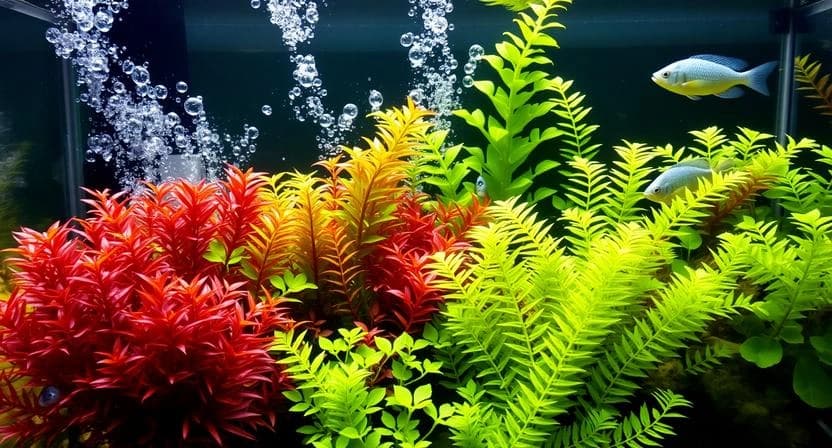
Plants produce oxygen through photosynthesis during lighted periods, supplementing fish needs. Low-maintenance varieties thrive without specialized care.
They absorb waste compounds, reducing oxygen demand from decomposition. Balance day-night cycles carefully.
Best Low-Maintenance Plants for Oxygen Production
Anubias, Java Fern, and Hornwort tolerate low light and minimal fertilization. They grow steadily while contributing to gas dynamics.
Anacharis and Vallisneria offer fast growth for quicker impact. Choose species suited to your lighting and stocking.
Daytime vs. Nighttime Oxygen Dynamics with Plants
Photosynthesis peaks under illumination, releasing oxygen abundantly. At night, respiration consumes it, so avoid heavy planting in low-circulation tanks.
Supplement with agitation during dark hours if needed. Most setups balance naturally.
Avoiding Common Plant-Related Oxygen Pitfalls
Prevent overgrowth that blocks surface exchange. Trim regularly and remove dead matter promptly.
Monitor for algae competition that reduces plant efficiency. Proper lighting supports positive contributions.
Choose Affordable Aeration Options for Better Aquarium Oxygen
Budget air pumps and accessories provide direct infusion when other methods fall short. They remain among the most reliable enhancements.
Select quiet, energy-efficient models for continuous use.
Budget-Friendly Air Stones and Their Benefits
Fine-pore stones create tiny bubbles that rise slowly, maximizing contact time. This promotes efficient dissolution.
Place strategically for even distribution. Clean periodically to maintain performance.
Sponge Filters as Dual-Purpose Oxygen Boosters
These combine biological filtration with gentle aeration. Air-driven movement supports beneficial bacteria while oxygenating.
Ideal for smaller or breeding tanks. Low noise makes them suitable for living spaces.
Low-Cost Air Pump Alternatives and Setups
USB-powered or small diaphragm pumps offer inexpensive operation. Pair with check valves for safety.
Position above water level to prevent back-siphoning. Simple setups deliver consistent results.
Avoid Overstocking to Maintain Healthy Aquarium Oxygen
Excessive fish numbers elevate demand beyond supply capacity. You prevent depletion by matching inhabitants to tank volume.
Calculate based on adult size and behavior.
Calculating Proper Stocking Levels for Your Tank
Use the inch-per-gallon guideline cautiously, factoring in filtration and plants. Monitor actual bioload through waste production.
Reduce if signs of stress appear despite other optimizations.
Effects of Overcrowding on Oxygen Availability
Increased respiration and waste accelerate consumption. Crowding amplifies competition for available resources.
Thinning populations restores equilibrium quickly.
Long-Term Benefits of Balanced Fish Populations
Stable stocking supports consistent parameters and reduces maintenance needs. Healthier fish exhibit natural behaviors longer.
Preventive approach minimizes emergencies.
Additional Low-Cost Tips to Stabilize Aquarium Oxygen
Ongoing habits reinforce gains from primary methods. You integrate these seamlessly into care routines.
Small actions compound over time for robust stability.
Regular Maintenance Habits That Prevent Drops
Clean filters gently to preserve flow without disrupting bacteria. Remove uneaten food and debris promptly.
Test parameters periodically to catch trends early.
Cleaning Techniques to Support Oxygen Levels
Vacuum substrate during water changes to eliminate anaerobic zones. Wipe algae from surfaces to improve light penetration.
Avoid over-cleaning that removes beneficial films.
When to Consider Emergency Oxygen Boosts
In acute situations, combine multiple quick fixes like pouring, agitation, and partial changes. Monitor recovery closely.
Prepare backup plans for power outages or heatwaves.
Maintaining optimal aquarium oxygen levels transforms your tank into a resilient, vibrant ecosystem where fish thrive with minimal intervention. These affordable strategies empower you to address challenges proactively, fostering long-term success without constant expense.
Experiment with combinations that suit your specific setup, and observe how your fish respond with renewed energy and color. Your efforts create not just survival, but genuine flourishing.
Share this guide with fellow aquarists facing similar issues, or drop a comment below about which low-cost method worked best in your tank, your experience could help someone else keep their fish happy and healthy!